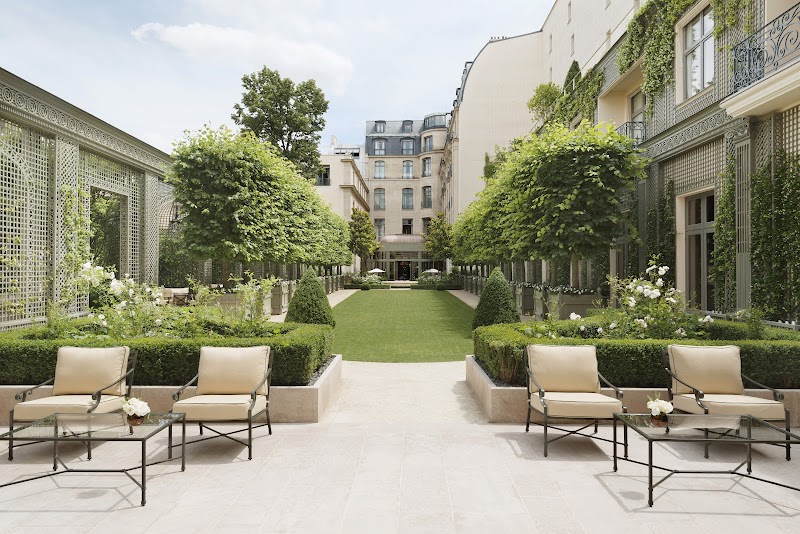
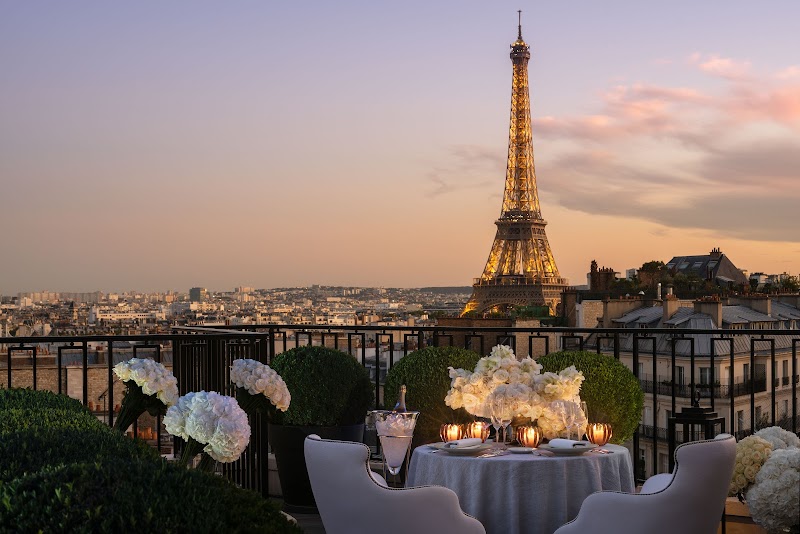
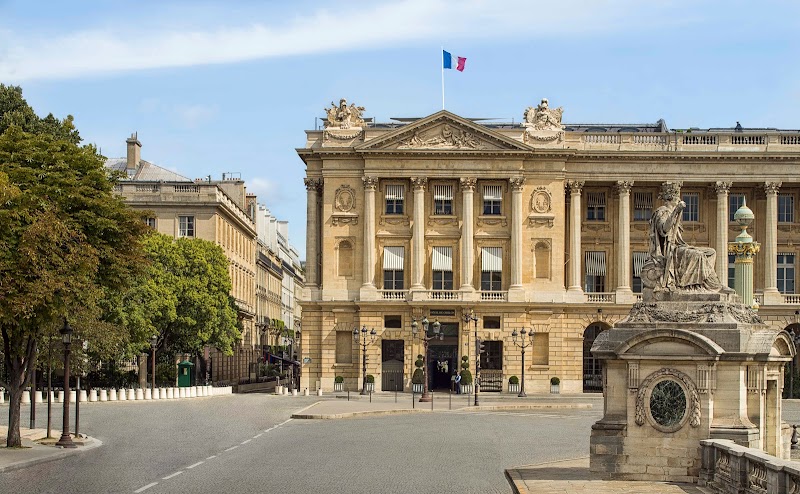
The Parisian palace hotel — officially designated 'Palace' by the French government under criteria that include extraordinary architectural heritage, world-class dining, and spa facilities of museum quality — represents the highest formal tier in global hospitality. The Ritz, the George V, the Bristol, the Meurice, the Crillon: these names carry a weight that newer luxury properties have been trying to match for decades. Each has a distinct personality: the Ritz is theatrical and aspirational; the George V is warm and florally magnificent; the Bristol is properly aristocratic; the Meurice is the intellectuals' choice; the Crillon is the grand dame reborn.
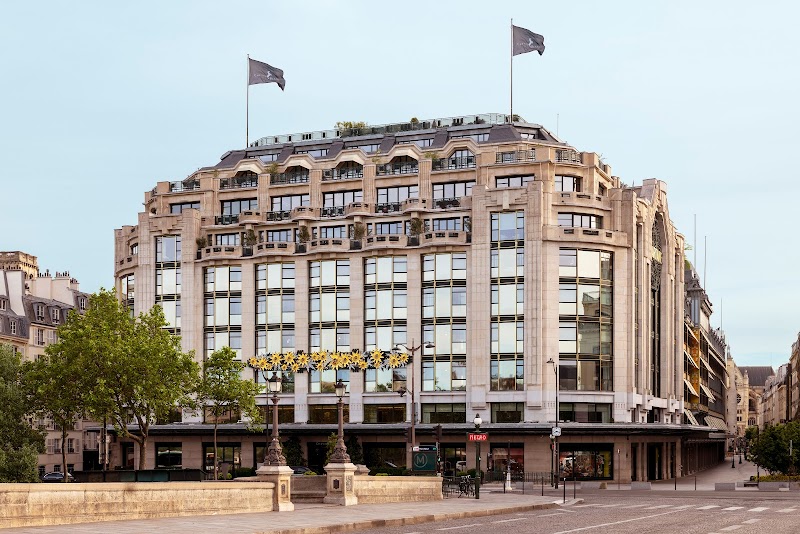
Beyond the official palaces, Paris has a constellation of five-star properties that offer palaces-adjacent luxury with marginally less formality — a quality that some guests prefer. The Bulgari Hotel Paris (opened 2021) brought Italian design rigour to the Golden Triangle; the Cheval Blanc Paris reimagined luxury at La Samaritaine with LVMH's characteristically meticulous taste; the Hôtel de Crillon's reimagination by Aline Asmar d'Amman set a new standard for historical renovation.
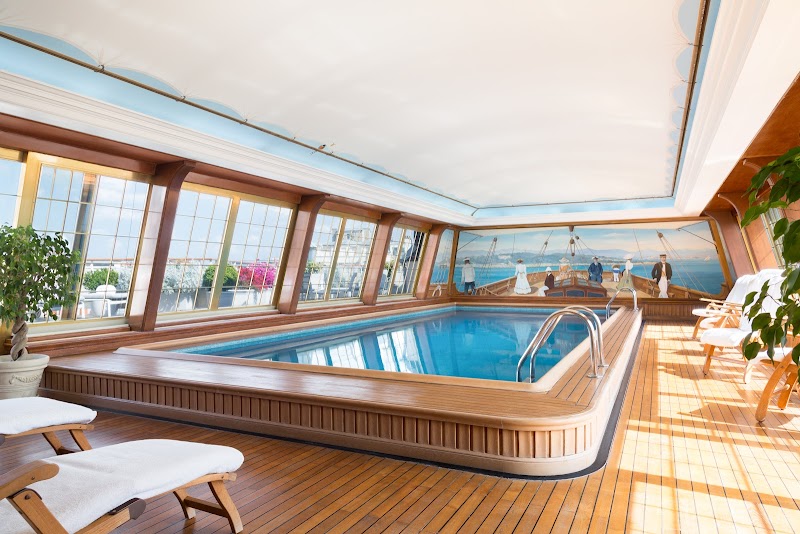
The private clubs and residences attached to Paris's top luxury hotels have become significant draws in themselves. The Ritz's Hemingway Bar serves cocktails that are themselves a form of cultural history; Le Cinq at the George V routinely tops best-restaurant lists; the spa at the Bristol — Nuxe-branded, pool-equipped — is among the city's finest day retreats for non-guests who book in advance.
For those who find the grand hotels too visible — too much of a stage — Paris offers quieter alternatives in the form of apartment-hotel hybrids and converted private mansions: the Hôtel San Régis near the Champs-Élysées, the Lancaster on the same boulevard, or the Hôtel de la Tamise in the 1st. These properties are no less luxurious; they simply prefer their luxury to be known to those who already know.