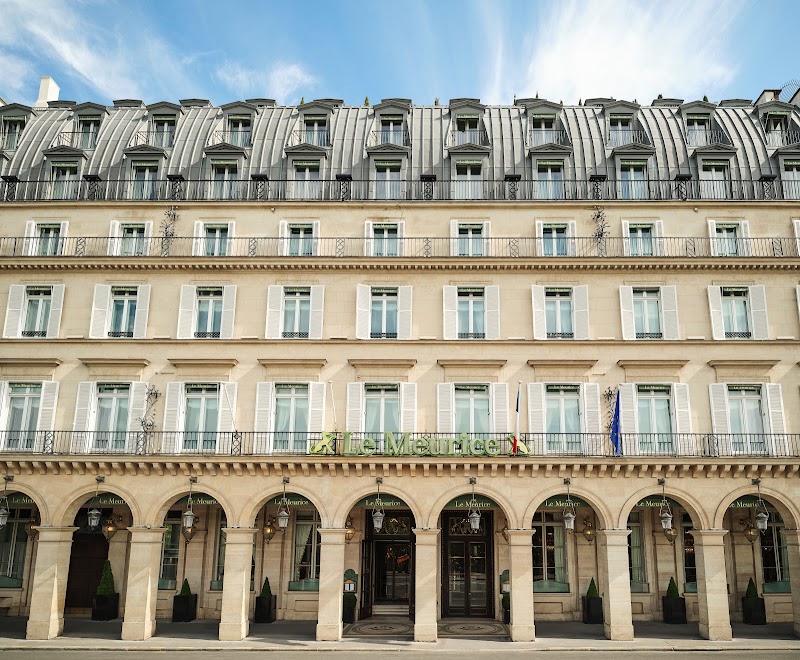
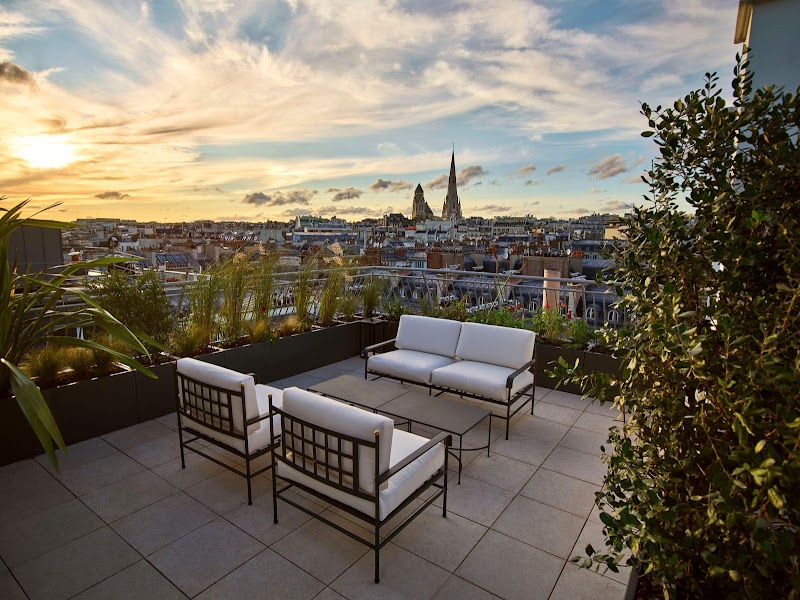
The 1st arrondissement is Paris at its most deliberately grand. The wide boulevards and formal gardens west of the Louvre (the Tuileries, the Concorde) and the more intimate streets and passages to the north and east create a neighbourhood of remarkable variety. The Rue de Rivoli — one of Paris's great commercial streets — runs the full length, with the arcaded northern side housing bookshops, tourist stores, and one of Paris's great department stores (Palais Royal location of Louvre mall beneath). The Palais-Royal garden, sandwiched between the gallery and the garden, remains one of the most surprising and serene spots in a city full of them.
For museum access, no neighbourhood beats this. The Louvre is the obvious anchor, but the Orangerie (with Monet's Water Lilies) and the Jeu de Paume (photography and contemporary art) are both in the Tuileries, a 10-minute walk from most neighbourhood hotels. The Centre Pompidou is about 15 minutes east on foot, passing through the Marais; the Musée d'Orsay is 25 minutes west along the Seine — a walk that takes you past the finest riverside architecture in Europe.
Hotel options near the Louvre range from the genuinely palatial (Le Meurice, Hôtel de Vendôme on the Place Vendôme) to the carefully renovated historic properties that occupy Haussmann buildings on the quieter streets behind the Rue de Rivoli. Price premiums are significant — this is prime real estate by any metric — but the combination of location and cultural access makes the outlay feel justified.
The practical case for staying here is strong: lines 1, 7, and 14 of the Métro all stop at the Louvre itself or within 5 minutes' walk, making the rest of the city easily accessible. The Vélib' bike network connects you to Saint-Germain in 15 minutes and Montmartre in 25.