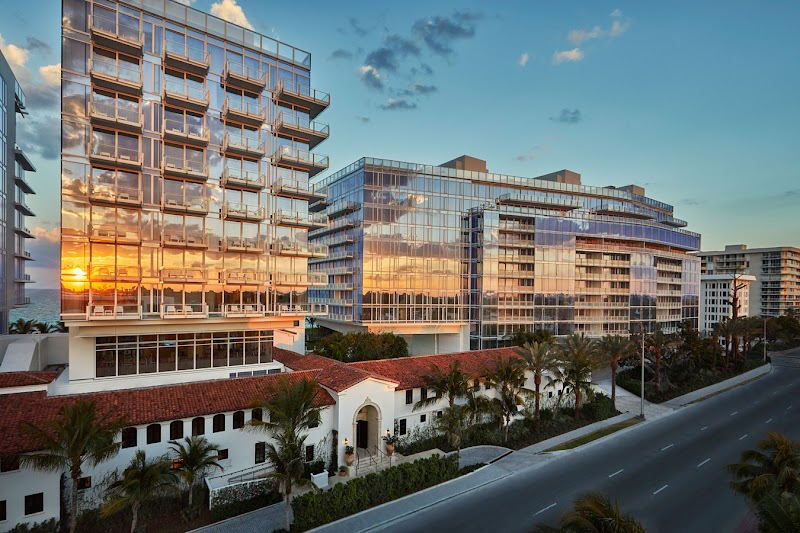
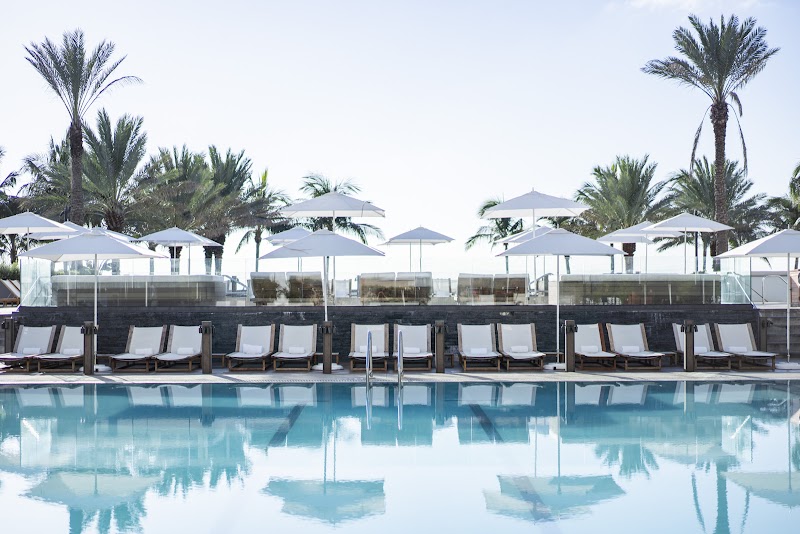
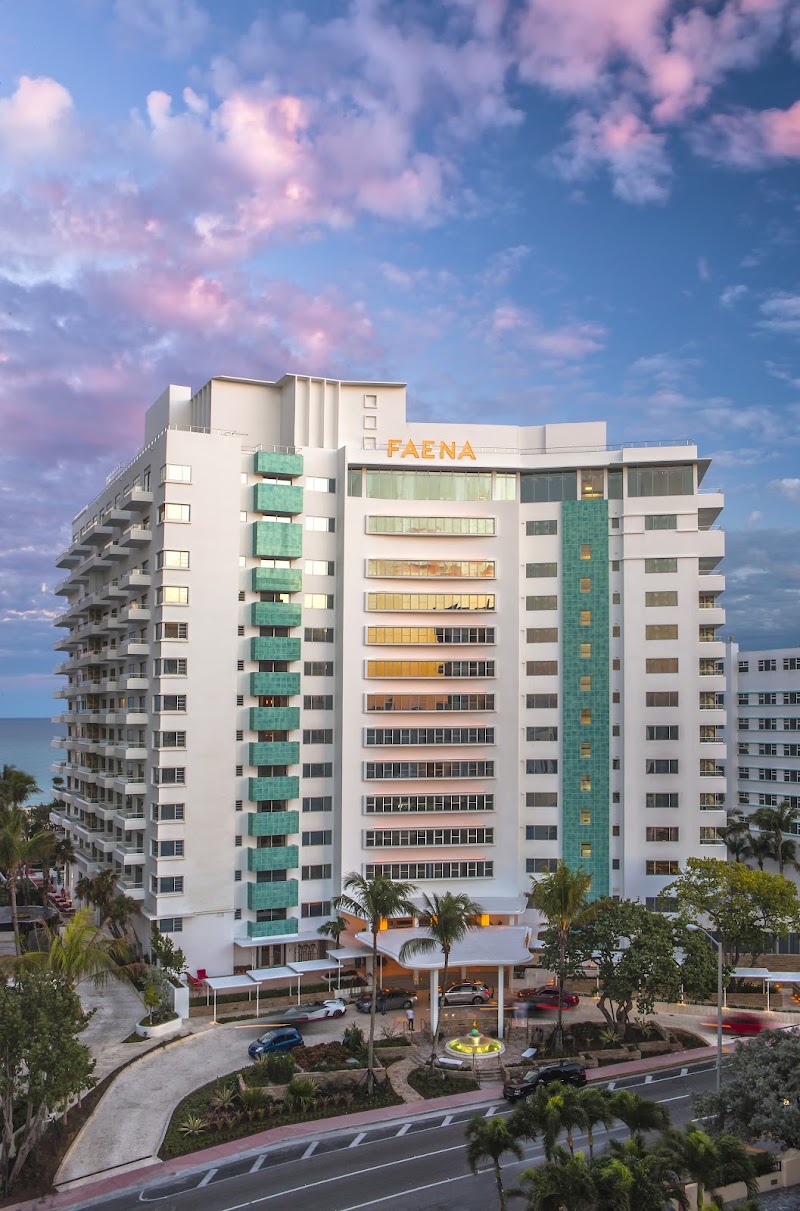
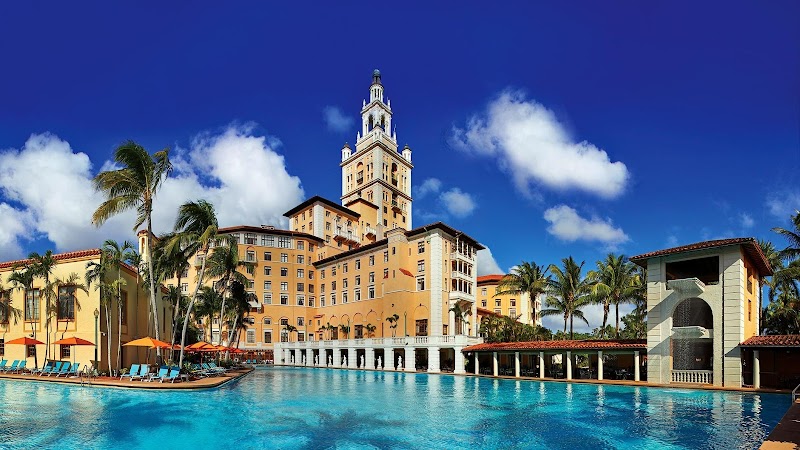
The defining feature of Miami's hotel dining scene is the city's position as a crossroads of the Americas. Thomas Keller at the Four Seasons Surf Club represents American fine dining at its most refined. Nobu at the Eden Roc brings global Japanese cuisine. The Bazaar by José Andrés at the SLS (now closed but its influence lingers) pioneered avant-garde dining in a hotel context. The Major Food Group's Carbone, while technically a standalone restaurant, has become so associated with the Miami luxury hotel circuit that its influence shapes every high-end hotel's dining strategy.
Beyond the hotel restaurants themselves, the best foodie hotels position their guests to access Miami's broader dining ecosystem. This means proximity to key culinary neighbourhoods: Wynwood (craft cocktails, innovative casual dining), the Design District (Mandolin Aegean Bistro, Michael's Genuine), Little Havana (authentic Cuban cuisine at Versailles and El Exquisito), and the rapidly evolving Brickell corridor. A hotel that understands food will have a concierge team that can navigate reservations, recommend off-menu experiences, and connect guests with the city's less obvious culinary treasures.
The hotel breakfast question deserves specific attention in Miami. The city's brunch culture is among America's most elaborate, and several hotels — the Biltmore's Sunday brunch, the Fontainebleau's Hakkasan weekend dim sum, and the Edition's Jean-Georges breakfast — have elevated the morning meal to an event rather than a routine. Budget-conscious foodies should note that Miami's best breakfast deal remains the Cuban cafecito and tostada at any Little Havana ventanita (walk-up window), which costs under $5 and delivers more flavour per dollar than any hotel buffet.