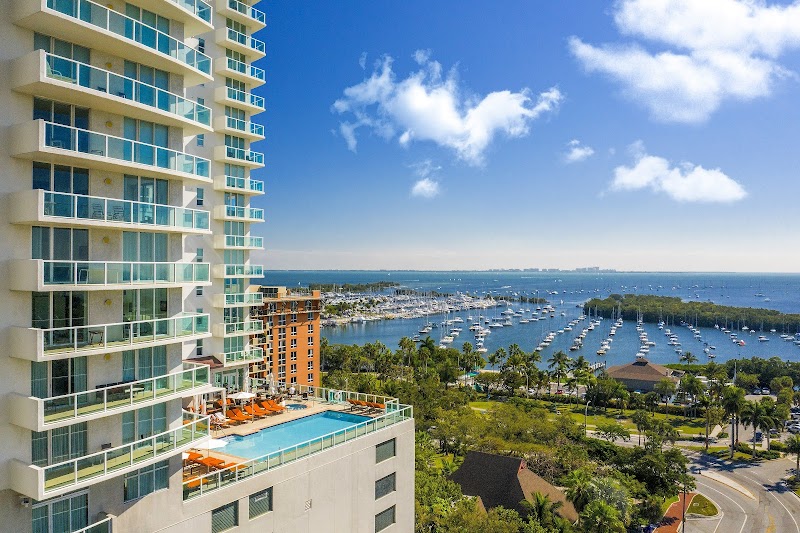
The Grove, as locals call it, occupies a privileged position on the southern shore of Biscayne Bay, sheltered from the ocean's energy by Key Biscayne and offering some of Miami's most spectacular sunset views. The neighbourhood's character was shaped by its original settlers — Bahamian fishermen, New England snowbirds, and a 1960s counterculture community that left a lasting bohemian imprint. Today, it's one of Miami's most affluent residential areas, but it retains a village atmosphere that the newer developments in Brickell and Edgewater cannot replicate.
Vizcaya Museum and Gardens — a 1916 Italian Renaissance-style villa with some of the most beautiful gardens in the Americas — is Coconut Grove's cultural centrepiece and one of Miami's most important historic sites. The Barnacle Historic State Park, the Kampong tropical botanical garden, and the marina at Dinner Key add cultural and natural depth to a neighbourhood that rewards slow exploration.
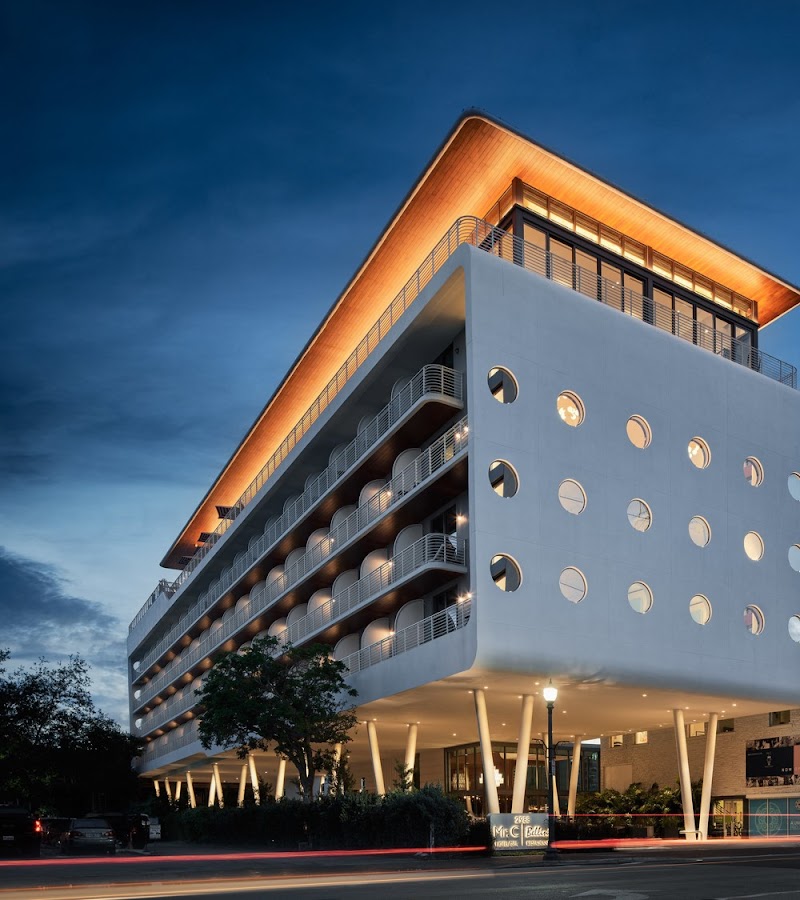
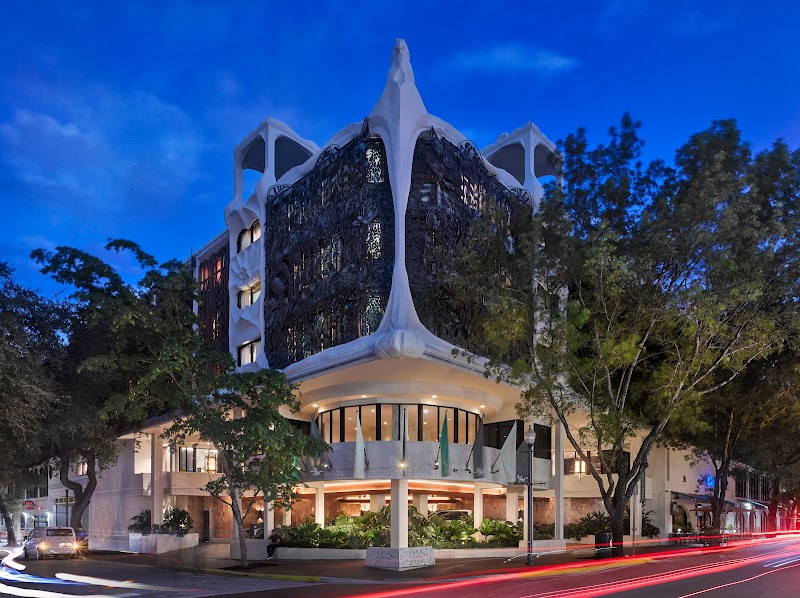
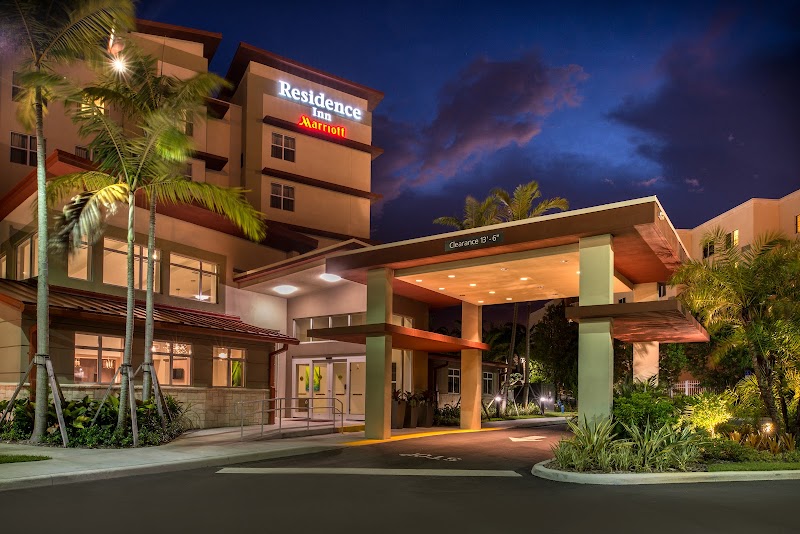
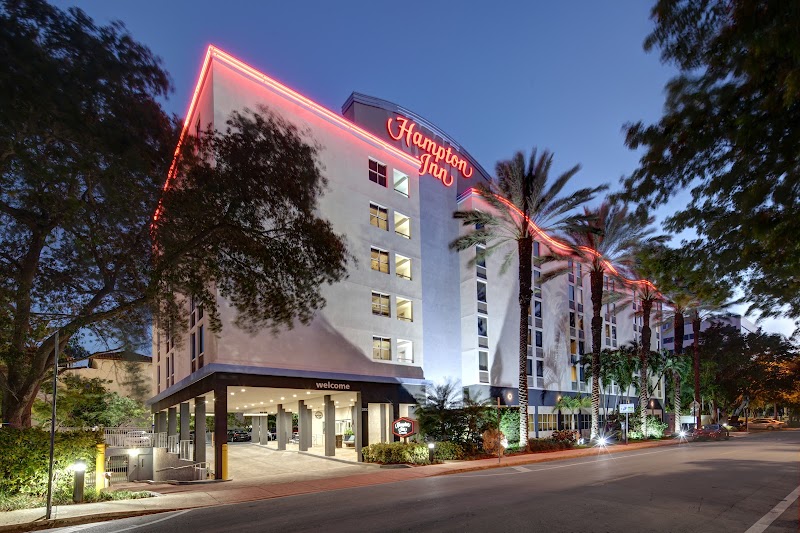
The hotel landscape in Coconut Grove is more limited than South Beach or Brickell, reflecting the neighbourhood's residential character. The Mr. C, a Cipriani family property, is the standout — a Mediterranean-influenced luxury hotel with water views and the Cipriani brand's legendary food and beverage quality. The Ritz-Carlton Coconut Grove (now the Freehand Coconut Grove) and several boutique options provide alternatives at different price points.
Coconut Grove's dining scene has improved significantly — restaurants like Ariete, Glass & Vine (in Peacock Park), and Virú round out a neighbourhood dining ecosystem that no longer requires leaving the Grove for a quality meal. The CocoWalk complex has been reinvented with shops and restaurants that serve the local community rather than tourists.