Skip to content

Istanbul — Neighborhood Guide

Best Hotels in Istanbul Old City

Istanbul's old city — the historic peninsula bounded by the Golden Horn, the Sea of Marmara, and the Theodosian Walls — is the most historically dense urban area in the world still in daily use. Byzantine churches, Ottoman mosques, Roman cisterns, and medieval bazaars operate alongside the contemporary city in a palimpsest that took 2,700 years to accumulate. Hotels here range from converted Ottoman mansions to international brands positioned for monument proximity — all share the experience of waking up in a place where history is not preserved in a museum but lived.

best hotels in istanbul old city best hotels in old city istanbul
Best Hotels in Istanbul Old City

Quick Answer

The Best Hotels in Istanbul Old City at a Glance

Istanbul's old city — the historic peninsula bounded by the Golden Horn, the Sea of Marmara, and the Theodosian Walls — is the most historically dense urban area in the world still in daily use. Byzantine churches, Ottoman mosques, Roman cisterns, and medieval bazaars operate alongside the contemporary city in a palimpsest that took 2,700 years to accumulate. Hotels here range from converted Ottoman mansions to international brands positioned for monument proximity — all share the experience of waking up in a place where history is not preserved in a museum but lived.

  1. 1
    Four Seasons Hotel Istanbul at Sultanahmet Sultanahmet · $$$$ · ★ 9.5
  2. 2
    Ajwa Hotel Sultanahmet Sultanahmet · $$$$ · ★ 9.3
  3. 3
    Ibrahim Pasha Hotel Sultanahmet · $$ · ★ 8.9
  4. 4
    Eresin Hotels Sultanahmet Sultanahmet · $$ · ★ 8.7
  5. 5
    Empress Zoe Hotel Sultanahmet · $$ · ★ 8.7

5 hotels reviewed · Price range: $$$$, $$ · Last updated March 2026

About This Guide

Istanbul's historic peninsula contains the ruins of ancient Byzantium, the capital of the Eastern Roman Empire, and the political centre of the Ottoman Empire at its height — all on the same physical ground. The monuments are not scattered curiosities but a dense operational landscape: Hagia Sophia (still an active mosque), the Blue Mosque (still calling five times daily), the Grand Bazaar (still trading as it has since 1461), and the Topkapi Palace (now a museum but architecturally intact).

Sultanahmet is the densest monument quarter, but the old city extends well beyond it. Eminönü, at the Galata Bridge, is one of Istanbul's most commercially active waterfront neighbourhoods — the Egyptian Spice Bazaar, the Rüstem Pasha Mosque (with its extraordinary İznik tiles), and the constant ferries between the city's shores all operate within a few hundred metres. Fatih, to the west, is more conservative in character and less tourist-oriented, with excellent local restaurants and mosques that see very few international visitors.

The Küçük Ayasofya Mosque neighbourhood, south of the Blue Mosque on the Marmara slope, is the old city's most charming residential area — quieter than Sultanahmet, authentically residential, and home to some of the finest small boutique hotels in the area. Hotels on the Marmara side capture sea views that the inland Sultanahmet properties cannot.

For food, the old city has improved dramatically. The tourist-trap kebab houses around the main monuments are still there, but a generation of younger Istanbul restaurateurs has opened genuinely excellent meyhane, seafood, and modern Turkish restaurants in the Cankurtaran and Küçük Ayasofya areas — serving food that reflects the neighbourhood's multicultural Ottoman heritage rather than generic tourist expectations.

The Tram T1 is the old city's transport spine — running from Bağcılar in the west to Kabataş on the Bosphorus shore, it connects Sultanahmet to the Grand Bazaar (2 stops), Eminönü (3 stops), and Karaköy waterfront (4 stops). Almost all old city hotels are within a 10-minute walk of a tram stop.
Insider Tips

  • 1

    Hagia Sophia requires advance online tickets during peak season (May–September) — queue times without pre-purchased tickets can exceed 2 hours. Buy at ayasofyacamii.gov.tr.

  • 2

    The Basilica Cistern, accessible from İmranlı Sokak near Sultanahmet, is remarkably uncrowded compared to the surface monuments — a 40-minute visit that rewards independent exploration.

  • 3

    The Balat and Fener districts (30 minutes by tram from Sultanahmet) are the old city's most visually extraordinary residential neighbourhoods — a colourful hillside quarter of Greek and Jewish heritage that very few tourists reach.

  • 4

    Friday prayer times at the Blue Mosque (approximately 1pm) result in monument closures for about an hour — plan visits for mornings or 2:30pm onwards.

  • 5

    The Egyptian Spice Bazaar (Mısır Çarşısı) at Eminönü is much less crowded than the Grand Bazaar and sells better-quality Turkish tea, spice mixes, and lokum — excellent for food gifts without the Grand Bazaar haggling.

Our Picks

Best Hotels in Istanbul Old City

5 hotels · Updated February 2026

Four Seasons Hotel Istanbul at Sultanahmet — Sultanahmet
$$$$ Ultra-luxury
★ 9.5

The old city's greatest hotel — a converted Ottoman prison from the 19th century, positioned yards from Hagia Sophia's dome. The architectural transformation is extraordinary: what was a place of confinement is now a place of extraordinary beauty, with a courtyard garden, an exceptional Turkish breakfast terrace, and the Four Seasons' legendary service standards applied to one of the world's most historic settings. Nothing in Istanbul's old city competes with this combination of location, history, and service.

  • Hagia Sophia proximity
  • Ottoman prison conversion
  • Four Seasons service
Check Availability
Ajwa Hotel Sultanahmet — Sultanahmet
$$$$ Ultra-luxury
★ 9.3

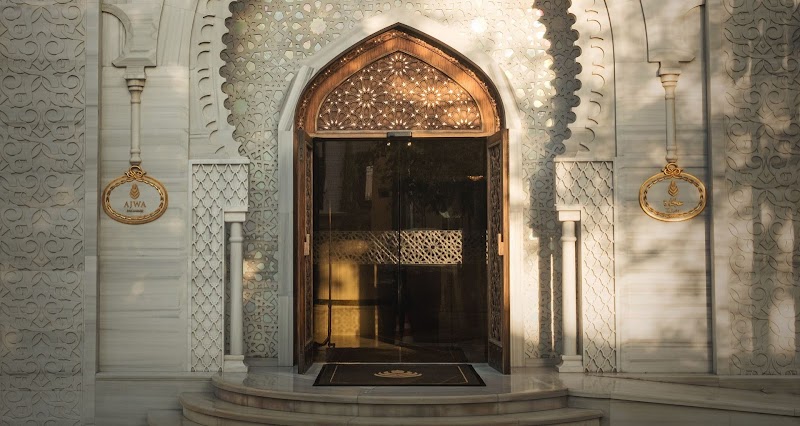
The old city's finest new luxury property — a historic mansion restored with lavish Ottoman-influenced interiors and positioned at the top of the Sultanahmet hill where the views encompass both the Blue Mosque and Hagia Sophia in the foreground with the Bosphorus behind. The spa is the best in the old city, the restaurants are genuinely excellent, and the hotel has quickly attracted a following among luxury travellers who find the Four Seasons fully booked.

  • hilltop views
  • Ottoman spa
  • both mosques visible
Check Availability
Ibrahim Pasha Hotel — Sultanahmet
$$ Mid-range
★ 8.9

The most atmospheric mid-range option in the old city — a 19th-century townhouse facing the Hippodrome, with a rooftop terrace offering Blue Mosque views that most visitors can only capture in photographs from outside. The Ibrahim Pasha has a devoted following for its combination of historical authenticity, personal service, and pricing that puts it in reach of travellers who cannot justify Four Seasons rates. The 24 rooms vary; book upper floors well in advance.

  • Hippodrome views
  • personal service
  • value mid-range
Check Availability
Eresin Hotels Sultanahmet — Sultanahmet
$$ Mid-range
★ 8.7

A boutique hotel built on actual Byzantine archaeological remains — the lobby features an in-situ archaeological display of mosaics and architectural fragments excavated during construction. The rooms occupy a purpose-built structure sensitive to the historic fabric, the rooftop terrace captures excellent Blue Mosque and Marmara Sea views, and the hotel's commitment to presenting its archaeological heritage genuinely rather than decoratively sets it apart from competitors.

  • Byzantine archaeology
  • rooftop sea views
  • historical authenticity
Check Availability
Empress Zoe Hotel — Sultanahmet
$$ Mid-range
★ 8.7

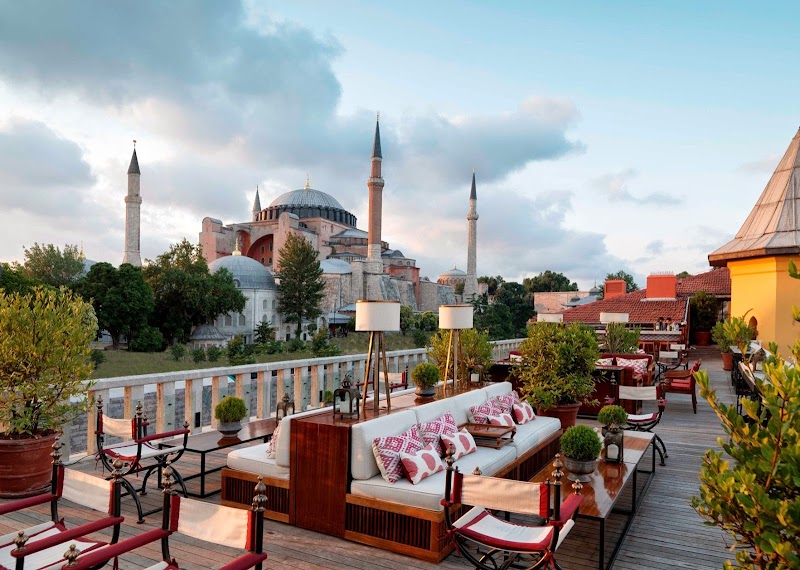
Named for the Byzantine empress whose mosaic portrait gazes from Hagia Sophia's upper gallery, the Empress Zoe is a cluster of three connected historic buildings around a garden courtyard that feels like a secret garden in the dense old city. The informal, personal service creates a genuinely warm atmosphere, and the view of the Blue Mosque from the breakfast terrace each morning is one of Istanbul's finest ways to start a day.

  • garden courtyard
  • Byzantine name heritage
  • informal atmosphere
Check Availability

Common Questions

Frequently Asked Questions

What is the Istanbul old city called?

The historic peninsula is commonly called the Old City, Historic Peninsula, or Tarihi Yarımada in Turkish. The main tourist district within it is Sultanahmet, but the Old City extends to include Eminönü, Fatih, Balat, and Fener districts.

Is the old city in Istanbul safe?

Yes — the main tourist areas (Sultanahmet, Eminönü, Grand Bazaar area) are well-policed and generally safe. Normal urban precautions apply in crowded market areas. The Fatih district, while very safe, is more conservative in atmosphere and has less tourist infrastructure.

Where is the best area within the old city to stay?

Sultanahmet for monument proximity; Cankurtaran or Küçük Ayasofya for a more residential feel while maintaining walking distance to the main sights; Eminönü for waterfront atmosphere and ferry access. All are within the Tram T1 corridor.

Can I walk between the main monuments in the old city?

Yes — Hagia Sophia, the Blue Mosque, Topkapi Palace, the Hippodrome, and the Basilica Cistern are all within a 15-minute walking radius. The Grand Bazaar and Süleymaniye Mosque require a 20–30 minute walk or a short tram ride.

Is the old city good for nightlife?

No — the old city is predominantly residential and closes early. For nightlife, take the tram to Karaköy and walk up to Beyoğlu. The old city's evenings are better suited to restaurant dinners with views of illuminated monuments, rooftop bars, and early nights.

Ready to book Istanbul?

Prices and availability change daily. Lock in the best rate by booking early — most of our top picks offer free cancellation.

View All Istanbul Hotels