Florence's Christmas season operates on different rhythms from northern Europe. While German and Central European cities peak on Christmas Eve and Christmas Day, Italian festive culture builds toward the Epiphany (La Befana, January 6th), when the Three Kings arrive and children receive gifts. This means that Florence's festive installations — the market at Piazza Santa Croce, the presepi in every church, and the seasonal illuminations — remain in place and fully operational through January 6th, giving visitors in early January a complete festive experience that northern European cities have already packed away.
The Christmas market at Piazza Santa Croce is Florence's most traditional festive event — a German-style market on the grand square in front of the 13th-century basilica, first introduced in the late 1990s and now a firmly established tradition. The German village stalls, spiced wines, and craft goods feel pleasingly transplanted to a Florentine setting, and the Santa Croce church provides an extraordinary backdrop of Gothic marble and the graves of Michelangelo, Galileo, and Machiavelli.
Florence's church and museum Christmas concert program is exceptional. The Opera di Santa Maria del Fiore — the institution that manages the Duomo complex — hosts Christmas concerts in the cathedral and the Baptistery. The Accademia Gallery, home to Michelangelo's David, holds evening concerts. And Florence's many Romanesque churches — San Miniato al Monte, the Badia Fiorentina, Santa Maria Novella — offer Gregorian chant and polyphonic music concerts throughout December that provide some of the most moving musical experiences available anywhere in Europe.
Winter is Florence's best time for museum visits. The Uffizi Gallery, which in summer requires planning weeks ahead and still involves long waits, is manageable in December with advance online booking and minimal queuing. The combination of Botticelli's Primavera and the Annunciation paintings in the relative calm of a December morning visit is the Florence experience as it was meant to be — intimate, unhurried, and deeply felt.
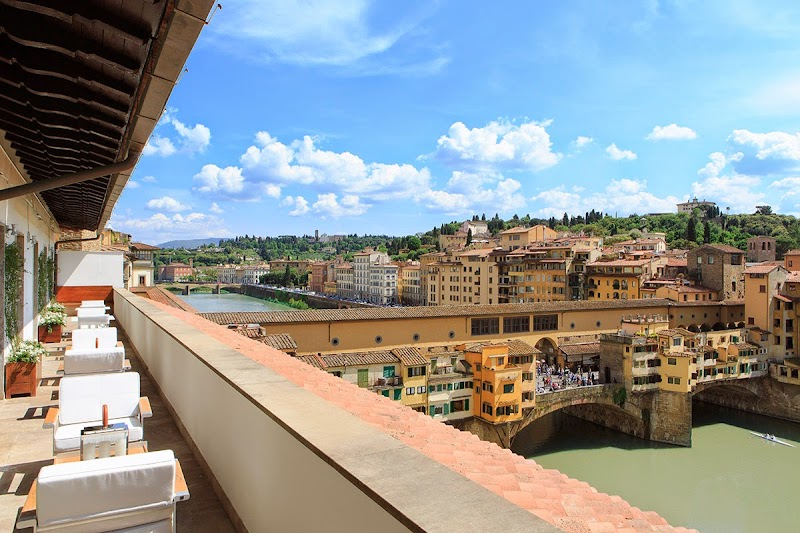
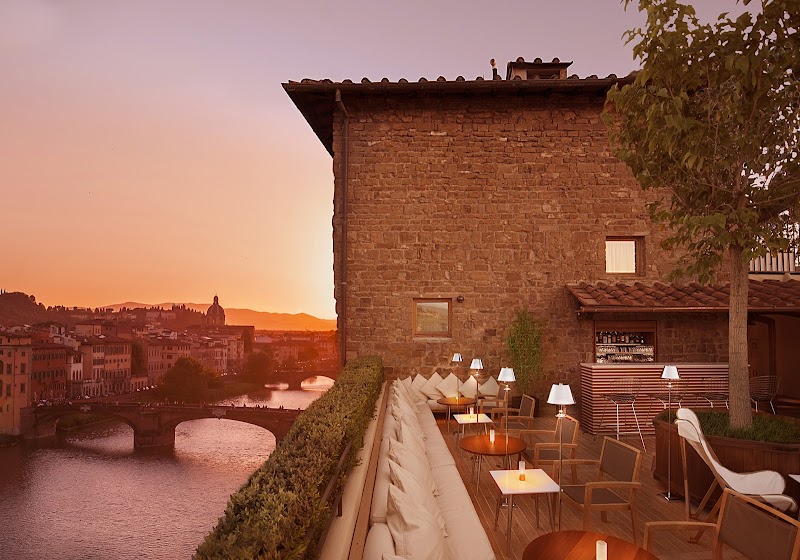
Florentine winter temperatures are mild by northern European standards — typically 4–12°C in December, with cold nights and occasional frost but rarely snow in the city center. The surrounding Chianti and Mugello hills are sometimes snow-capped, providing a beautiful backdrop visible from higher parts of the city. The winter light on the Arno and the terracotta rooftops has a particular quality — sharp, clear, and golden in the afternoon — that photographers find among the most rewarding in Europe.