## Why Location Matters More in Edinburgh Than Almost Anywhere
Edinburgh has a topography that makes central location unusually important. The Old Town sits on a volcanic ridge running from the Castle down to Holyrood, and the New Town fans out from Princes Street across Georgian grid streets. The two areas are connected by a handful of bridges and steps — it's all eminently walkable, but the city rewards guests who are close enough to wander without a plan. Book in Haymarket or Leith and you're always calculating: 'Do I bother going back to get my jacket, or just push on?' Book on the Royal Mile and Edinburgh unfolds around you.
## Old Town vs New Town: Choosing Your Side
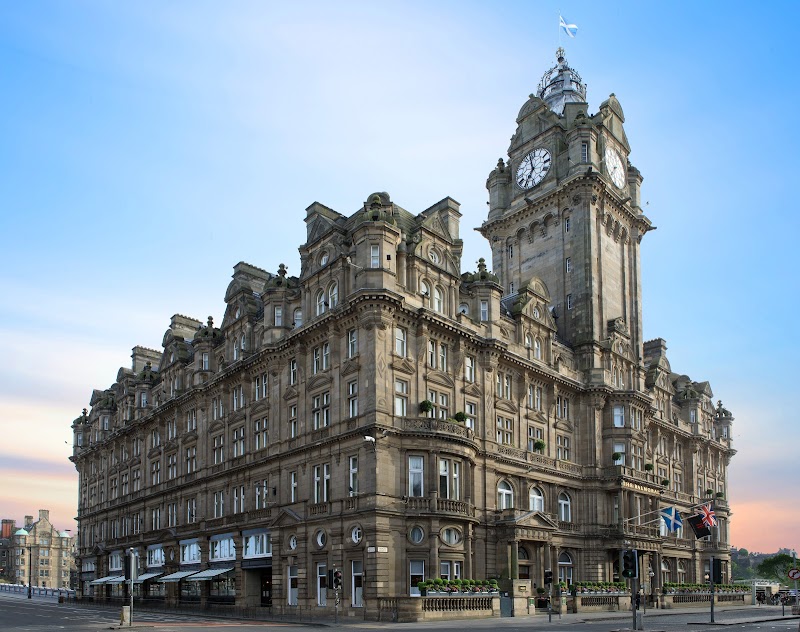
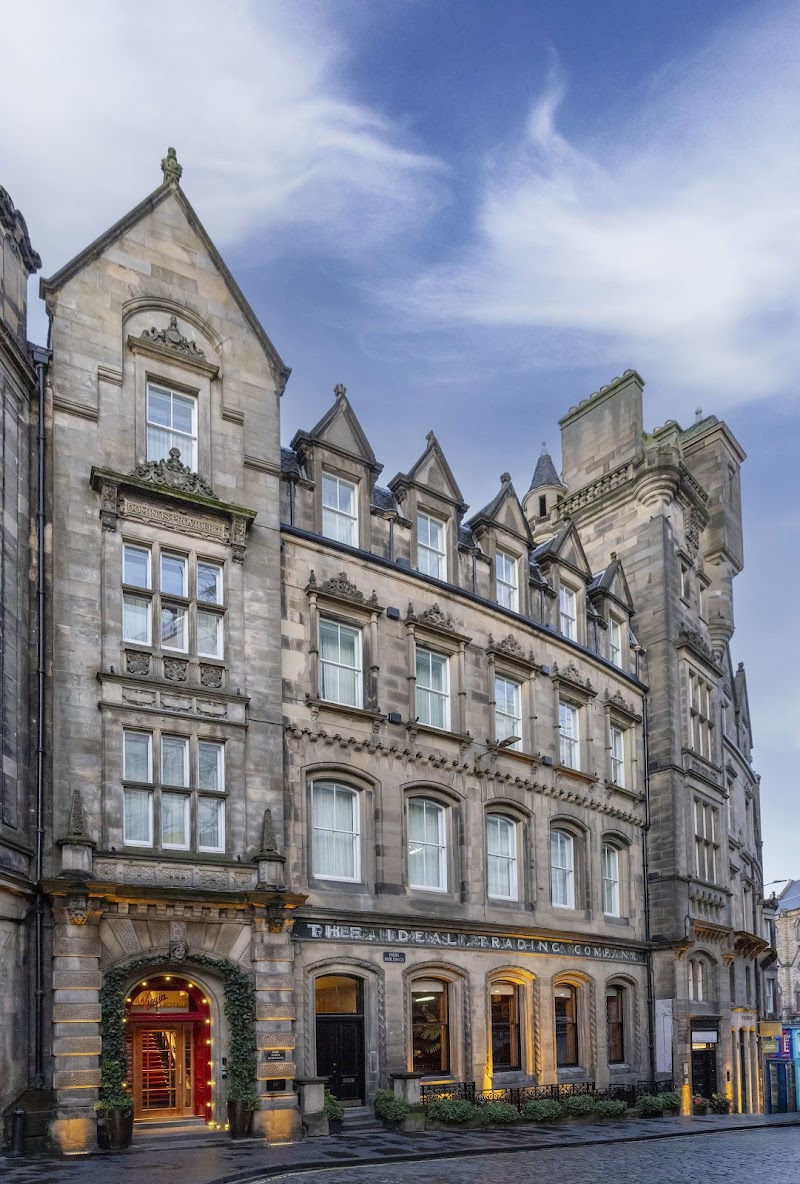
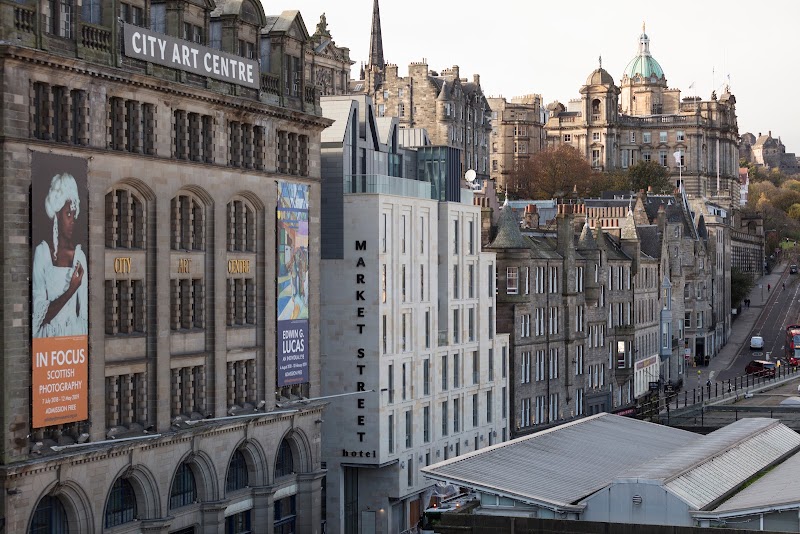
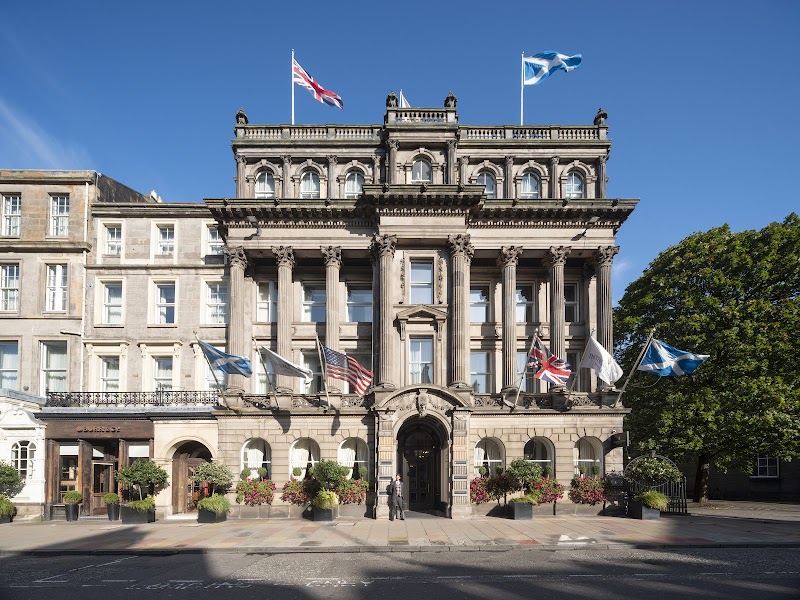
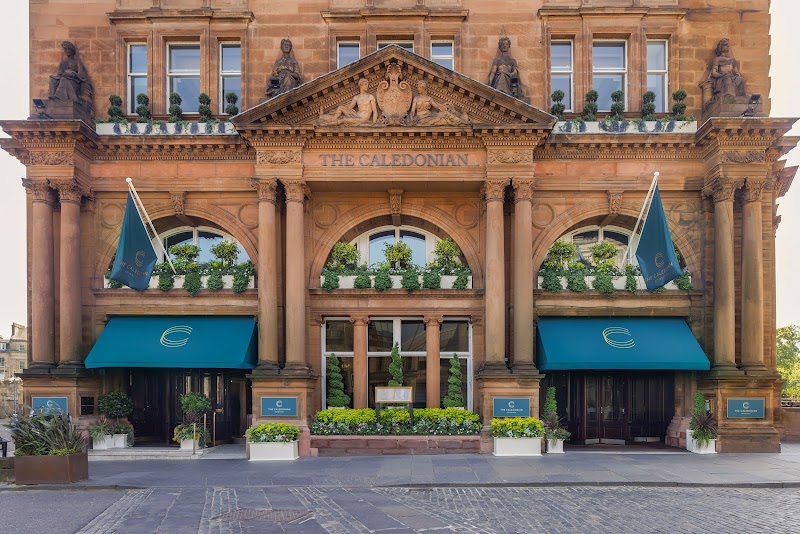
The Old Town and New Town sit across Princes Street Gardens from each other — the famous valley between the medieval ridge and the Georgian expansion — and they offer genuinely different experiences. **Old Town** (Royal Mile, Grassmarket, Cowgate) is medieval in its bones: closes (pronounced 'clozes') and closes, cobblestones, closes that suddenly open into dramatic viewpoints, and a density of pubs, restaurants, and independent shops that feels authentically Scottish rather than designed for tourism. Hotels here tend to be set in historic buildings with all the character and occasional inconveniences (odd room shapes, no lift in listed buildings) that implies. **New Town** is Georgian Edinburgh — Princes Street, George Street, and the surrounding grid — wider pavements, grander architecture, the city's best department stores and fashion retail, and hotels that tend toward the formal luxury end. The walk between the two takes about five minutes.
## The Fringe Factor: Booking for August
The Edinburgh International Festival and Fringe run through August and the first days of September. During this period, the city's population roughly doubles, every venue operates at capacity, and hotel prices increase 200–400% over standard rates. If visiting in August, book six months to a year ahead — there is no alternative. The upside is that August Edinburgh is one of the great urban experiences: street performers on every corner, world-class theatre and comedy in converted venues across the city, and an atmosphere of collective delight in the arts that you won't find anywhere else. If your dates are flexible, late September through early November offers Edinburgh at its atmospheric best: moody skies, shorter crowds, excellent whisky bar season, and prices at reasonable levels.
## Practical Centre Map: Walking Distances
From any hotel on the Royal Mile, Edinburgh Castle is 5–15 minutes on foot depending on position. Waverley Station (main train connection to London, Glasgow, and the rest of Scotland) is walkable in 5–10 minutes from most central hotels. Princes Street shopping is 2–5 minutes from Old Town accommodations. The National Museum of Scotland is a 5-minute walk from the central Royal Mile. The Scottish Parliament and Holyrood Palace are at the bottom of the Royal Mile, 15–20 minutes on foot. Arthur's Seat — the extinct volcano at the city's eastern edge — is a 30-minute walk plus a 45-minute climb.
## What to Look For in a City Centre Edinburgh Hotel
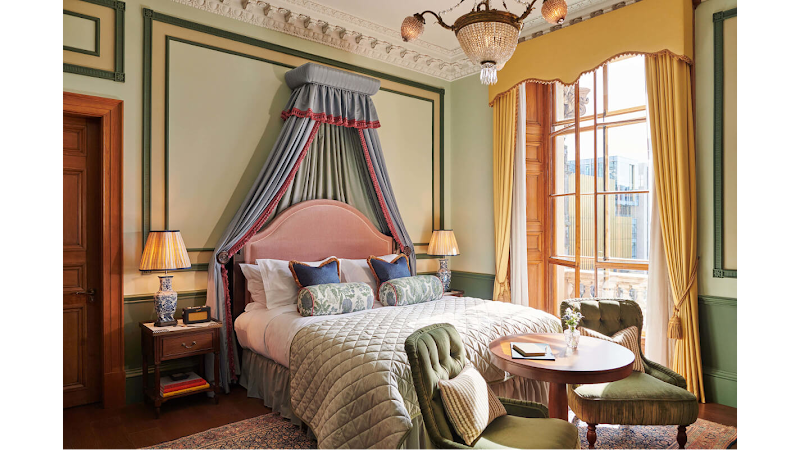
Beyond location, the practical differentiators in Edinburgh city centre: whether the hotel includes breakfast (some of the best value central hotels include a full Scottish breakfast, which is a very different proposition from a continental roll), castle-view rooms (always worth asking about even at hotels that don't advertise them), parking (the centre has very limited parking and PCN fines are enthusiastically issued — if driving, confirm parking in advance), and proximity to Waverley Station for guests arriving by train.