Dubai's solo travel scene has matured considerably over the past decade. The metro network — Red and Green lines connecting the airport to Marina in under 30 minutes — makes car-free travel feasible in a city designed around driving. This alone has transformed the experience for solo visitors: neighborhoods once isolated are now walkable from metro stops, and the hop-on convenience of the Dubai Tram along JBR makes beach access genuinely independent.
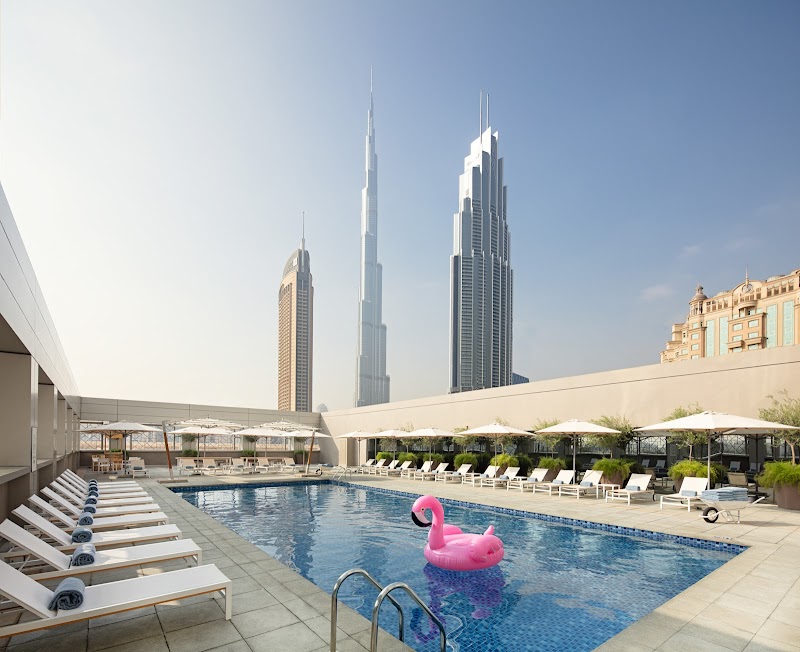
The Rove Hotels brand was designed explicitly with the independent traveller in mind. Rove Downtown, Rove City Centre, and Rove At The Park sit near metro stations, price accessibly, and create an atmosphere — co-working zones, social lounges, communal dining — that genuinely encourages solo travellers to talk to each other. The Dubai edition of Rove is the city's closest equivalent to a design-forward social hostel, with private room quality but shared-space energy.
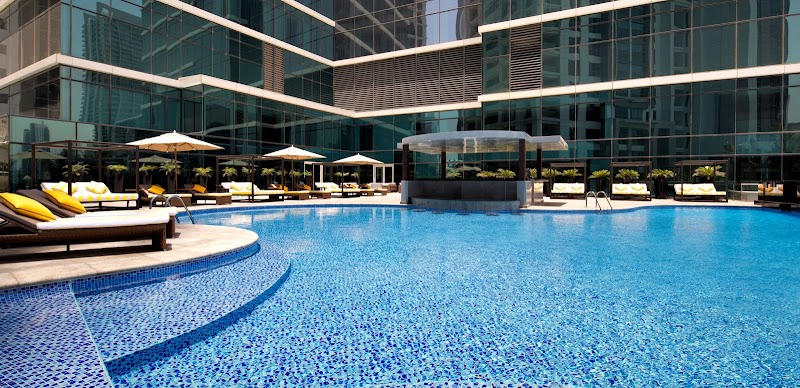
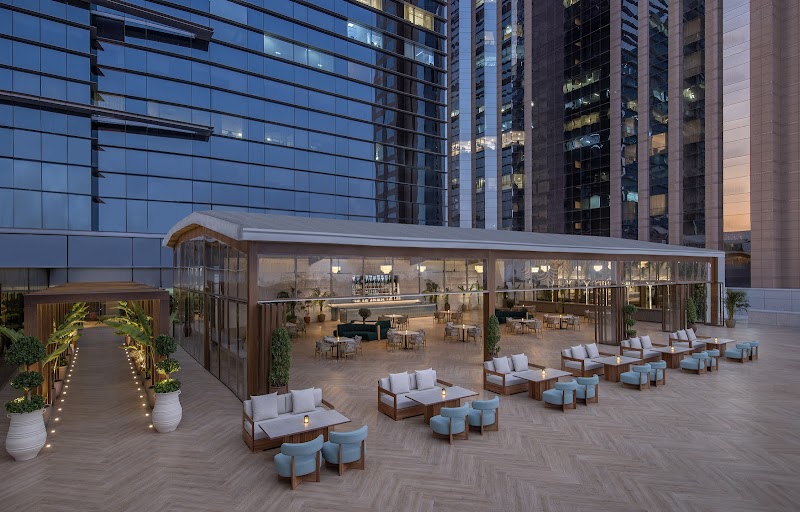
For solo travellers with larger budgets, DIFC hotels offer a different kind of solo experience: the financial district's walkable dining and bar scene means evenings don't require taxis or planning. Four Seasons DIFC and the Taj Dubai both sit within easy reach of Gate Village restaurants — Zuma, Nobu, Netsu, Gaia — creating a solo fine-dining ecosystem that rewards independence rather than penalising it.
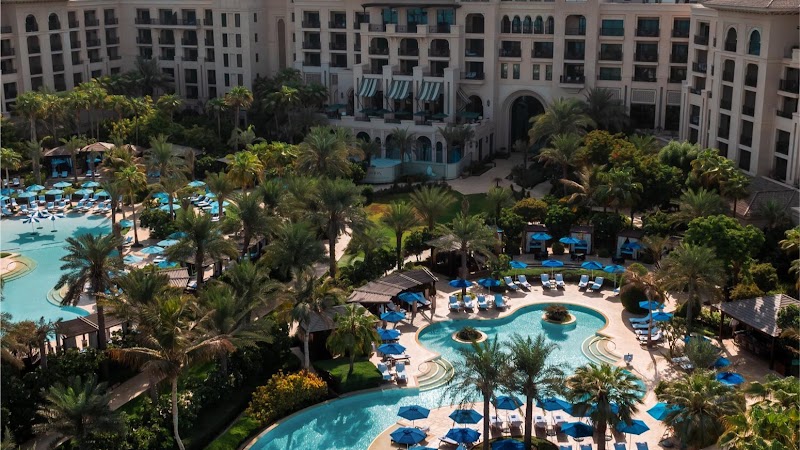
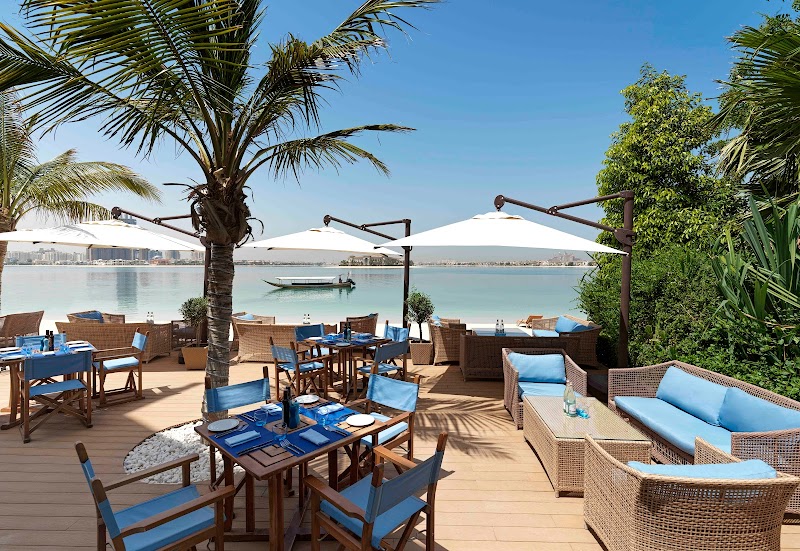
Dubai can feel couple- and family-centric in its resort DNA, particularly on the Palm and in Jumeirah. Solo travellers who want genuine urban energy are better served by Downtown, Business Bay, and DIFC — neighborhoods where work, dining, and nightlife coexist without the resort isolation that Palm properties create by design.
Practical considerations for solo Dubai travellers: book metro Nol cards immediately on arrival (available at all metro stations), note that Uber and Careem operate throughout the city as reliable fallbacks, and be aware that most luxury hotel bars are available to non-staying guests — the hotel bar ecosystem in Dubai is one of the world's best for solo evening entertainment.