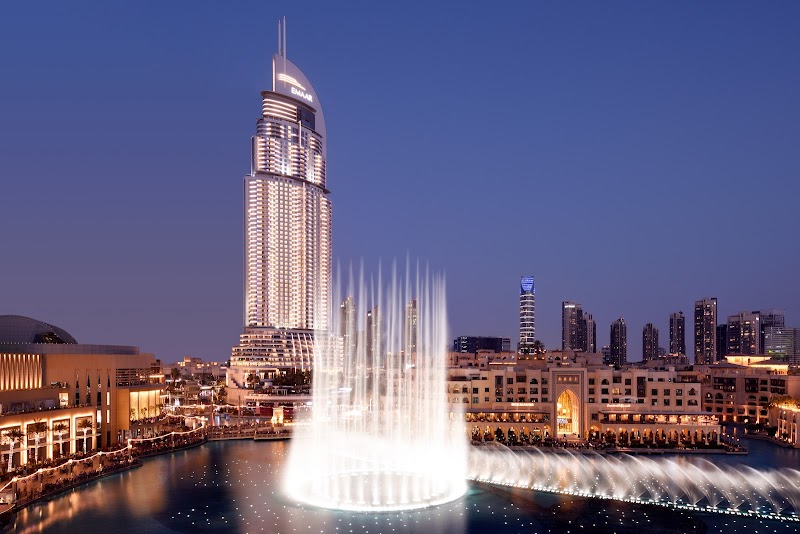
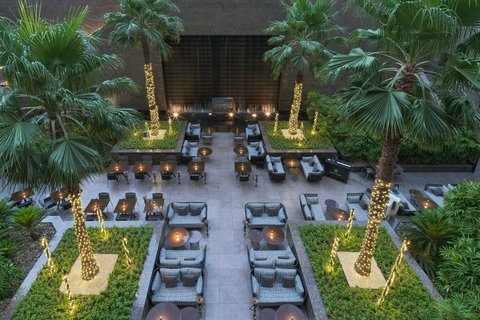
Dubai's dining ecosystem operates at two fundamentally different registers. The luxury hotel corridor — Downtown Dubai, the Marina, Palm Jumeirah — hosts most of the city's Michelin-starred and celebrity-chef establishments. Zuma (DIFC), Nobu (Atlantis The Palm), and the constellation of branded restaurants at Burj Al Arab and Atlantis together form a luxury dining scene that competes directly with any global capital. The Burj Khalifa base area (Dubai Mall, Souk Al Bahar) has an extraordinary concentration of restaurants catering to the 15 million annual visitors, ranging from genuinely excellent to predictably tourist-oriented.
But Dubai's most interesting food is found in the older, less glossy neighborhoods. Deira, the historic commercial heart of old Dubai, is where the city's Indian and Pakistani communities have created a restaurant culture of extraordinary depth. The Al Rigga and Murshid Bazaar areas are lined with South Asian restaurants serving $5 biryanis that are genuinely superb, sweet shops selling mithai from family recipes, and chai stalls operating 24 hours. The Old Dubai Creek area around the Gold and Spice Souks has the Banat Al Deera restaurant and several waterfront fish restaurants that serve grilled hammour and sultan ibrahim with rice and salad — the most authentic Dubai food experience available.
Jumeirah and the Al Wasl Road area represent the city's affluent residential dining culture — the cluster of restaurants on Al Safa Street, the Boxpark outdoor dining complex in Al Wasl, and the La Mer beachfront development all cater to Dubai's well-traveled expatriate population with menus that emphasize fresh, healthy, and creative cooking. Saturday brunches — Dubai's most beloved food tradition — happen at hotels across the city from 12:30pm to 4pm, offering all-inclusive food and drink packages that range from $80 to $300 per person depending on the hotel.
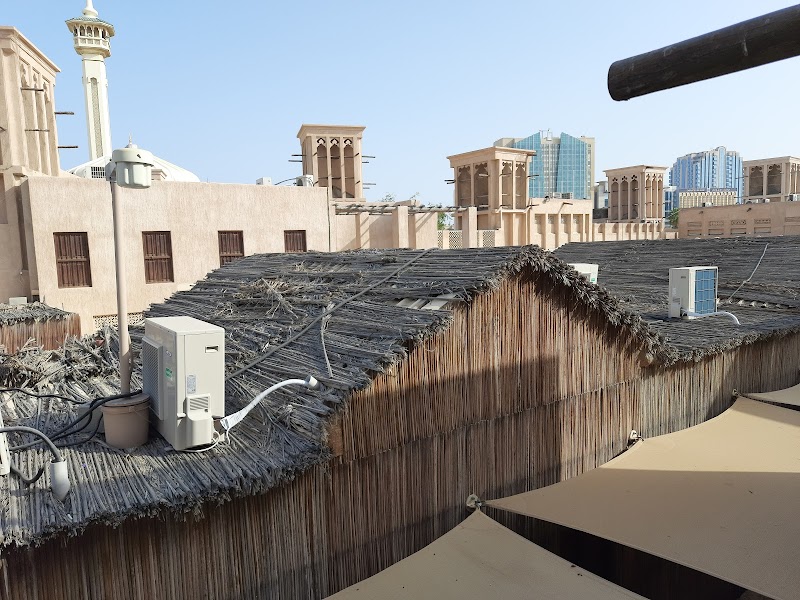
The DIFC (Dubai International Financial Centre) has developed into the city's most concentrated restaurant hub, with Zuma, Gaia, Tasca by José Avillez, and dozens of excellent mid-range options packed into a walkable district. Gate Village and the DIFC streets are animated from 7pm onward with a professional crowd that eats seriously. The Al Seef development along the historic creek has brought excellent Emirati and Persian restaurants to a heritage-architecture setting.
Dubai's restaurant season is October through April — the summer heat empties the terraces and reduces foot traffic significantly. The Dubai Food Festival (March) is an annual event that brings special menus, market pop-ups, and food-focused events across the city. Ramadan transforms the dining experience entirely: iftar (breaking fast) is celebrated with elaborate buffets at hotels across the city from sunset, and the city comes alive from 9pm onward with hospitality on a scale that outsiders rarely anticipate.