Deira and the adjacent Bur Dubai district on the opposite bank of the Creek constitute the historic city — the areas where Dubai existed before oil, before the Palm, and before the Burj Khalifa. The Gold Souk sells more gold per square metre than anywhere else on earth. The Spice Souk's sacks of saffron, dried lemon, and frankincense create an olfactory atmosphere impossible to replicate in a mall. The Creek itself, plied by wooden dhows loaded with goods destined for Iran, India, and East Africa, has operated continuously as a commercial waterway for centuries.
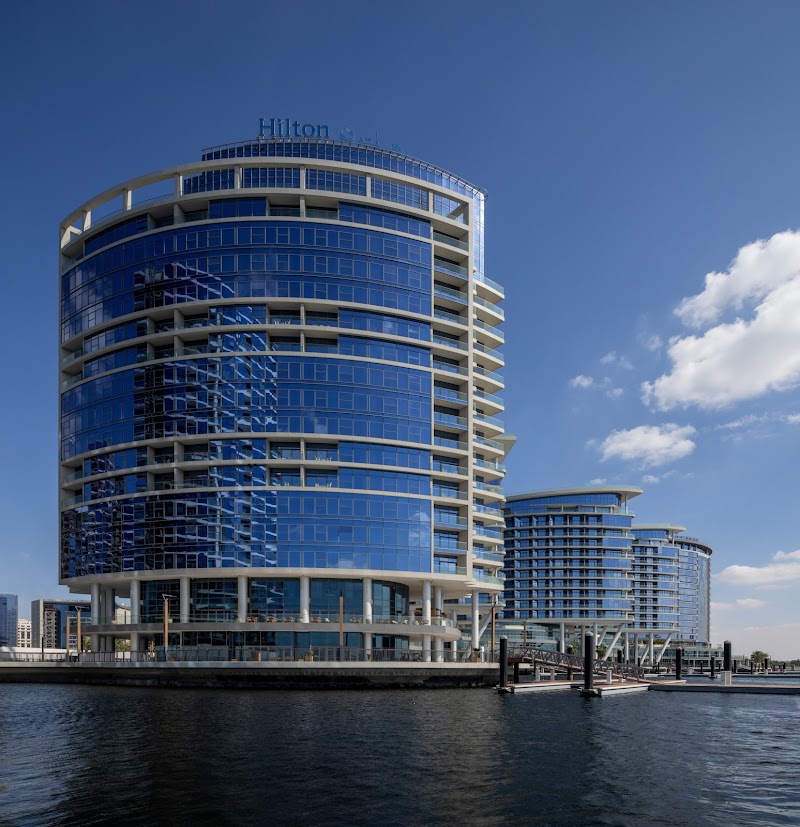
Hotels in Deira divide into two categories: the older international properties that were Dubai's best hotels in the 1970s and 80s (now mid-market options with good-quality infrastructure) and the newer branded properties that have recognised the area's growing appeal to historically curious tourists. The Hilton Dubai Creek, designed by Carlos Ott, remains one of the most architecturally interesting hotels in the city despite its age.
The Creek separating Deira from Bur Dubai is crossed by traditional wooden abras (water taxis) for AED 1 per crossing — one of Dubai's best travel experiences and genuinely unchanged for decades. The Dubai Museum in Bur Dubai, the Al Fahidi Historical Neighbourhood (Dubai's best-preserved old quarter), and the textile souks of Bur Dubai are all accessible from Deira by this crossing.
For budget travellers, Deira offers the most authentic and affordable Dubai experience. The neighbourhood's restaurants serve South Asian and Middle Eastern food at prices that make the Jumeirah beach strip look laughable by comparison. The Al Rigga area has excellent restaurant density, and the area around the Fish Market is a genuine local institution.
The metro connects Deira to the rest of the city via the Red Line — the Union and Al Rigga stations give access to the Gold and Spice Souks, while the Deira City Centre mall (one of Dubai's older shopping destinations) is at its own Red Line station.