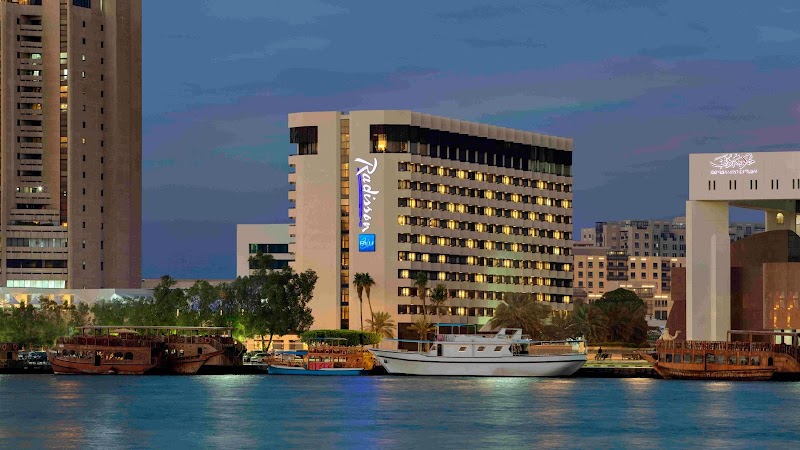
Long before the Burj Khalifa or the Palm Jumeirah existed, Dubai Creek was Dubai. This natural waterway served as the centre of the city's pearl-diving and trading economy, and the neighbourhoods along its banks — Deira to the northeast, Bur Dubai to the southwest — retain a character that the newer developments simply cannot replicate. The creek area offers a version of Dubai that many visitors never discover: traditional souks selling gold, spices, and textiles; waterfront mosques and wind-tower architecture; and a multicultural street-food scene influenced by Indian, Iranian, and Arab culinary traditions.
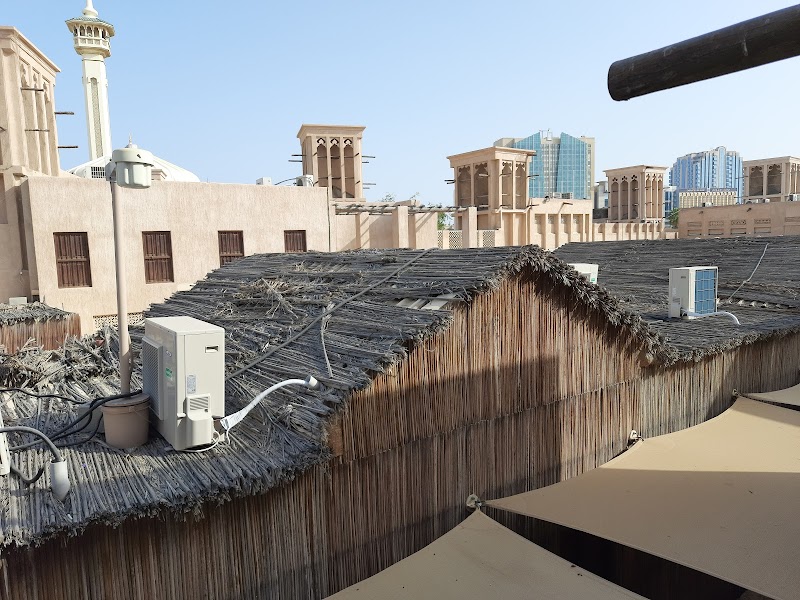
The hotel landscape along Dubai Creek has evolved significantly. The heritage-style properties in Al Fahidi Historical Neighbourhood (formerly Bastakiya) place guests in restored wind-tower houses — buildings that use traditional passive-cooling architecture and courtyard designs that predate air conditioning. These are among Dubai's most characterful accommodations, offering an intimacy and cultural authenticity that no beach resort can match.
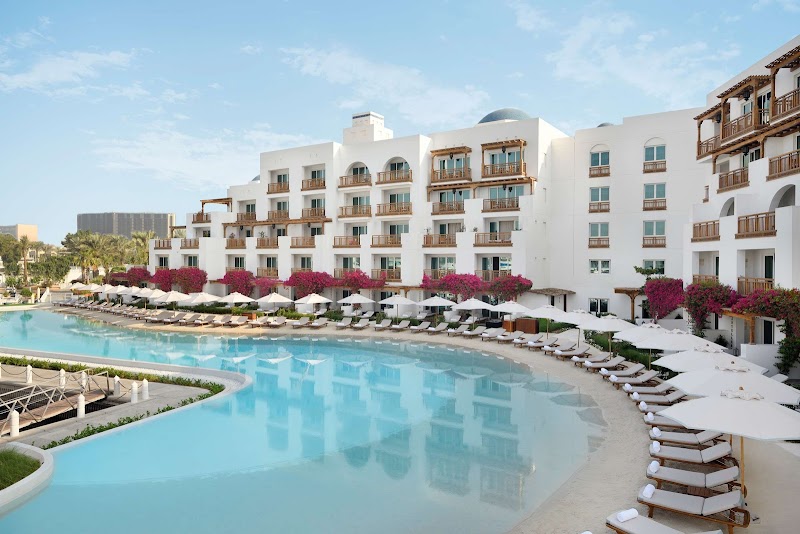
Park Hyatt Dubai occupies the most enviable position on the creek — a resort-style property on the Dubai Creek Golf & Yacht Club grounds, where the lagoon-style pool and the waterfront dining terrace offer creek views in a setting that feels more Mediterranean than Gulf. The property's design draws on Moorish architecture, and the Amara spa is among the finest in the city.
The creek area is also ideally positioned for cultural exploration. The Al Fahidi Historical Neighbourhood, the Dubai Museum in Al Fahidi Fort, the textile souk, and the soon-to-be-completed Dubai Creek Tower are all within walking distance. The Dubai Frame — the enormous picture-frame structure that offers views of both old and new Dubai — is a short taxi ride from most creek hotels. For visitors who want to understand Dubai beyond the shopping malls and skyscrapers, the creek is the most rewarding base.