Copenhagen's Christmas experience is fundamentally shaped by the concept of hygge — a Danish and Norwegian word describing a quality of coziness, conviviality, and well-being that comes from experiencing simple pleasures together. In December, hygge is manifest everywhere: in the flickering candlelight of restaurant windows, in the warmth of woolen-sweater-clad Copenhageners drinking gløgg (Danish mulled wine) at outdoor markets, and in the city's extraordinary culture of hospitality that treats Christmas as an opportunity to feed and warm everyone within reach.
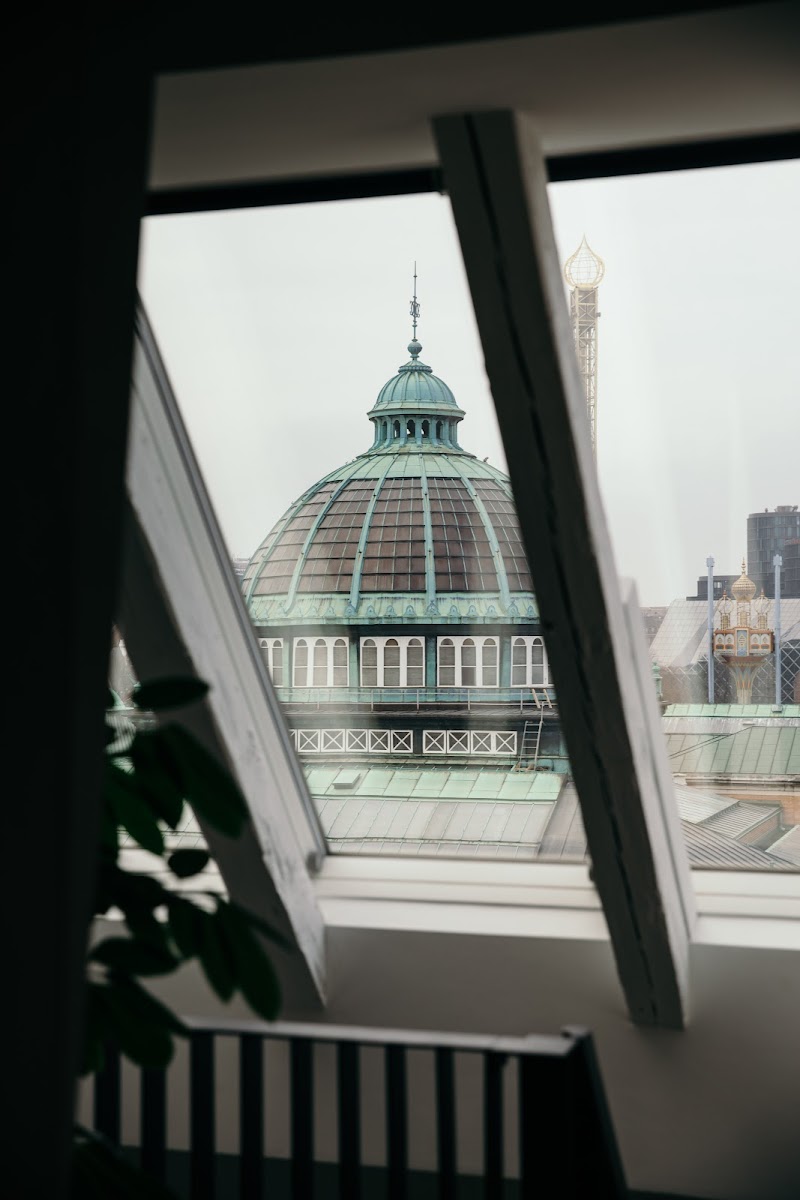
Tivoli Gardens' winter season is the undisputed centerpiece of Copenhagen Christmas. The world's second-oldest amusement park (opened 1843) transforms its Victorian garden into a Christmas market of 60+ stalls, ice skating, a nativity play, carol concerts, and light installations of extraordinary beauty. The combination of Tivoli's 19th-century rides and architecture with thousands of twinkling lights creates an atmosphere of magical nostalgia. Hotel proximity to Tivoli is the primary driver for Christmas accommodation choice in Copenhagen.
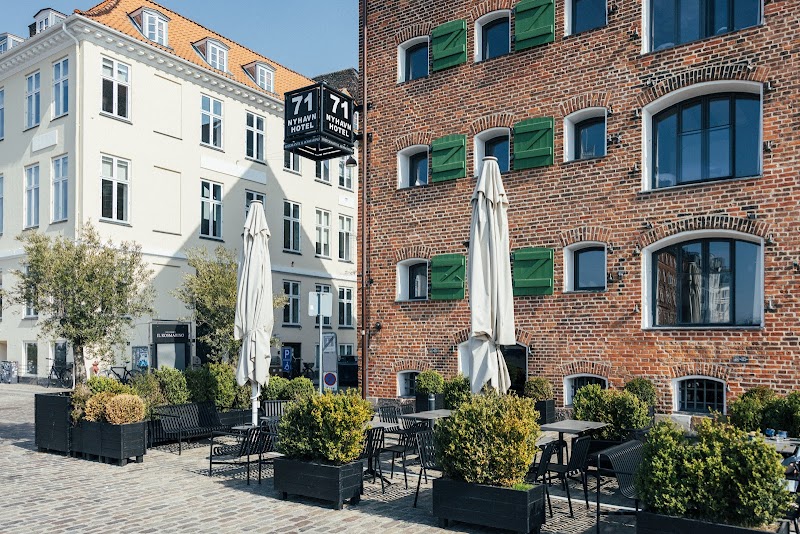
The Nyhavn canal district, with its painted townhouses reflected in the canal water and illuminated for the season, is Copenhagen's most photogenic Christmas venue. The traditional cafes and restaurants that line the canal host cozy Christmas suppers, and the entire area takes on a fairy-tale quality in the early evenings when the lights come on and the cold air keeps the crowds sensible. Hotels in the Nyhavn area and the adjacent old inner city are perfectly positioned.
Copenhagen's food scene is arguably the world's finest per capita — the city hosts multiple three-Michelin-star restaurants, an extraordinary natural wine scene, and the new Nordic cuisine tradition that has transformed global gastronomy. At Christmas, this manifests in spectacular seasonal menus across the dining spectrum, from the famous Geranium's Christmas tasting menu to the warm smørrebrød (open-faced sandwiches) served at traditional Danish lunch restaurants. The festive dining options in Copenhagen are unmatched by any city of comparable size.
Danish winter is cold and dark — December days are only 7 hours long in Copenhagen, and temperatures average 1–5°C with regular rain and occasional snow. But the darkness is the point in Denmark: the candle-lit hygge culture evolved precisely as a response to the long Nordic winter, and the experience of eating a long Danish Christmas dinner by candlelight while the wind rattles the windows outside is central to understanding why Copenhagen embraces rather than resists the cold season.