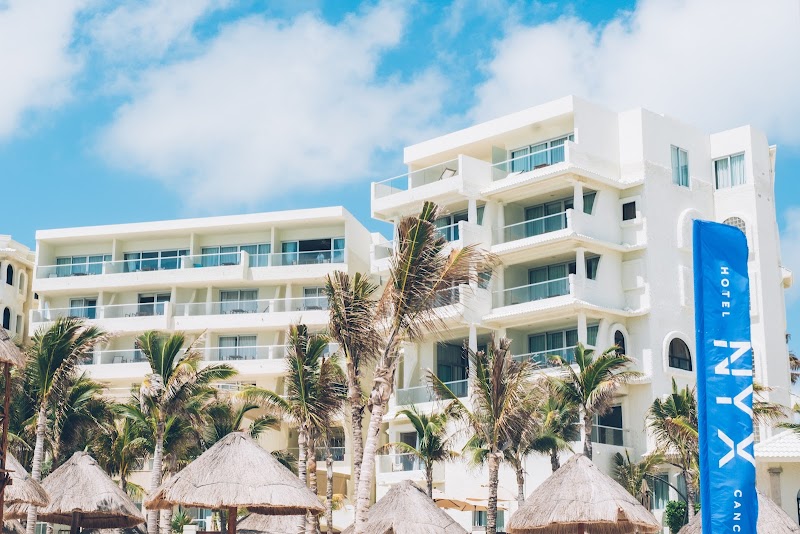
The geography of downtown Cancún is straightforward. El Centro sits on the Mexican mainland, connected to the Hotel Zone by two causeways across the Nichupté Lagoon. The downtown street grid runs roughly north-south and east-west, centered on the Avenida Tulum commercial spine and the residential neighborhoods extending outward. The distance from downtown's center to the Hotel Zone's nearest point is about 4 kilometers — close enough for the R-1 bus to cover in 20 minutes, far enough to create a completely different urban atmosphere.
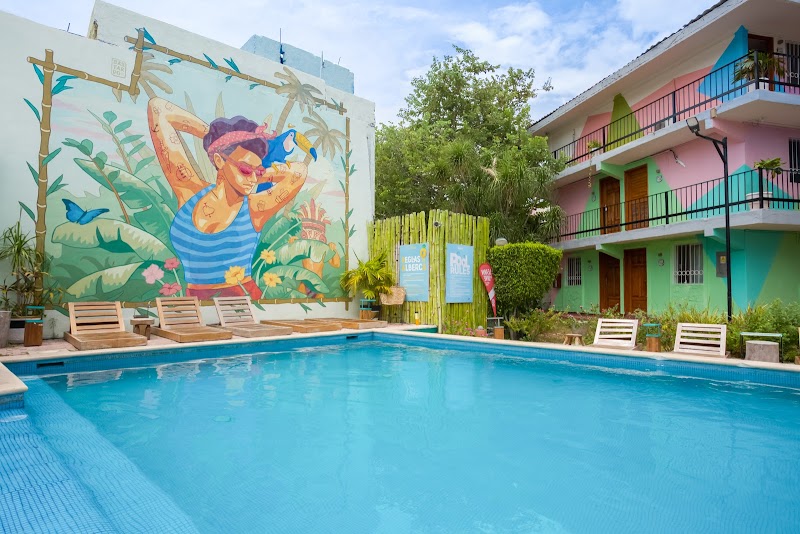
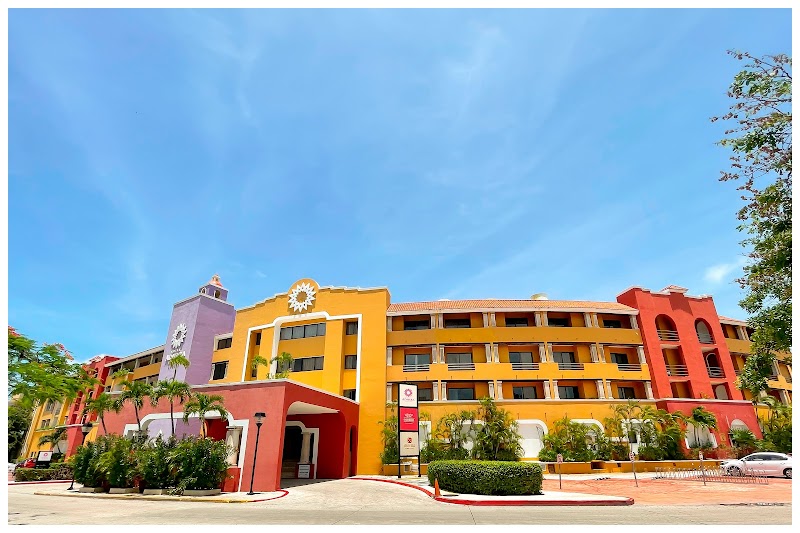
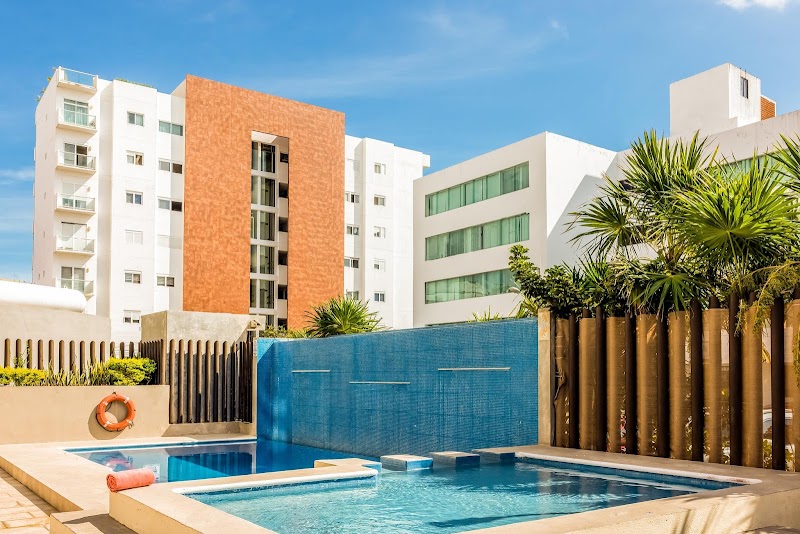
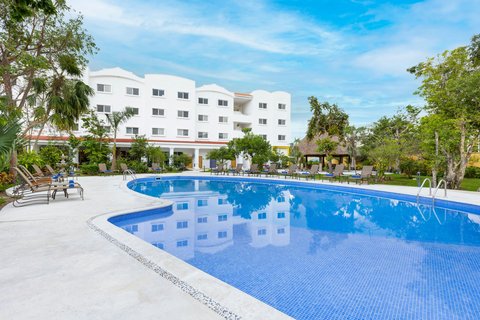
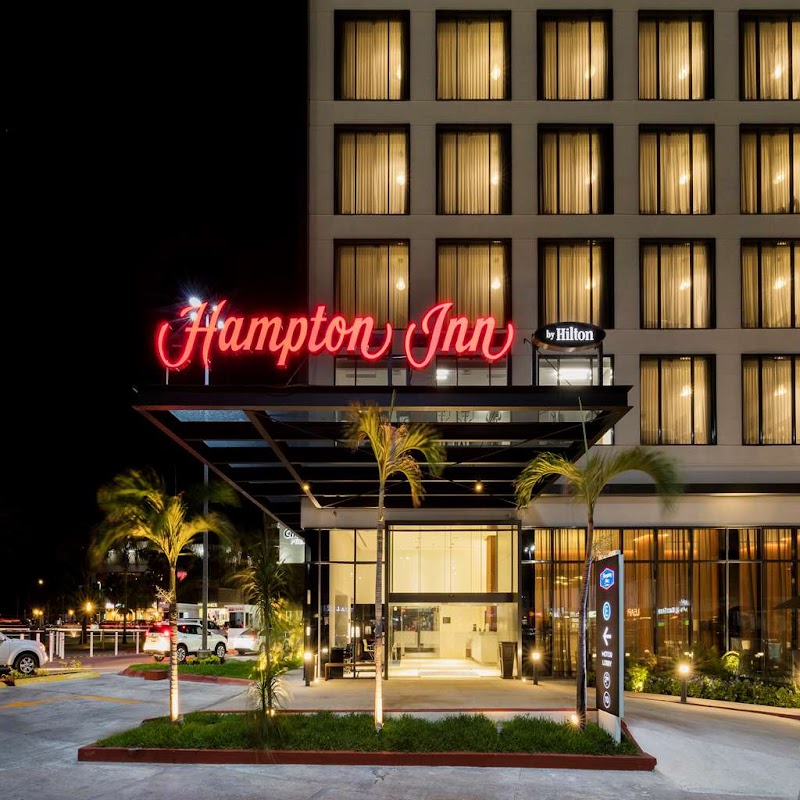
The downtown hotel market serves three distinct segments. The first is budget travelers — backpackers, long-term visitors, and price-conscious families — for whom properties like Selina, Hostel Mundo Joven, and the smaller boutique hotels along Avenida Yaxchilán represent excellent value. The second is business travelers, for whom the Wyndham Garden, Hampton Inn, and Courtyard by Marriott provide international chain reliability at reasonable rates within walking distance of the city's commercial and government center. The third is growing: independent-minded leisure travelers who actively prefer urban neighborhoods to resort corridors and treat downtown as a base for authentic Mexico experiences rather than as a compromise.
Food is downtown Cancún's strongest argument over the Hotel Zone. The stretch of Avenida Yaxchilán between the bus terminal and Parque de las Palapas is the city's most concentrated dining corridor — cochinita pibil tacos at El Tigre, fresh ceviche at the market stalls in Mercado 28, poc chuc and panuchas at the traditional Yucatecan restaurants that have operated since before the Hotel Zone existed. Dinner for two at any of these establishments rarely exceeds $15-20. The craft cocktail and mezcal bar scene around Parque de las Palapas has developed significantly over the past five years, with several genuinely excellent bars serving Oaxacan mezcal and local spirits at prices that make Hotel Zone bar bills look absurd.
The R-1 and R-2 bus lines are the practical backbone of a downtown Cancún stay. Both run from the downtown bus terminal along Avenida Tulum, cross into the Hotel Zone at the southern causeway, and travel the full length of Kukulkán Boulevard to the Zone's northern end. The R-1 stops at every major Hotel Zone property and public beach access point. The journey from downtown center to the northern Hotel Zone beaches takes 25-35 minutes; to the central Zone it's 20-25 minutes. Buses run from approximately 5:30am to midnight, and the service is frequent enough during daytime that wait times rarely exceed 10 minutes.
Practical considerations for downtown stays: the neighborhood around Parque de las Palapas and the tourist market area of Mercado 28 is safe for tourist activity day and evening. The streets further from these anchors require normal urban awareness — nothing unusual for Mexico's mid-sized cities. The main Avenida Tulum is well-lit, busy until late, and perfectly walkable. Taxis from downtown to the Hotel Zone have established zone rates; Uber is widely available and cheaper.
For travelers interested in accessing Cancún's cultural sites — the Museo Maya de Cancún at km 16.5 in the Zone, the El Rey ruins nearby, or the ferry to Isla Mujeres from Puerto Juárez — a downtown base is actually better positioned than most Hotel Zone hotels, since Puerto Juárez is effectively downtown and the Museo Maya is a $3 bus ride away.