Budapest sits above a geological fault line where thermal water reaches the surface at temperatures between 21°C and 76°C, creating the natural resource that has defined the city's culture for two millennia. The Romans built Aquincum around the springs at what is now Óbuda; the Ottoman occupation of the 16th and 17th centuries added the hammam tradition (the Rudas and Veli Bej baths are Ottoman survivals); the Austro-Hungarian era of the late 19th century produced the most architecturally extraordinary bathing halls in Europe — Széchenyi, Gellért, Lukács — and established thermal bathing as a central feature of Budapesti daily life rather than a tourist attraction.
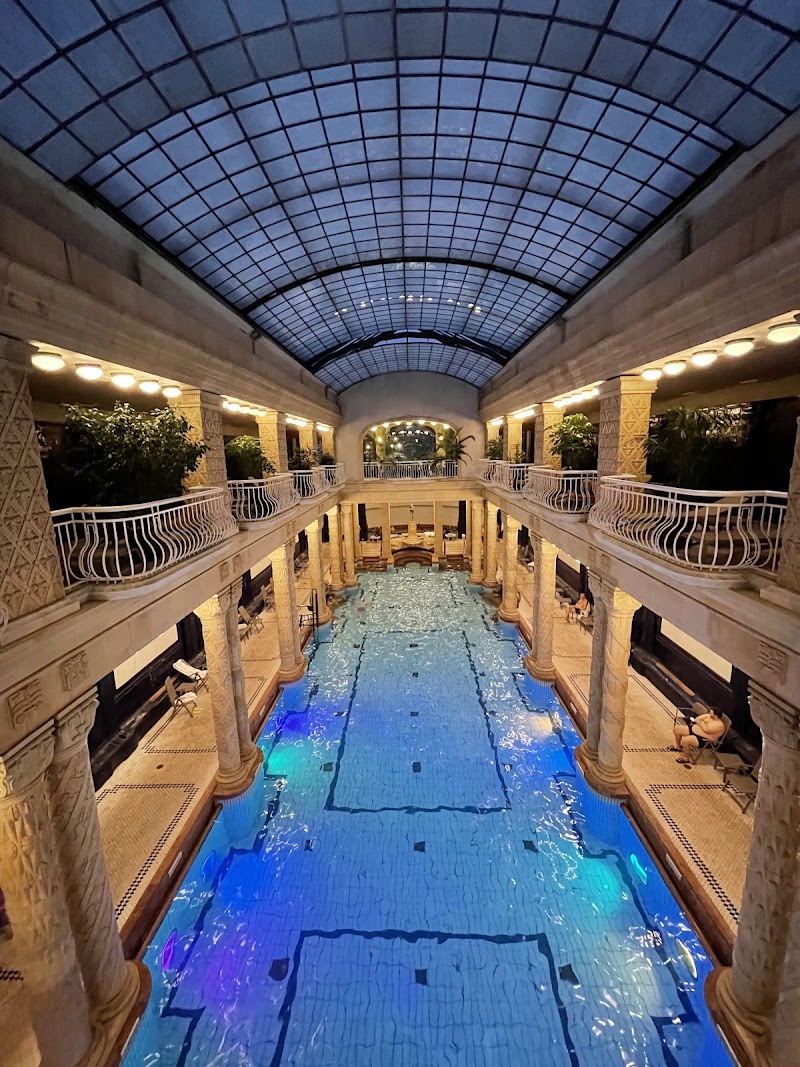
The best hotel for thermal bath access in Budapest is the Danubius Hotel Gellért, which occupies a section of the Art Nouveau Gellért Baths complex directly — guests have free or subsidised access to what is architecturally the most beautiful public thermal facility in the world. The main pool, with its vaulted ceiling, carved stone lions, and marble columns, has been photographed so often that the images have become clichéd; the experience of actually bathing here, particularly in the early morning before the tourist groups arrive, remains genuinely extraordinary. The hotel's rooms are in need of renovation, but the bath access alone justifies the stay for thermal bath pilgrims.
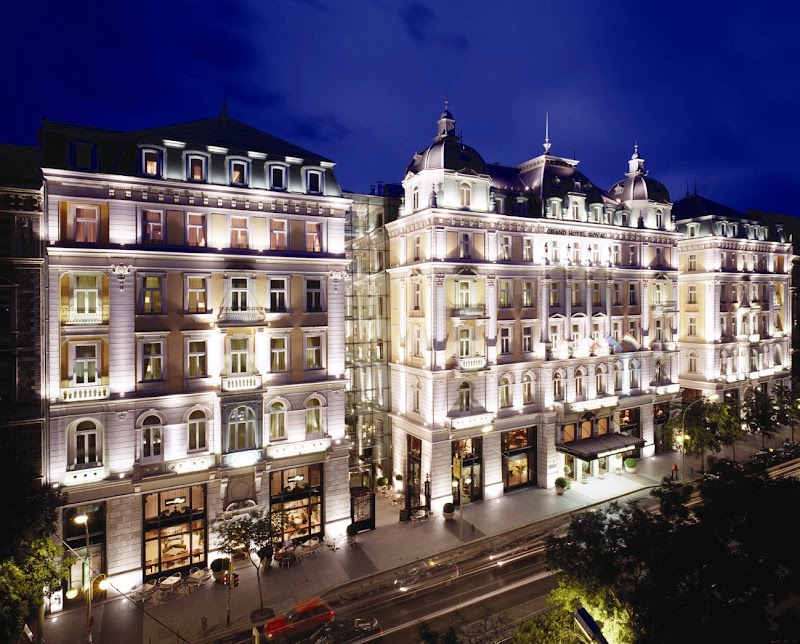
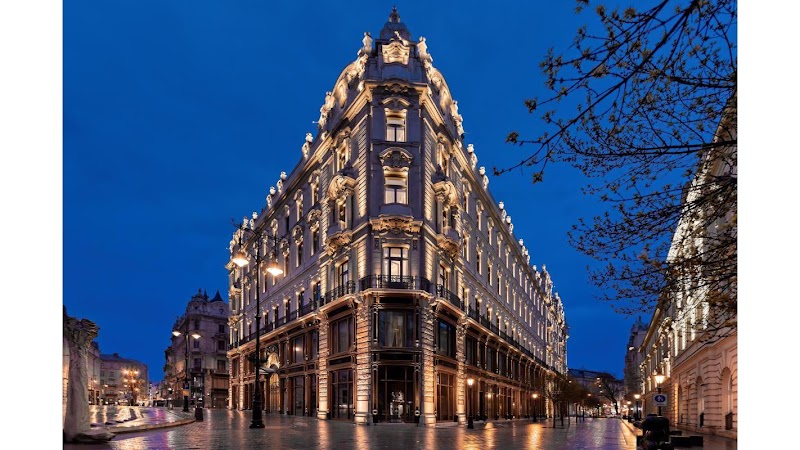
The Corinthia Budapest offers the city's best hotel-internal thermal spa — a grand indoor thermal pool complex beneath the hotel, rebuilt around the original 19th-century Turkish-influenced pools. The Corinthia Royal Spa is genuinely impressive in scale and design; unlike the public baths, it serves only hotel guests, meaning you're unlikely to share a pool with more than a few dozen other people even in peak season. The hotel itself is one of Budapest's great Historicist palaces (1896), the former Grand Hotel Royal, with a particularly spectacular lobby staircase.
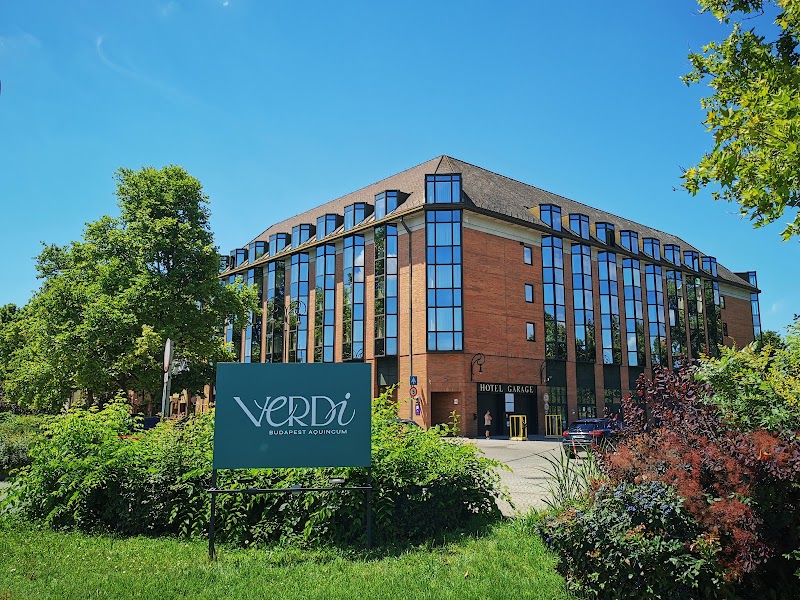
For those specifically seeking a thermal spa hotel on the Buda side — where the most historically significant springs are concentrated — the Aquincum Hotel in Óbuda provides direct access to the thermal facilities above which it is built. The hotel's own spring feeds a swimming and thermal pool complex; the Óbuda neighbourhood is quieter and more residential than Pest's tourist centre. The Roman ruins of Aquincum are a short walk away.
The public bath experience is equally important to understand for hotel selection. Széchenyi (City Park, Pest) is the largest and most accessible — 15 outdoor and indoor pools, thermal pools up to 38°C, and a chess-playing tradition that produces the most photographed scene in Budapest's bathing culture. Rudas (Buda, below Gellért Hill) is the most atmospheric — a 16th-century Ottoman dome over a central circular pool, filtered light through starry apertures in the ceiling. Lukács (Buda, northern) is the most local, least touristy, and arguably the most medically serious — chronic illness sufferers have been coming here for a century.
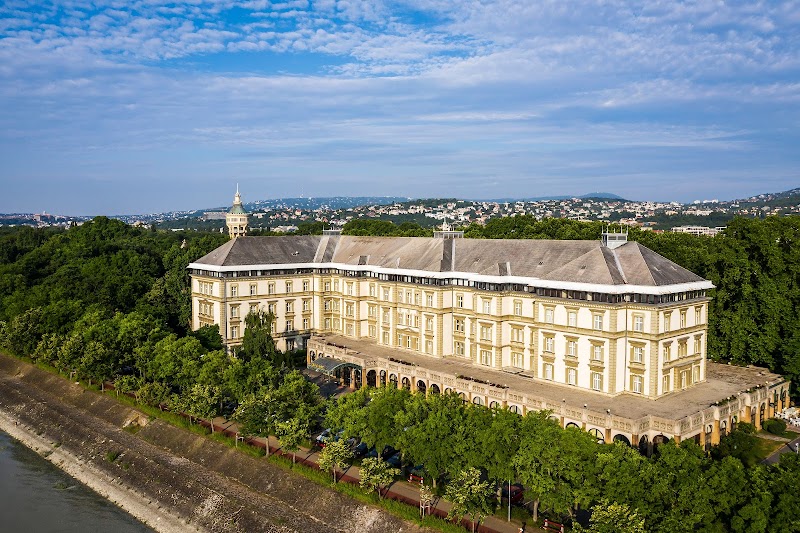
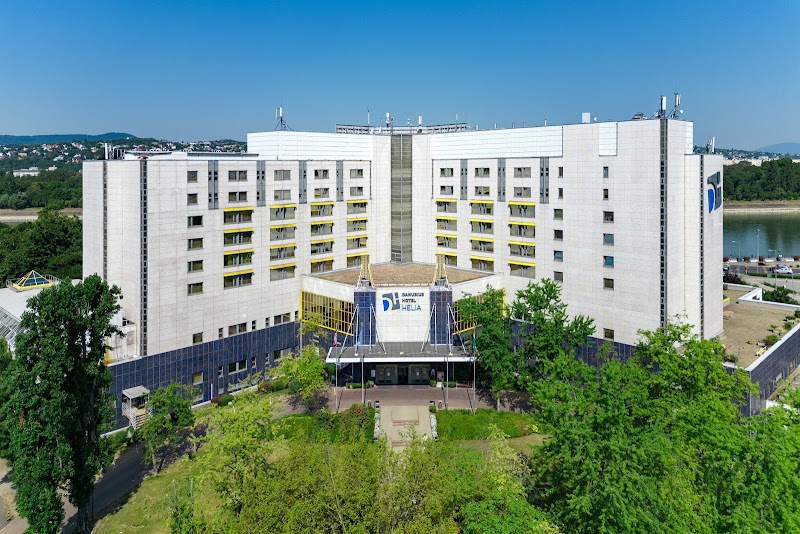
Wellness hotels in Budapest have developed alongside the thermal tradition — properties offering full spa programmes (massage, hydrotherapy, flotation) alongside thermal access. The Budapest Marriott's Corvin Club fitness and spa and the Danubius Health Spa Resort on Margaret Island are the most comprehensive. Margaret Island itself — the green island in the Danube between Buda and Pest — hosts several thermal-focused properties in a car-free park setting that's unique in a European capital.
Thermal bathing etiquette for first-timers: bring or rent a towel (€2–3 at most baths), expect to rent a locker and changing facilities separately from pool admission, and respect the local custom of not splashing or swimming lengths in the thermal pools — they're for soaking and conversation, not exercise. The outdoor swimming pools at Széchenyi and Palatinus on Margaret Island are for active swimming.