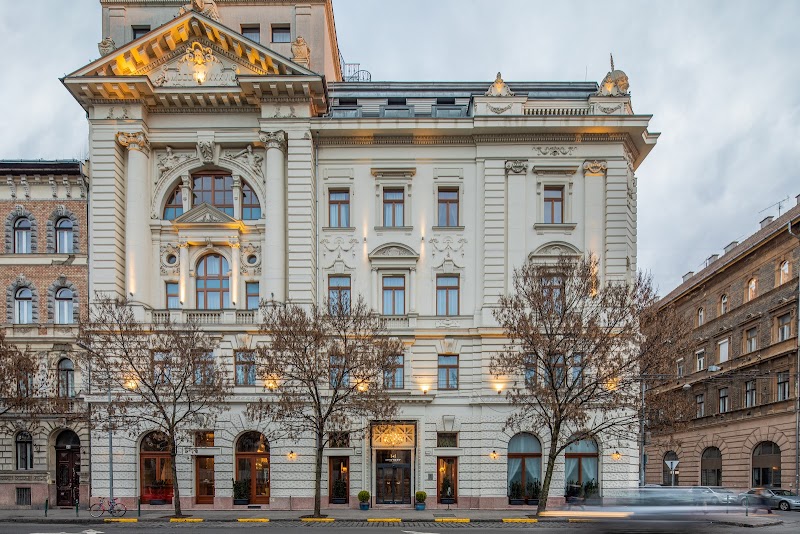
Budapest's luxury hotel landscape is defined by one extraordinary fact: the city has more genuinely spectacular Historicist and Art Nouveau buildings available for conversion than almost any other European capital. The Habsburg era produced a wave of architectural investment from the 1880s to the 1910s that rivals anything in Vienna or Paris — and decades of communist administration followed by post-1989 neglect left many of these buildings available for restoration at prices that justified the investment. The results are some of the most extraordinary hotel conversions in Europe.
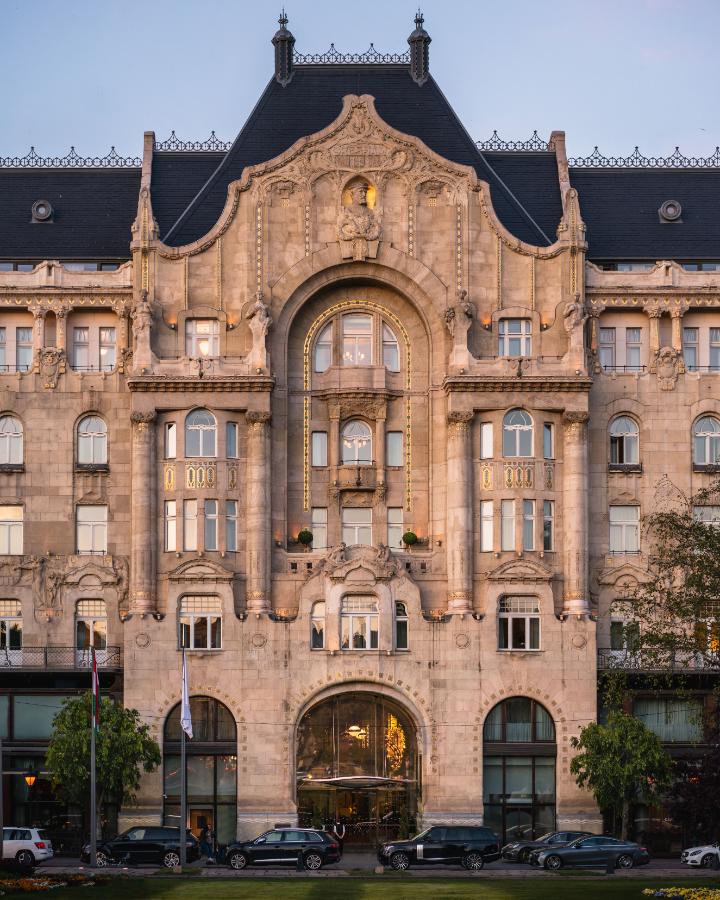
The Four Seasons Hotel Gresham Palace is the archetype. The 1906 palace — built by a British insurance company in the Zsolnay-tiled, peacock-gated Art Nouveau style — deteriorated to near-dereliction by the 1990s. Four Seasons' restoration uncovered original Miksa Róth stained glass, geometric mosaic floors, and peacock details that had been painted over or plastered across. The resulting 179-room hotel faces the Chain Bridge and Buda Castle across the Danube — the most iconic view in Budapest, at the hotel's most iconic address. The Gresham is a legitimate case study in what luxury hotel restoration can achieve when done without compromise.
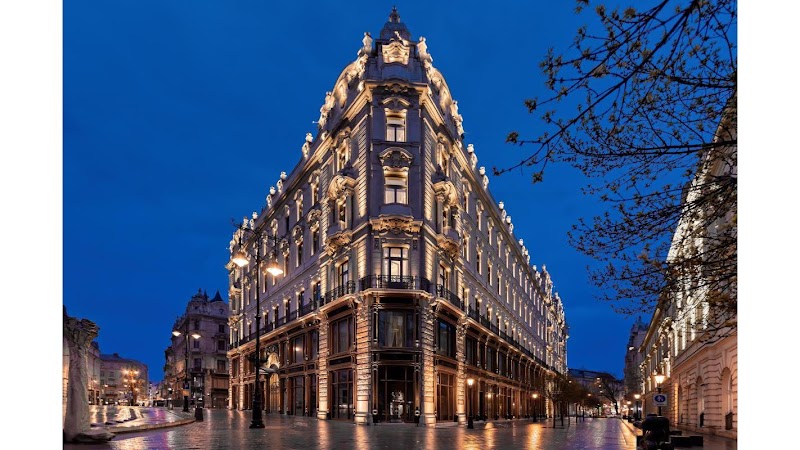
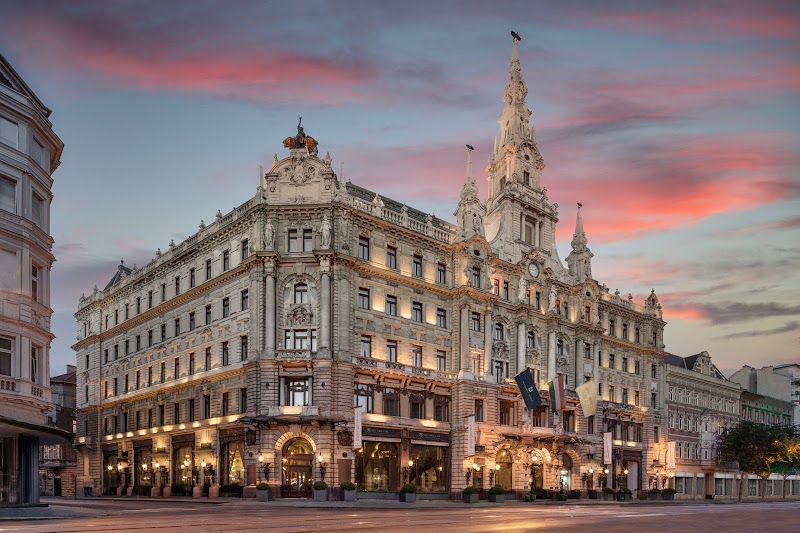
Matild Palace, which opened in 2022 as a Marriott Luxury Collection property, is the decade's most anticipated Budapest hotel opening. The 1901 neo-baroque palace at Elizabeth Bridge had sat deteriorating for years before an extended restoration finally produced a hotel that meets the building's promise. The Duchess Restaurant — anchored by a chef with Wolfgang Puck lineage — is among Budapest's best new dining rooms; the Matild Café, with its gilded ceilings and Hungarian pastry tradition, is immediately one of the city's most beautiful public spaces. The property's location between the V and V districts makes it the most centrally positioned of the luxury tier.
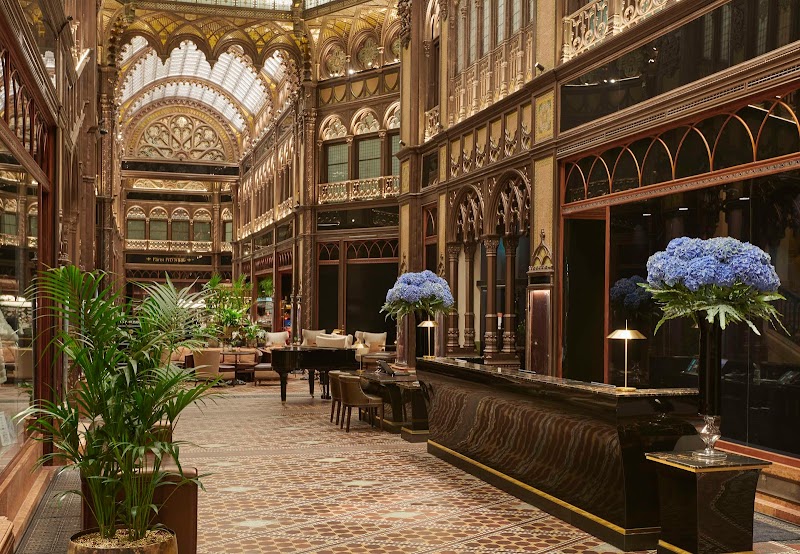
The Párisi Udvar is perhaps the most remarkable building in Budapest's luxury portfolio — a 1909 covered passage with a full Moorish-Gothic atrium, its tiled vaults and wrought-iron galleries creating an interior space that belongs in an architectural history textbook. Now operating as an Hyatt Unbound Collection property, its 110 rooms are well-designed without overwhelming the building's extraordinary character. The atrium café is the most atmospheric hotel bar space in Hungary.
The Aria Hotel Budapest executes the most original concept in the city's luxury market — a music-themed boutique property with four wings dedicated to jazz, classical, opera, and contemporary music, each room themed around a specific artist or composer. The High Note SkyBar on the rooftop, with its views of St. Stephen's Basilica and Andrássy Boulevard, is consistently rated among Budapest's best outdoor experiences. Conceptually ambitious and well-executed, the Aria is the natural choice for travellers who find standard luxury hotels interchangeable.
Budapest's luxury hotel thermal bath question is worth addressing directly: unlike some cities where hotel spa facilities are a box-ticking exercise, Budapest's luxury hotels occupy a city where thermal bathing is a genuine cultural institution. The Corinthia Budapest has the finest hotel thermal spa, built around its original 19th-century Turkish-influenced pools. The Four Seasons Gresham doesn't have its own thermal facilities but the Széchenyi and Gellért baths are within easy taxi range. Most luxury hotels offer spa services that draw on the city's thermal spring tradition.
Pricing remains Budapest's greatest luxury advantage. The Four Seasons Gresham at €350–600/night represents extraordinary value by European capital standards; Matild Palace at €280–500/night is genuinely competitive. Vienna equivalents cost 50–80% more for comparable or inferior buildings. This differential makes Budapest a natural destination for luxury travellers who feel Paris and London no longer deliver value at the top end.