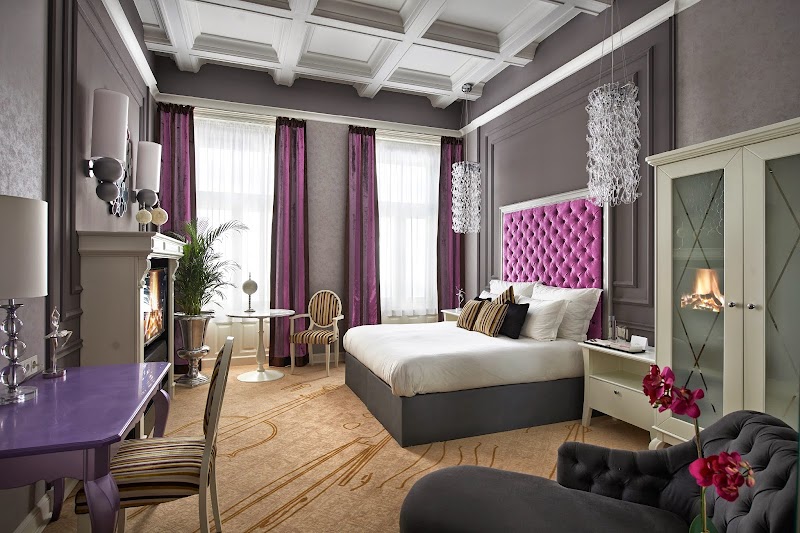
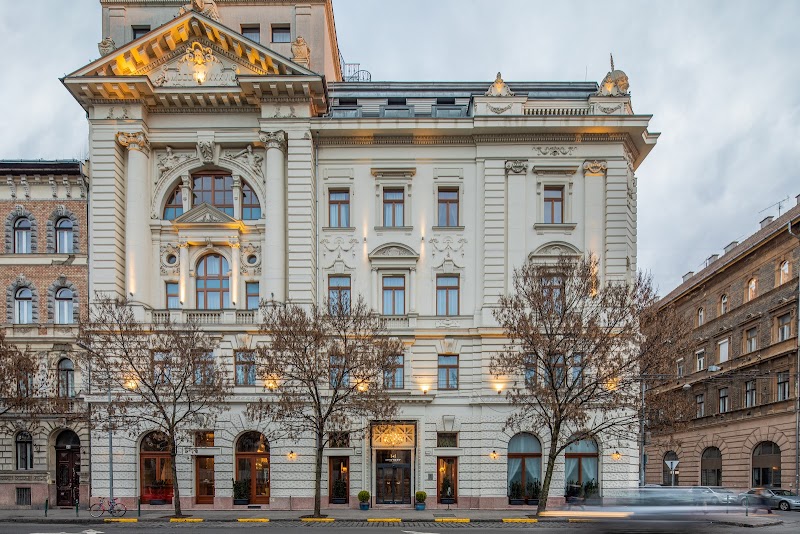
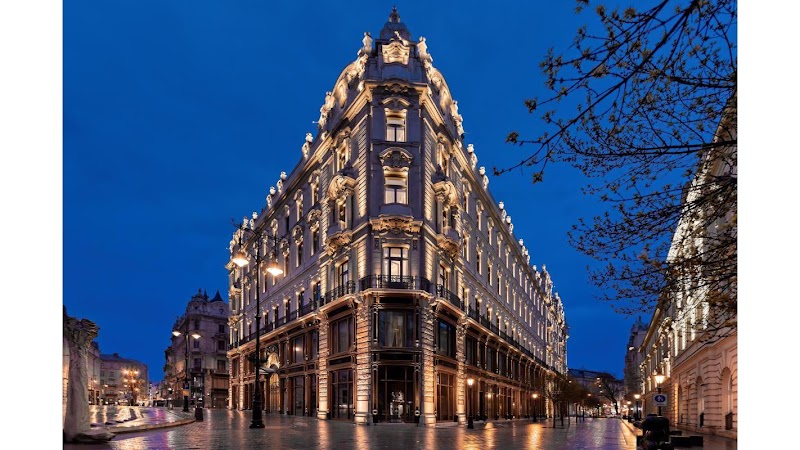
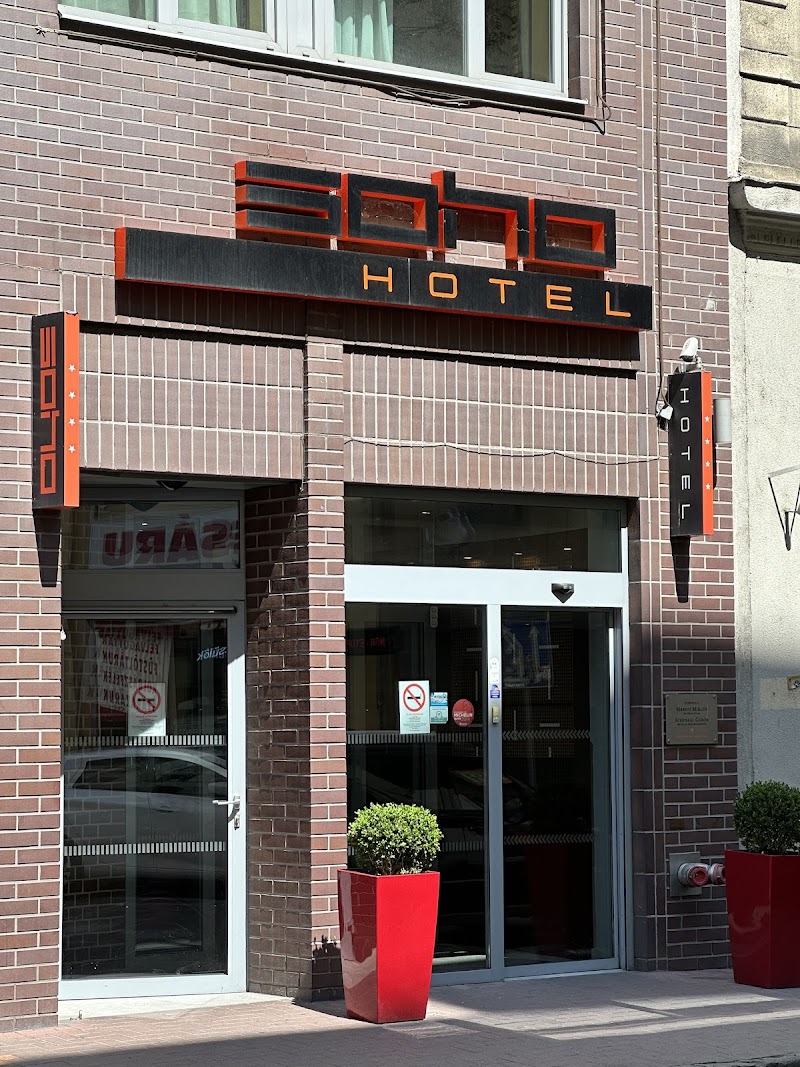
Budapest's boutique hotel scene is anchored by a characteristic that distinguishes it from most European cities: the volume and quality of genuinely interesting buildings available for conversion. The 1880–1910 construction boom that accompanied the Austro-Hungarian millennium celebrations produced a dense inventory of Historicist, Jugendstil, and early modernist buildings across all of central Pest's districts. Many of these buildings have been converted to hotels and apartments since 2000; the best boutique operators have found the balance between preserving architectural heritage and delivering modern comfort.
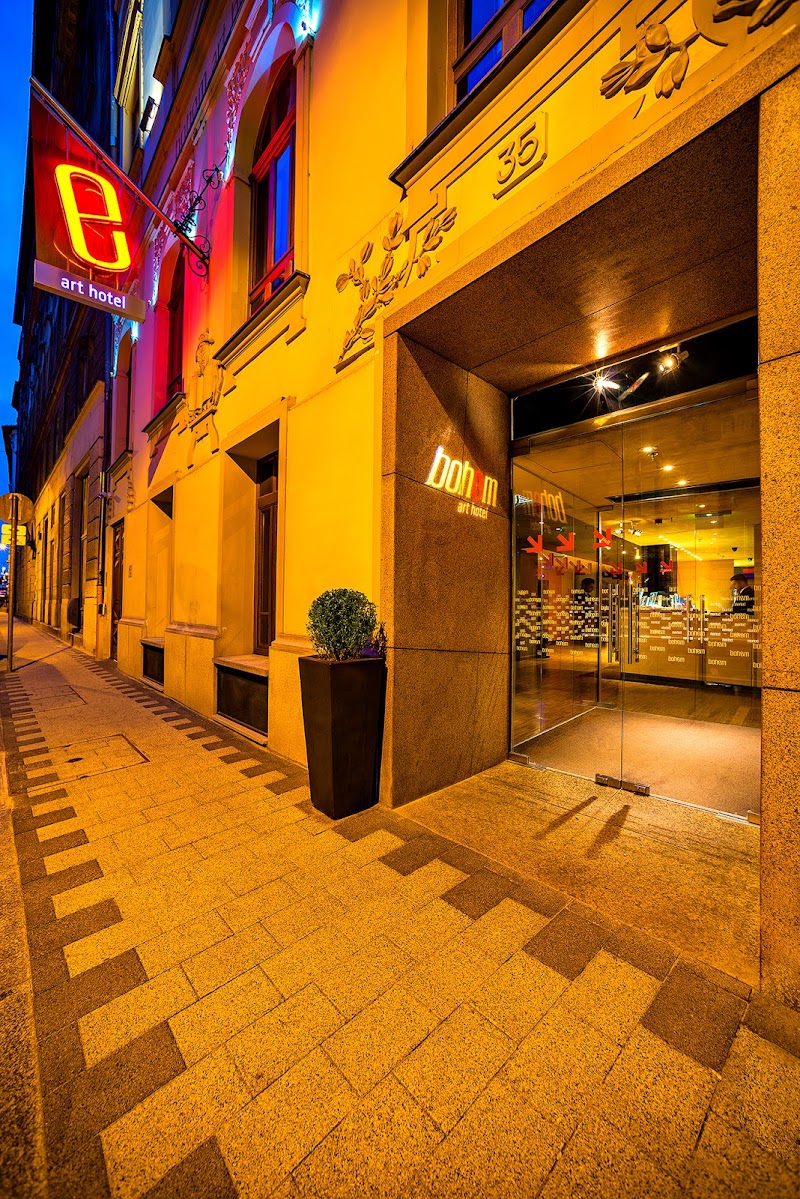
The VII district (Erzsébetváros) is the most natural boutique hotel territory in the city — the former Jewish Quarter, now Budapest's ruin bar and independent culture district, has a layered visual character (faded tenement buildings, street art, eclectic small shops) that rewards boutique hotel design more than the V district's grand tourist strip. Mystery Hotel Budapest, in a converted police headquarters, is the most executed concept; Bohem Art Hotel, with its commissioned street art programme, is the most community-integrated.
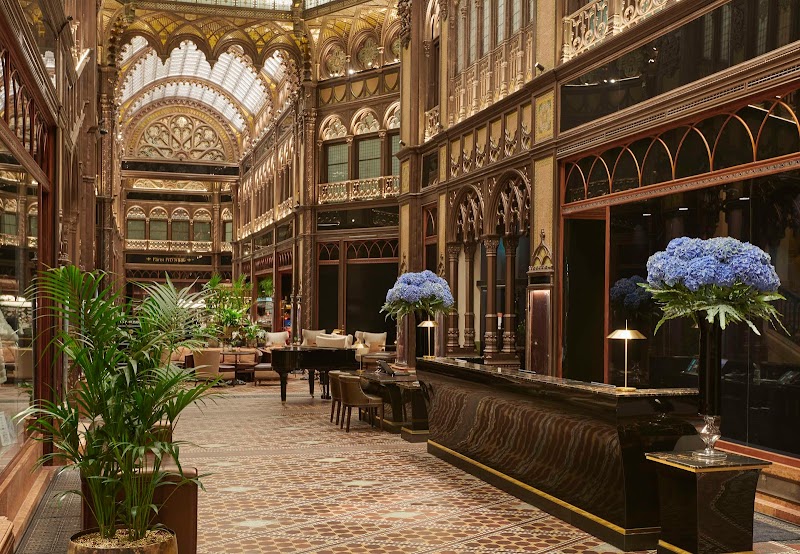
The V district's boutique layer sits below the luxury tier and above the budget level — properties like Párisi Udvar and Aria Hotel operate at premium boutique pricing, justified by extraordinary buildings (the 1909 Moorish passage, the music-themed conversion) and positions within walking distance of the Chain Bridge and the main embankment. These properties demonstrate that boutique in Budapest doesn't mean sacrificing location.
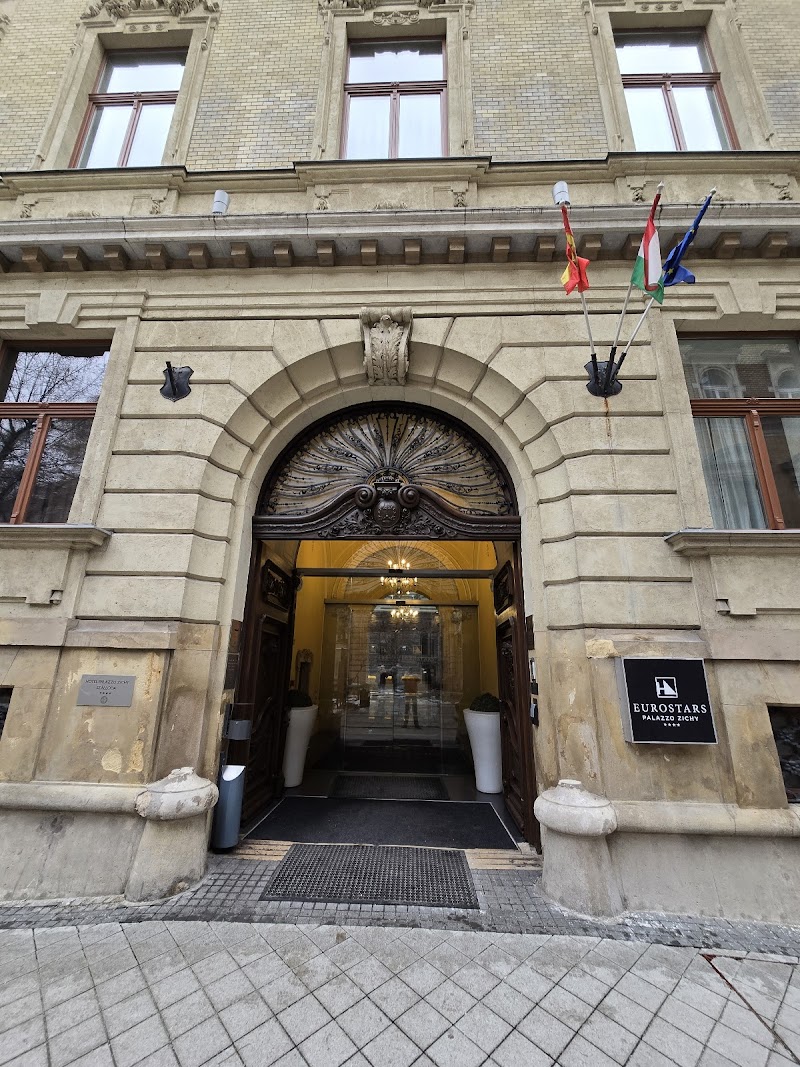
The VIII district (Józsefváros) and IX district (Ferencváros) are emerging boutique territories as both neighbourhoods undergo the regeneration that transformed the VII district a decade earlier. Palazzo Zichy in the VIII district is the most accomplished conversion — a genuine noble palace with a courtyard garden, 80 well-designed rooms, and prices that reflect the district's lower profile rather than the building's actual quality. As the IX district's Corvin Promenade and the VIII's cultural venues attract more independent visitors, the boutique hotel stock in these areas will expand.
Boutique hotel breakfast quality in Budapest is generally excellent — the city's pastry culture (the combination of Hungarian sweet bread traditions and Austro-Hungarian café heritage) produces hotel breakfasts that typically include better baked goods than most Western European equivalents. The Matild Palace Café and the New York Café (attached to its hotel) are the most spectacular breakfast rooms in the city; smaller boutique properties like Palazzo Zichy and Mystery Hotel typically offer good-quality breakfasts in their courtyard or dining rooms.