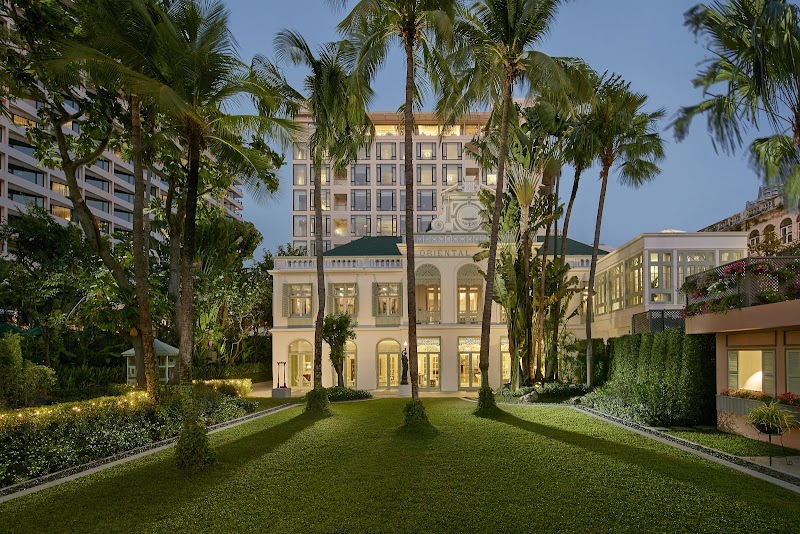
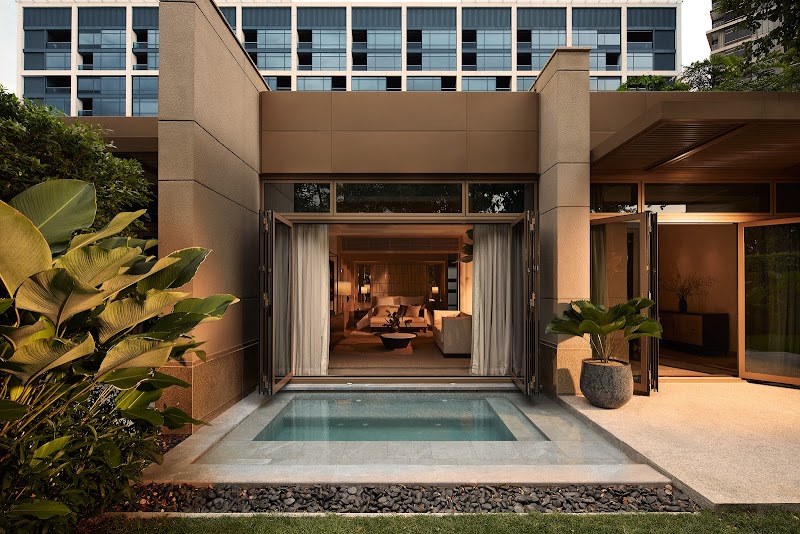
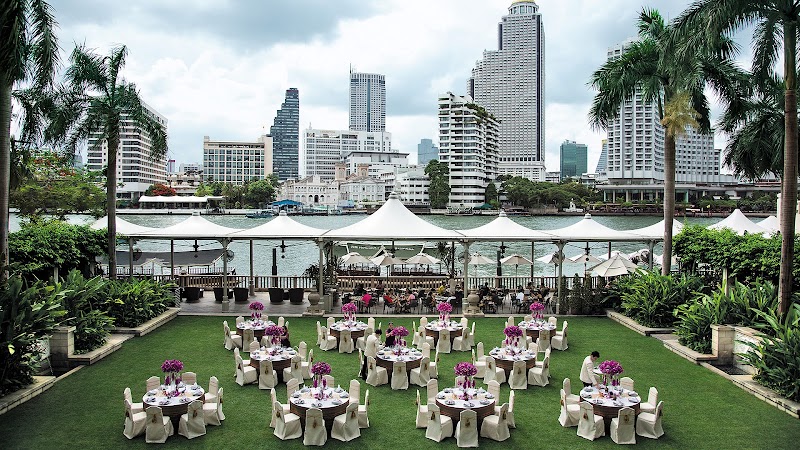
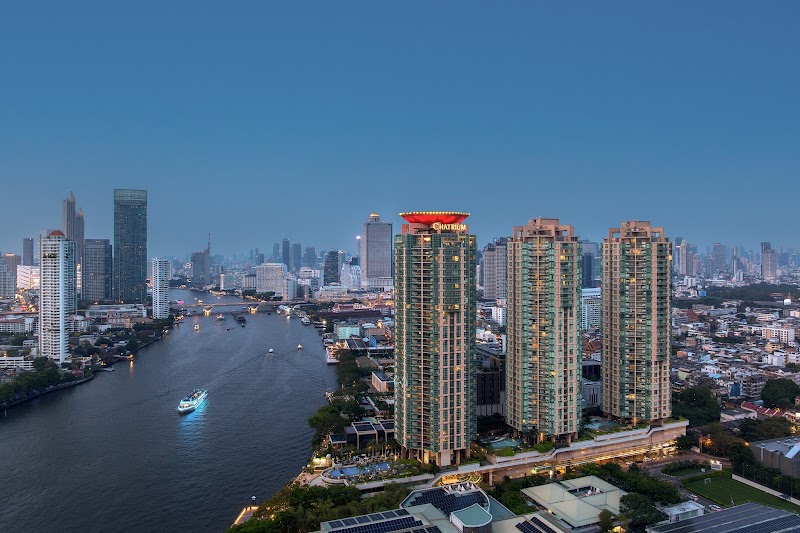
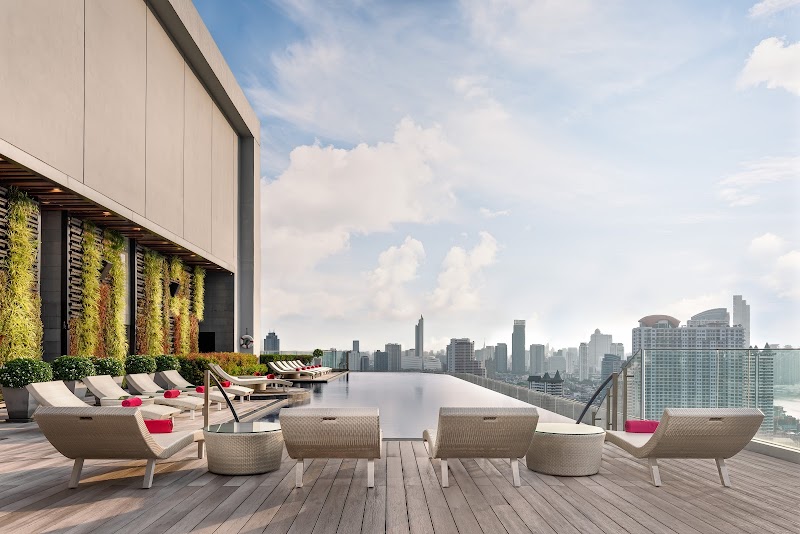
The Chao Phraya — the River of Kings — flows through Bangkok from north to south before emptying into the Gulf of Thailand. The riverside hotel zone extends from the Rama VIII Bridge in the north (where the arts district is developing) through the traditional hotel corridor at Charoen Krung and the Mandarin Oriental, past the Sathorn area, to the Asiatique riverfront development at the southern end.
The riverside hotel experience is defined by the river itself: the early-morning mist that sits on the water, the orange-robed monks collecting alms from riverboats at dawn, the evening light on the Temple of Dawn across the water, the constant movement of long-tail boats, rice barges, and hotel ferries. A riverside guestroom with the right orientation provides access to a film that changes every hour of every day — something no inland property can replicate.
The most important distinction within the riverside hotel zone is between the Bangkok bank (east side) and the Thonburi bank (west side). The Bangkok bank — where the Mandarin Oriental and Capella are located — has the historical hotel tradition and direct road connections to the Silom business district. The Thonburi bank (Peninsula Bangkok, Avani Riverside) offers equivalent or better river views, greater tranquillity, and privacy from the Bangkok bank traffic, accessed via the hotels' private ferry services.
The river's practical advantages for hotel guests extend to transport: the Chao Phraya Express Boat and the hotel private ferries provide access to the Grand Palace (Tha Chang pier), Wat Pho (Tha Tien pier), and the Asiatique night market (Sathorn pier to shuttle ferry) without touching Bangkok's road traffic. At peak hour, a river journey of 20 minutes covers ground that would take a taxi an hour.
The area around Charoenkrung Road — where the Capella and a cluster of new boutique properties have established a 'new riverside' zone — has transformed from a neglected heritage district into Bangkok's most interesting arts and design neighbourhood. The Bangkok Art Biennale has accelerated this transformation, and the streetscape of 19th-century Sino-Portuguese shophouses, artist studios, and carefully restored commercial buildings creates a riverside hotel experience that combines historical richness with contemporary cultural energy.