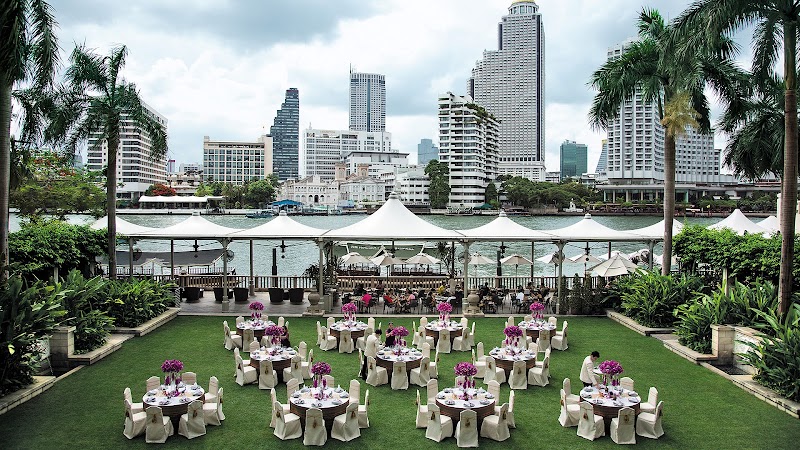
Bangkok's view landscape is dominated by the Chao Phraya River, which bends through the historic center in a series of curves that have defined the city's orientation since the founding of Rattanakosin Island in 1782. The Grand Palace complex and Wat Phra Kaew, Wat Pho (the Temple of the Reclining Buddha), and Wat Arun (Temple of Dawn) are all situated on or near the river's main bend, and the view from the river — on a long-tail boat or the Chao Phraya Express ferry — captures these temple complexes in their original relationship to the water that was their historic supply route.
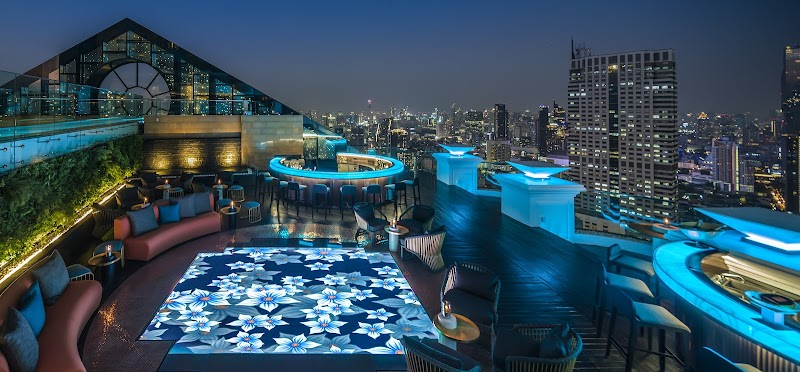
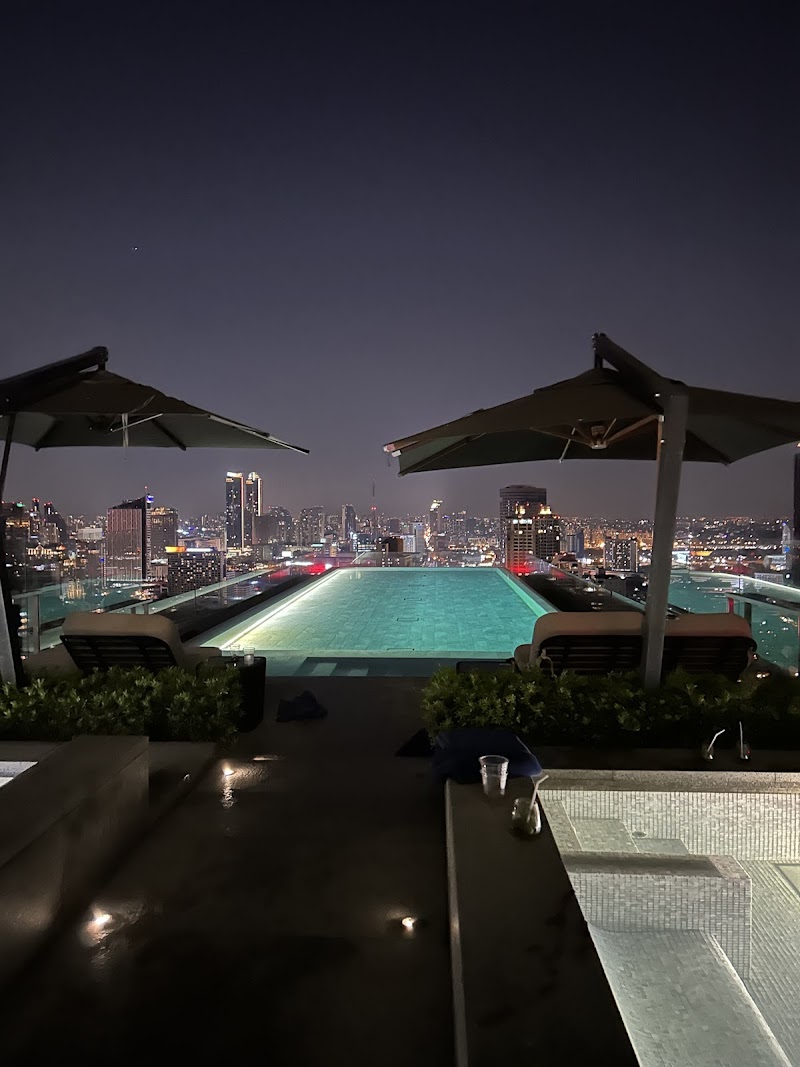
The elevated view from Bangkok's luxury hotel towers has transformed the city's skyline narrative significantly since 2000. The Lebua State Tower's sixtieth-floor Sky Bar (made globally famous by the Hangover II filming) provides the most celebrated Bangkok rooftop experience — the view from the circular outdoor bar encompasses the Chao Phraya bends to the west, the Silom CBD towers to the north, and the low-rise residential sprawl extending east to the horizon. The experience of Bangkok from 250 meters is simultaneously humbling (the city's scale is hard to grasp from street level) and beautiful (the temple rooftops catch the light between the modern towers in ways visible only from above).
The Rattanakosin Island area — the historic core enclosed by the city's original canal system — provides the most historically concentrated view context. From the Golden Mount (Phu Khao Thong) temple complex near Sanam Luang, Bangkok's oldest surviving artificial hill at 58 meters, the view encompasses the Grand Palace's rooftop pinnacles, Wat Saket's golden chedi, the Democracy Monument, and the river bend to the south in a 360-degree historical panorama available since the 18th century.
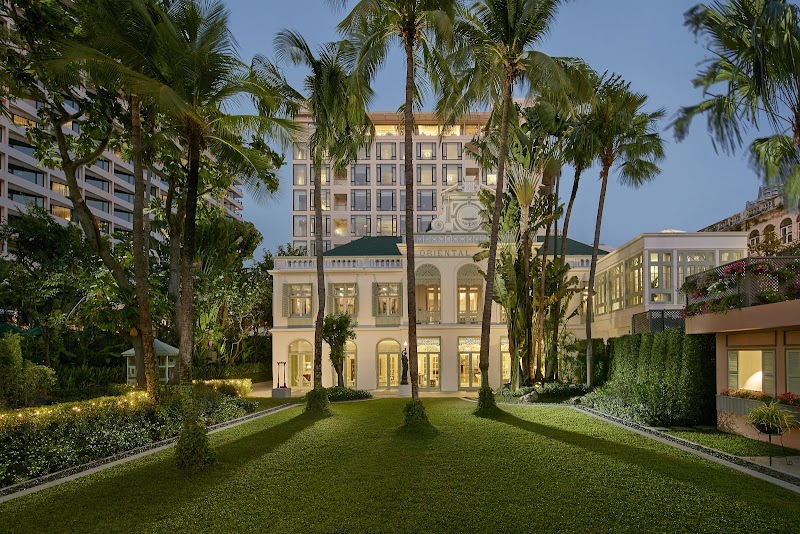
Silom and Sathorn, Bangkok's commercial and financial district immediately south of the historic core, is where the city's contemporary hotel architecture has concentrated. The Chao Phraya is visible to the west from the upper floors of these tower hotels, and the temple complexes of Rattanakosin are clearly visible on clear days — the visual juxtaposition of medieval religious architecture against glass commercial towers is Bangkok's defining image and is best appreciated from the mid-height floors of Silom hotels facing northwest.
Bangkok's view quality varies dramatically with air quality. The dry cool season (November–February) provides the clearest views — the combination of low humidity, northeast monsoon winds, and reduced agricultural burning in the surrounding provinces clears the air sufficiently to see the distant Khao Yai hills visible as a faint blue ridge 200km northeast. The rainy season (June–October) brings lower visibility but also dramatic storm formations — the monsoon cumulus clouds building over the Bangkok plain and the dramatic quality of the light during and after tropical downpours produces photography opportunities that clear-sky conditions cannot.