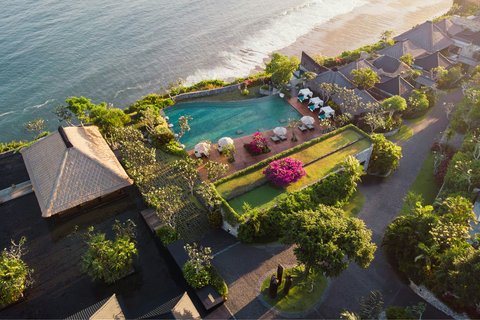
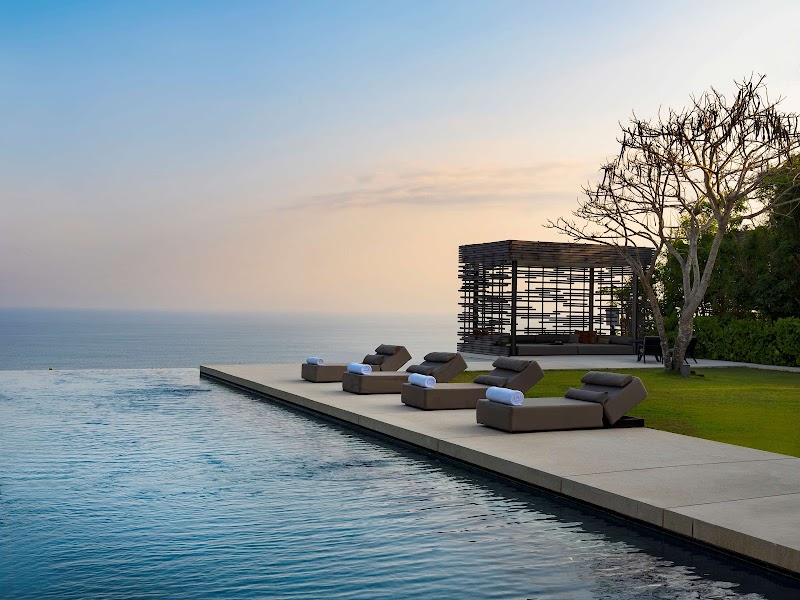
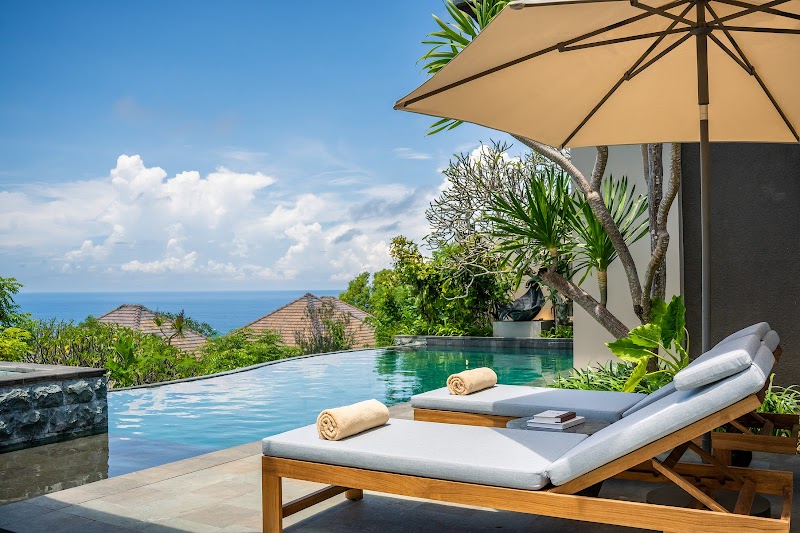
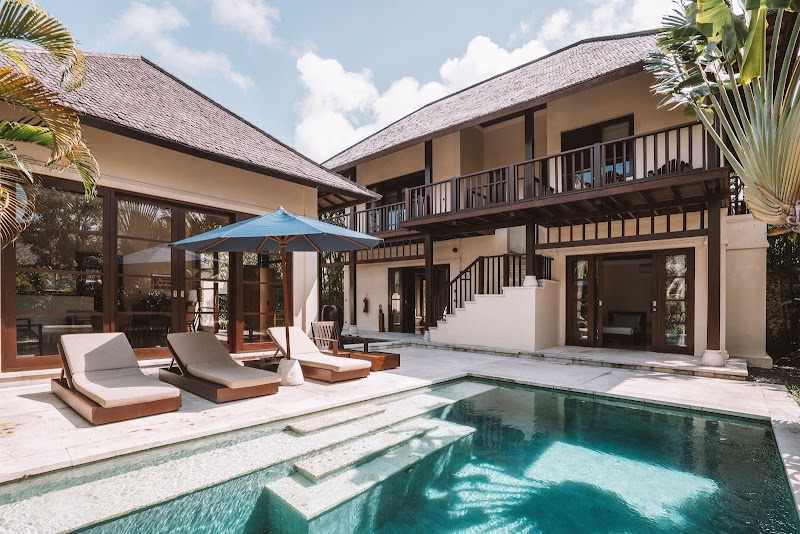
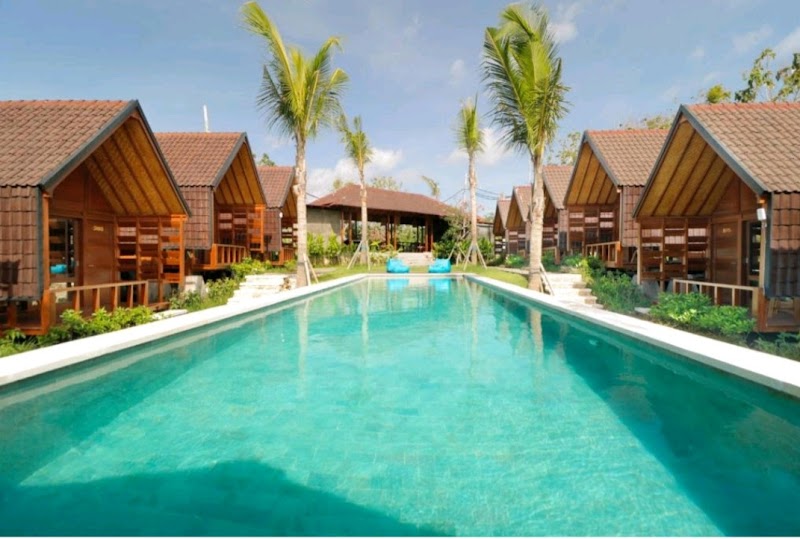
Uluwatu's geography is its defining feature and its primary hospitality asset. The Bukit Peninsula's southern tip juts into the Indian Ocean on a foundation of white limestone that has been sculpted by millennia of wave action into a coastline of dramatic crags, sea caves, and hidden cove beaches accessible by steep cliff staircases. Hotels that sit on the clifftop have the most visually extraordinary settings in Bali — some of the most extraordinary in Southeast Asia — and the best have designed their architecture specifically around this terrain.
The surf culture is integral to Uluwatu's identity. The famous Uluwatu reef break, consistently ranked among the world's top ten surf spots, has attracted professional surfers and dedicated amateurs since the 1970s. The break produces long, powerful left-handers that can exceed 6 metres in height during the dry season swells, and the temples and warungs that cling to the clifftop above create a setting that surf photographers have made iconic. Hotels range from those that cater explicitly to surfers — boards, early breakfasts, shuttle services to breaks — to ultra-luxury properties where the surf culture is simply part of the ambient context.
Beyond surfing, Uluwatu offers several of Bali's most distinctive experiences. The Uluwatu Temple itself — one of the island's six key sea temples, believed to protect Bali from evil spirits entering from the sea — is perched at the cliff edge above the surf break and stages daily Kecak fire dance performances at sunset that are among Bali's most atmospheric cultural events. The hidden beaches — Padang Padang, Bingin, Balangan — are reached by steep staircases through cliff crevices and offer white sand and turquoise water with a fraction of the crowds found at Seminyak or Kuta.
Uluwatu's restaurant and nightlife scene has matured dramatically in the past decade. The Omnia dayclub on a cliff edge, Roosterfish beach club at Bingin, and the Cashew Tree at Bingin represent a beach-club culture that is genuinely sophisticated rather than merely scenographic. Food quality throughout the Bukit has improved to match the extraordinary natural settings, with a mix of international-standard cooking and excellent local warungs.