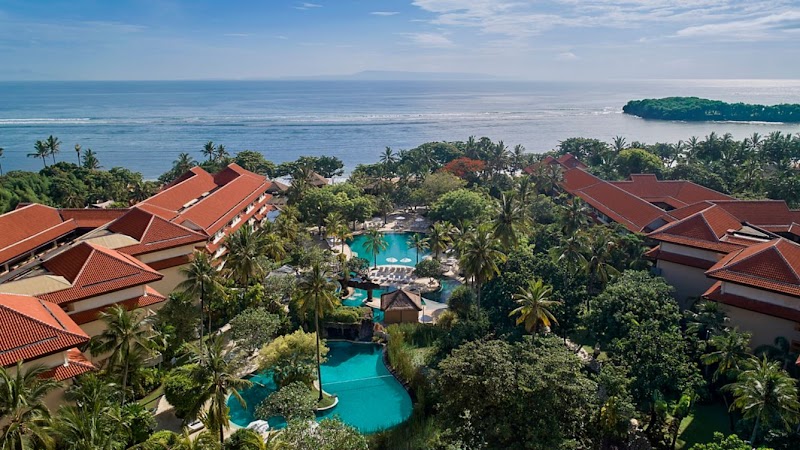
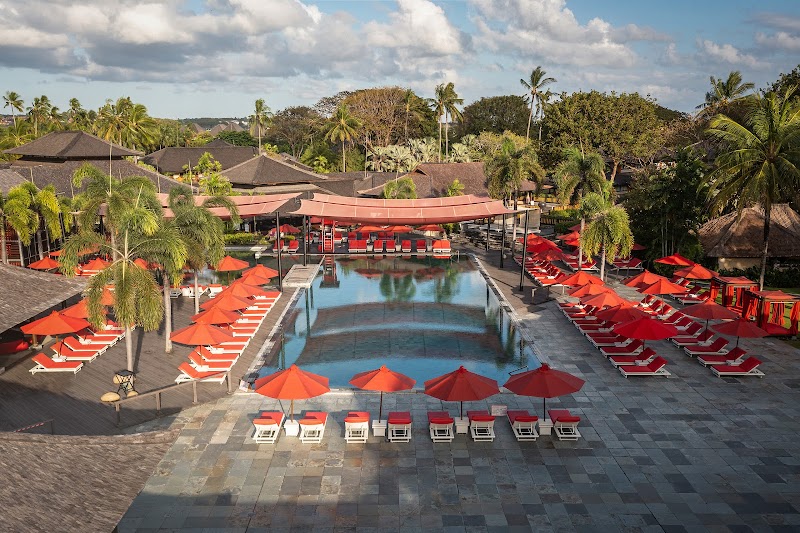
Nusa Dua's development began in the 1970s as a deliberate government strategy to attract high-spending international tourism to a controlled zone that would limit the cultural impact on the island's broader population. The result is an area that feels quite distinct from the rest of Bali — wide, immaculate boulevards, matching white garden walls, a Bali Collection shopping mall, and a golf course — with a density of five-star hotel brand names on a single stretch of coastline that rivals comparable resort zones anywhere in Asia.
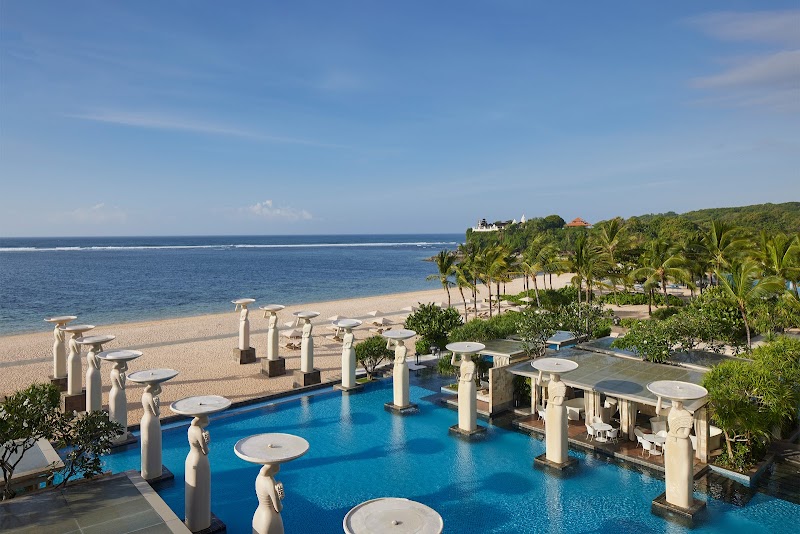
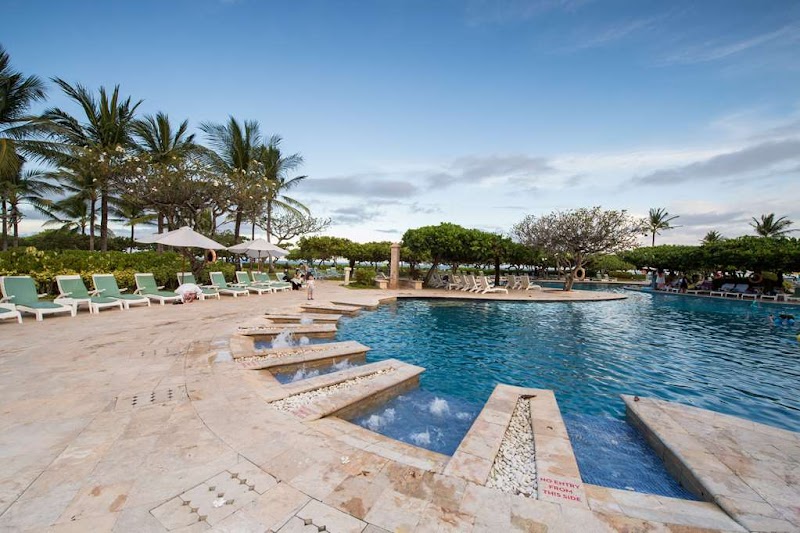
What Nusa Dua does better than anywhere else in Bali is provide complete beach resort infrastructure. The BTDC (Bali Tourism Development Corporation) zone is pedestrian-friendly, with a beachfront promenade connecting all the major hotels and allowing guests to move between properties, beaches, and restaurants on foot without negotiating traffic. The beaches themselves — protected by a long offshore reef — are Bali's safest and most consistently calm, with clear, warm water ideal for swimming, snorkelling, and non-motorised water sports. The quality of the beachfront is genuinely excellent.
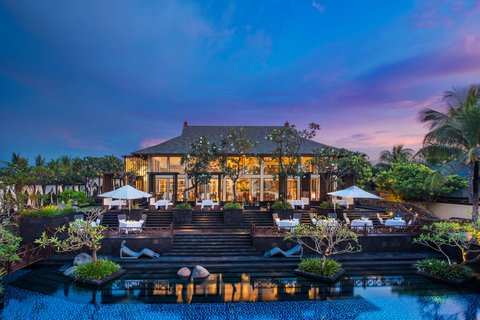
The hotel competition in Nusa Dua is fierce, and this benefits guests substantially. Properties like the St. Regis, The Mulia, the Grand Hyatt, and Nusa Dua Beach Hotel compete openly on product quality, service culture, and price — the result being that standards are pushed higher than in less competitive markets. All the major properties have undergone significant refurbishment in the last decade, and the level of physical plant across the zone is consistently excellent by global standards.
The criticism of Nusa Dua — that it is artificial, sealed from authentic Bali, and lacking the cultural texture that makes the island genuinely interesting — is fair but manageable. Day trips from Nusa Dua to Ubud, Uluwatu, Tanah Lot, and the traditional villages of the island's interior are all feasible and well-organised through hotel concierge services. The best Nusa Dua stays use the resort as a home base from which to explore the island rather than a destination in itself — at which point the quality of the accommodation and beach becomes a genuine asset rather than a gilded cage.