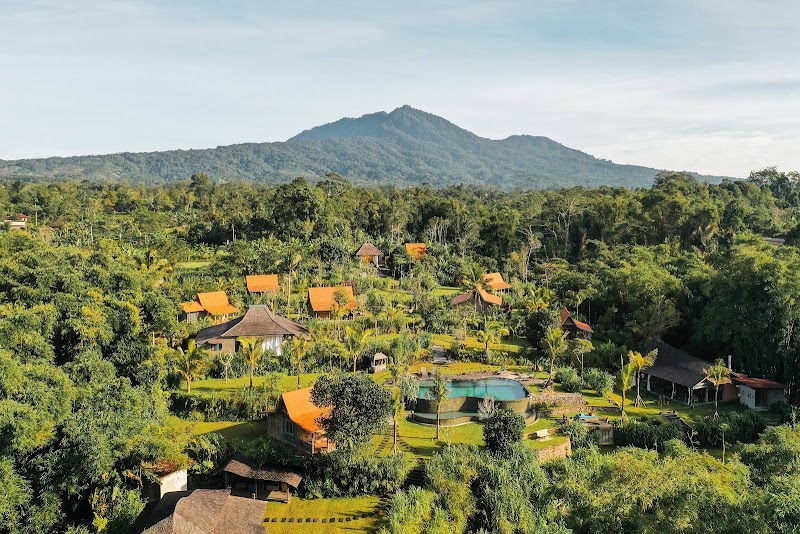
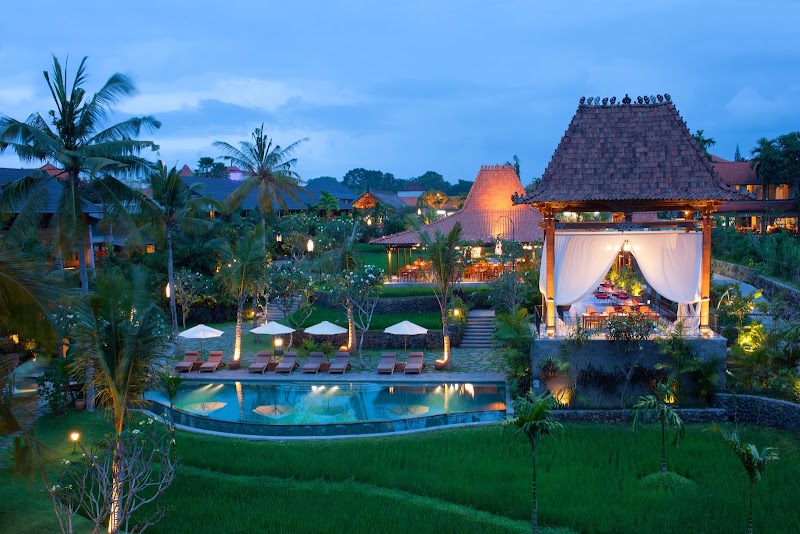
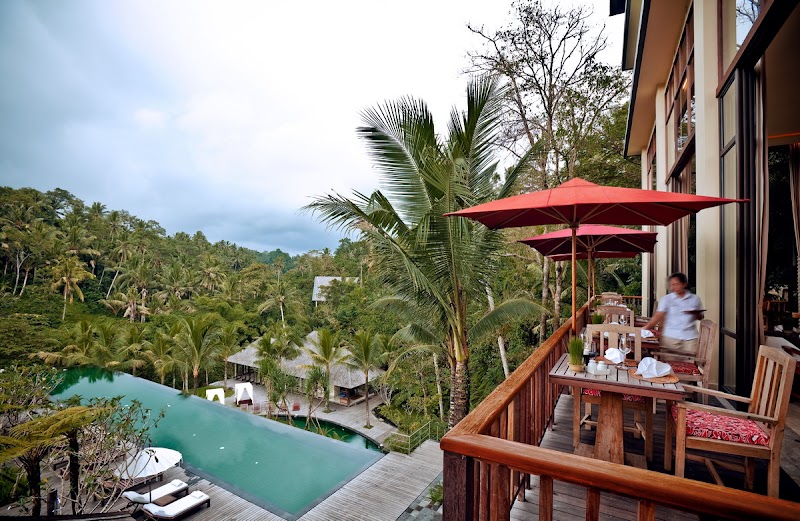
Solo travel in Bali operates across two distinct registers that the island's hotel landscape has begun to serve with increasing sophistication. The first is the wellness-oriented solo retreat — travellers who come alone specifically to engage with Ubud's healing culture, yoga studios, and spa retreats, using the solitude as an opportunity for deliberate introspection and physical restoration. For these travellers, single-occupancy rooms in retreat-style properties, communal yoga and meditation spaces, and the warm social fabric of Ubud's wellness community provide exactly the right combination of privacy and connection.
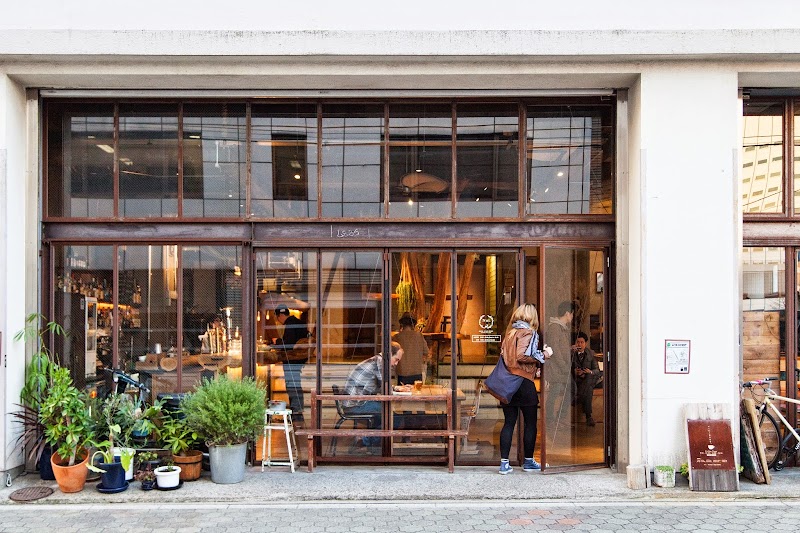
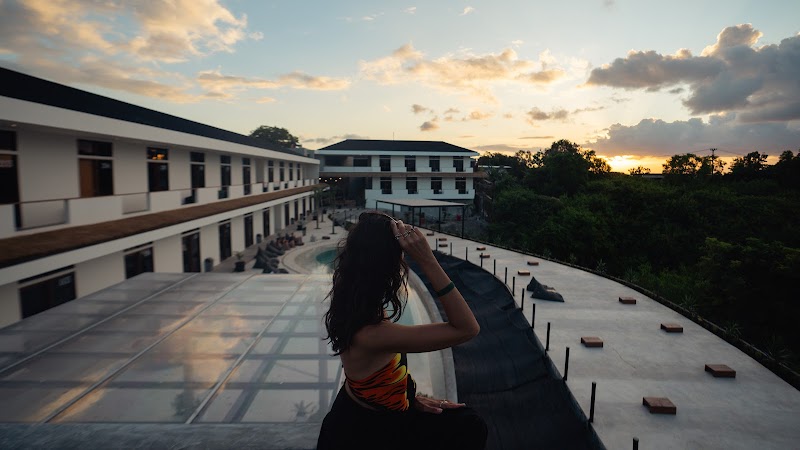
The second register is the creative, nomadic solo traveller — increasingly well-served by Canggu's co-working culture, boutique hostel scene, and café ecosystem. Properties like the Bikini Hotel and Desa Seni have communal spaces that are genuine social hubs rather than perfunctory lobbies; the neighbourhood's cafés and co-working spaces create an ambient community of creative workers that makes solo travel feel socially rich rather than solitary. The Canggu solo experience — morning surf or yoga, afternoon work at a laptop café, evening at a neighbourhood bar — has become one of Southeast Asia's most replicated solo travel templates.
Safety is a consideration that solo travellers, particularly women, are right to factor into their Bali planning. The island is, by Southeast Asian standards, very safe — violent crime is rare, taxi safety standards are maintained, and the Balinese culture of hospitality creates a social environment that is generally welcoming to solo travellers of all genders. The main practical risks are motorbike accidents (the most common cause of injury among tourists), petty theft in crowded tourist areas, and the various commercial scams that target obvious visitors. Using Grab ride-sharing rather than unregistered taxis, keeping to well-lit streets at night, and following your hotel's guidance on safe areas reduces all of these risks substantially.
The spiritual dimension of Bali as a solo travel destination is not merely a marketing construct. For travellers who approach it with openness, the island's deep Hinduism — visible in the daily offerings placed on every doorstep, the temple ceremonies that punctuate the calendar, and the balians whose healing practices draw on genuine spiritual tradition — provides a context for solo reflection that more secularised destinations simply cannot offer. Several solo retreats specifically design their programmes around this engagement, incorporating temple visits, offering-making ceremonies, and guided interactions with local spiritual practitioners into itineraries that treat Bali's culture as the primary wellness resource.