Bali's budget accommodation market is anchored by the homestay (losmen) and guesthouse tradition that has served international backpackers since the island's first wave of international tourism in the 1970s. The original budget accommodation in Kuta, Ubud, and Sanur — basic rooms in family compounds, often with a garden breakfast terrace and a kitchen producing simple Indonesian food — established a model of affordable hospitality that the island's tourism development hasn't eliminated so much as supplemented. Many of Bali's best budget options are still family-run, still organised around a sense of genuine hospitality, and still delivering the value proposition that made the island famous.
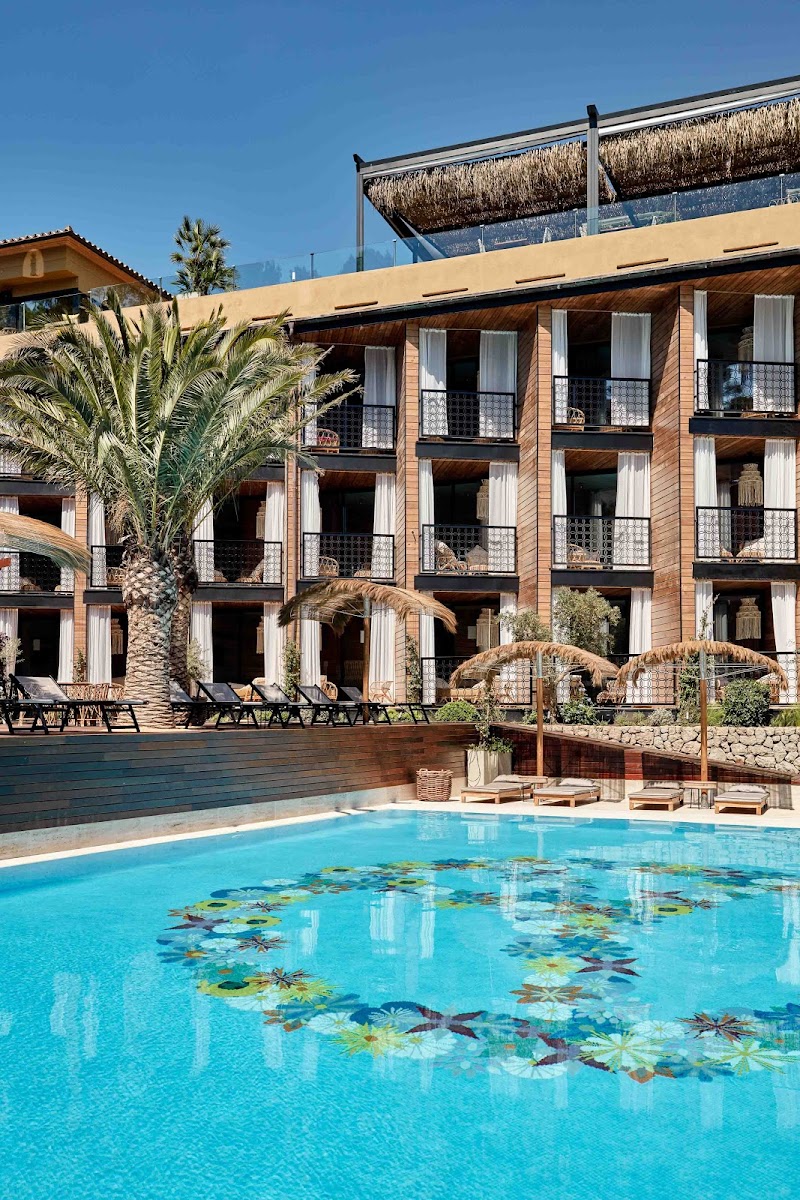
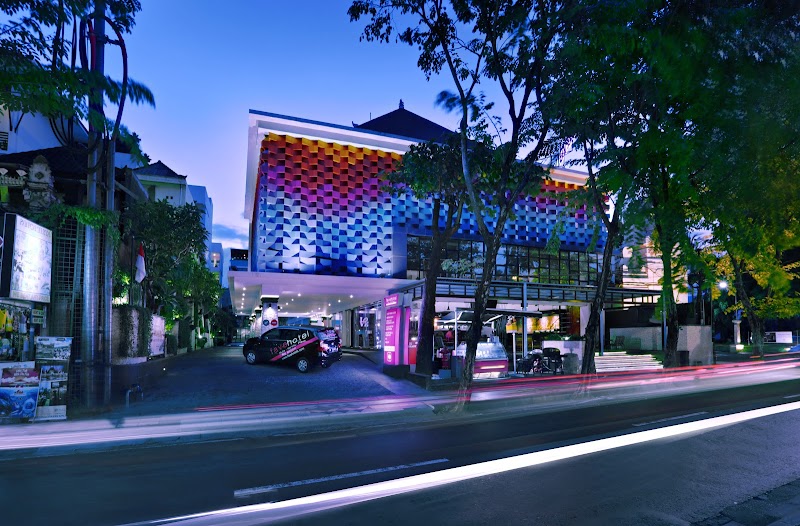
The budget hotel market has evolved considerably with the emergence of boutique-budget properties — hotels that apply design sensibility and operational sophistication to the affordable segment. Properties in Ubud and Canggu have been particularly active in this space: small hotels with pools, attractive common areas, and creative room design at prices that would buy a bed in a hostel dorm in European capital cities. This category — design-conscious, owner-operated, positioned in interesting neighbourhoods — represents Bali's best budget value and the most interesting corner of its accommodation market.
Location is the primary determinant of budget hotel quality in Bali, and the gap between a well-located budget hotel and a poorly located one can easily cost more in daily transport than the saving on accommodation justifies. The best budget hotels in Ubud are walkable to the morning market, the Monkey Forest, and the town's restaurants. The best budget options in Seminyak are within scooter-riding distance of the beach. In Canggu, the best value accommodations are positioned near the surf breaks and the independent café scene that makes the neighbourhood worth visiting in the first place.
Food is where Bali's budget travel case becomes truly compelling. The island's warungs — the small, family-run restaurants serving traditional Balinese and Indonesian food — provide extraordinary meals at prices that should embarrass every airport food court on earth. A plate of nasi campur (rice with a variety of vegetable, meat, and sambal accompaniments) at a good warung costs IDR 20,000–40,000 (roughly $1.30–$2.60). A morning bowl of bubur ayam (rice porridge with chicken and fried shallots) from a street vendor costs less than a dollar. For budget travellers who are willing to eat locally, the quality-to-cost ratio in Bali is simply extraordinary.