Tokyo for First-Timers: A Neighbourhood Hotel Guide
Tokyo is a city of 13.96 million people spread across 23 distinct wards — picking the wrong neighbourhood to stay in means spending half your trip on the subway. Here's how to choose right.
Tokyo's Geography Problem (And Its Solution)
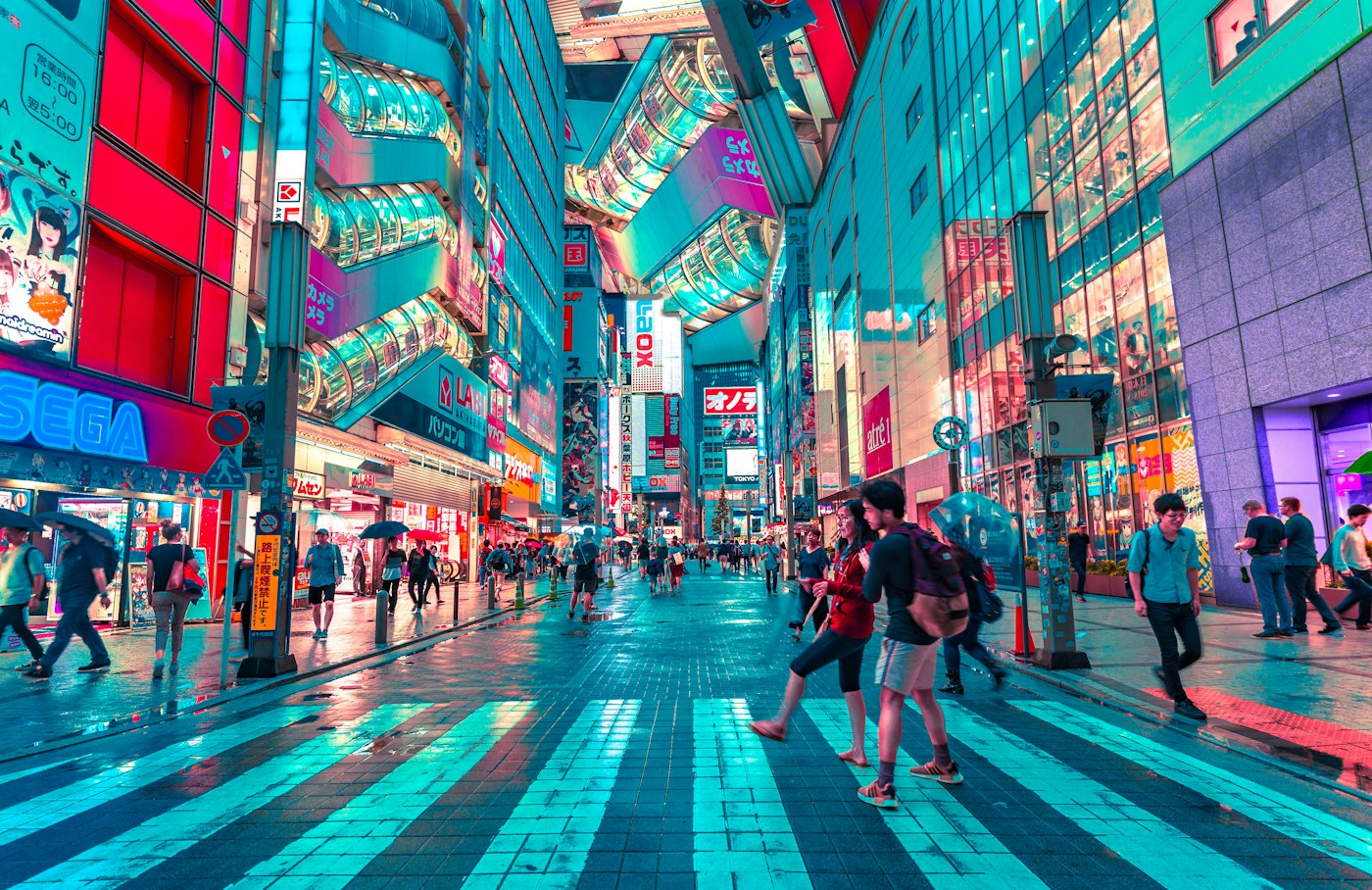
Tokyo is not a single city with a centre. It's a network of interconnected urban villages, each with its own personality, price point, and relationship with the rest of the metropolis. The Tokyo of Shinjuku — neon-bright, labyrinthine, relentlessly stimulating — is genuinely different from the Tokyo of Yanaka, where wooden temples and cats sleeping in pottery shop doorways make the city feel ancient and unhurried. Choosing where to stay isn't just a logistics decision; it's a decision about which Tokyo you want to live in for the duration of your visit.
The good news: Tokyo's rail system is extraordinary. Wherever you stay, you're probably within a 20–30 minute train ride of anything else. The better news: knowing the neighbourhoods means you can choose a base that fits your itinerary rather than defaulting to wherever the international chains cluster.
Shinjuku: The Everything Neighbourhood
Shinjuku is where most first-time visitors end up, and for defensible reasons. The station alone — the world's busiest, with 3.5 million daily passengers — gives you access to virtually every corner of the city. The Kabukicho entertainment district, Omoide Yokocho (Memory Lane), the Golden Gai bar cluster, and the Tokyo Metropolitan Government Building observation deck are all within walking distance. The neighbourhood runs 24 hours without interruption.
Hotels in Shinjuku range from the colossal (the Park Hyatt Tokyo, made globally famous by Lost in Translation, with its New York Bar on the 52nd floor and one of the city's best hotel pools) to the excellent mid-range (Shinjuku Granbell Hotel in East Shinjuku, a design-forward property at a fraction of the Park Hyatt's rate) to dozens of clean, functional business hotels that are perfectly good for guests who intend to spend their time outside.
Best For:
First-timers who want maximum access, night-life adjacent travellers, guests attending business meetings across the city.
Shibuya and Harajuku: Youth Culture and Iconic Chaos
The Shibuya Crossing is the image most people have of Tokyo before they arrive. Staying in Shibuya puts you at the intersection of the city's youth fashion culture (Harajuku is a ten-minute walk), its most-photographed street scene, and a dense concentration of excellent restaurants across every price point. The neighbourhood has also become more interesting to hotel bookers since the opening of Trunk Hotel — a pioneering socially-conscious boutique property that predated the current wave of design hotels in the area — and the newer Shibuya Stream Excel Hotel Tokyu, which sits directly above the newly developed Shibuya Stream complex.
For a splurge with an extraordinary view: the Cerulean Tower Tokyu Hotel has rooms facing Mount Fuji on clear days and a rooftop garden that's spectacular in cherry blossom season.
Ginza and Marunouchi: Tokyo's Luxury Quarter
If you want to experience Tokyo's highest register of service and design, Ginza is the neighbourhood. Japan's luxury retail corridor, home to more high-end brands per square metre than almost anywhere in the world, it also hosts the city's most formal luxury hotels. The The Peninsula Tokyo at the edge of Hibiya Park is consistently rated among the best hotels in Asia — the attention to detail in service is extraordinary even by Tokyo's elevated standards. Palace Hotel Tokyo overlooks the Imperial Palace gardens and has a level of quiet elegance that suits guests who find Shinjuku's energy exhausting.
Ginza and Marunouchi are also the best areas for business travellers who need quick access to Tokyo Station and the Shinkansen network to other Japanese cities.
Asakusa: Old Tokyo
For travellers who want to experience what Tokyo looked and felt like before the postwar reconstruction, Asakusa is essential. The Senso-ji temple complex, the Nakamise shopping street, the low-rise traditional streetscapes along the Sumida River — this is the neighbourhood that connects modern Tokyo to Edo-period history. Hotels here skew towards ryokan-style properties and boutique hotels with traditional Japanese design. Asakusa View Hotel has been the neighbourhood anchor for decades; for something more intimate, the small ryokans around the back streets near Senso-ji offer tatami rooms and kaiseki breakfast that are worth the modest premium.
Cherry Blossom Season Note
If visiting in late March or early April, an Asakusa base puts you within easy reach of the Sumida Park cherry blossom display — one of the city's best, without the Shinjuku Gyoen crowds.
Roppongi: Art, Nightlife, and International Comfort
Roppongi has a slightly undeserved reputation as the gaijin-friendly party neighbourhood. While it's true that the area has the highest concentration of international restaurants and English-speaking staff, it's also home to two of the world's best urban art museums (the Mori Art Museum and the National Art Center) and some genuinely excellent hotel options. The Ritz-Carlton Tokyo, occupying the upper floors of the 53-storey Midtown Tower, offers some of the city's most dramatic views and a level of western luxury hospitality that provides a familiar framework for first-time visitors still finding their bearings in the city's complexity.
Practical Notes for Tokyo Hotel Bookings
- Room size: Tokyo hotel rooms are uniformly smaller than Western equivalents. A "standard" room in a Tokyo city hotel is 18–22 sq m. Accept this and pack accordingly.
- Booking timing: Cherry blossom season (late March–early April) and Golden Week (late April–early May) are Tokyo's two peak periods. Book 3–4 months ahead for these windows.
- IC cards: Load a Suica or Pasmo card from arrival — these contactless transit cards work on every train, subway, and bus in the city and at most convenience stores. The logistics of Tokyo become dramatically easier.
- Airport access: Narita Airport is 60+ km from central Tokyo; Haneda is much closer. If you have flexibility in choosing your arrival airport, Haneda saves significant time and taxi cost.
Tokyo rewards neighbourhood immersion. If you spend your entire stay moving between tourist landmarks without living in one area, you'll leave having seen Tokyo without having understood it.
Frequently Asked Questions
What is the best area to stay in Tokyo for first-time visitors?
Shinjuku is the most practical base for first-time visitors — it has the best transport connections, a huge range of hotels at every price point, and is walkable to many major attractions. Shibuya is a close second, particularly for travellers interested in contemporary Japanese culture. Both are excellent choices.
Is Tokyo expensive for hotels?
Tokyo is more affordable than its global city peers. A good mid-range hotel in Shinjuku or Shibuya runs ¥15,000–25,000 per night (roughly $100–170). Luxury hotels (Park Hyatt, Peninsula, Ritz-Carlton) run ¥80,000–200,000+, which is competitive with equivalent properties in London, Paris, or New York.
How far in advance should I book hotels in Tokyo?
For standard travel, 4–8 weeks ahead is usually sufficient. For cherry blossom season (late March–early April) and Golden Week (late April–early May), book 3–4 months ahead as desirable properties fill quickly. For the Rugby World Cup, Olympics, or any major event year, book as soon as dates are confirmed.
Should I stay in a traditional ryokan in Tokyo?
Yes, at least for one night if possible — the experience of tatami rooms, yukata robes, onsen bathing, and kaiseki dinner is genuinely different from any western hotel. Asakusa has the best accessible ryokan options within the city. For a more immersive ryokan experience, the ryokans of Hakone or Kyoto (a short Shinkansen journey away) are the gold standard.