Bali vs Maldives: Which Paradise Is Right for You?
Both are tropical dream destinations, but Bali and the Maldives offer radically different experiences. One is a living culture you can explore; the other is a remote paradise you surrender to. Here's how to choose.
 Ben Campbell · · 7 min read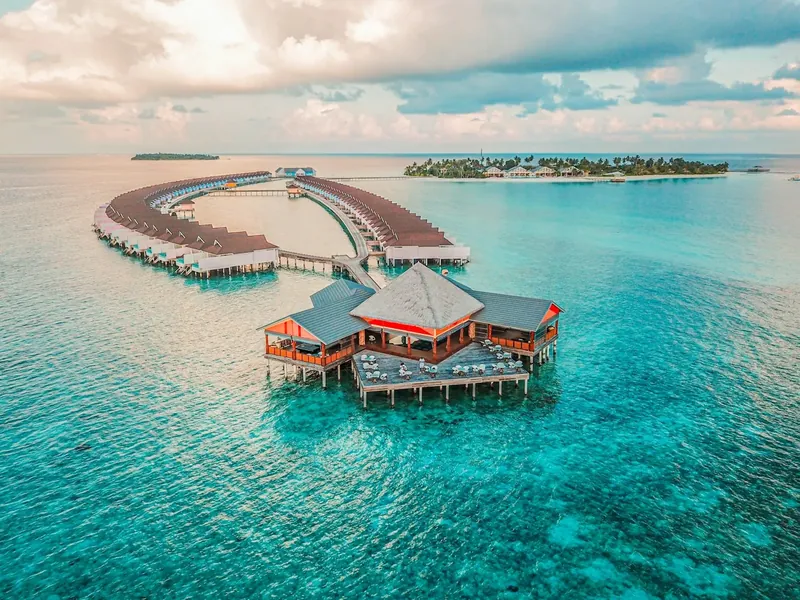
A Comparison That Actually Matters
The Bali-versus-Maldives question comes up constantly among travellers planning a significant tropical trip, and it's often dismissed with "they're completely different" before anyone engages seriously with the comparison. That's true — they are completely different — but the comparison is exactly the right question to ask because the two destinations represent genuinely opposite philosophies of what a tropical holiday should be.
The Maldives is, essentially, a luxury resort experience built on one of the world's most extraordinary natural settings. The Indian Ocean, the coral atolls, the underwater world — these are the product. The resort is the delivery mechanism. You go to the Maldives to be in a specific physical environment, and the world-class hospitality is the packaging around that environment.
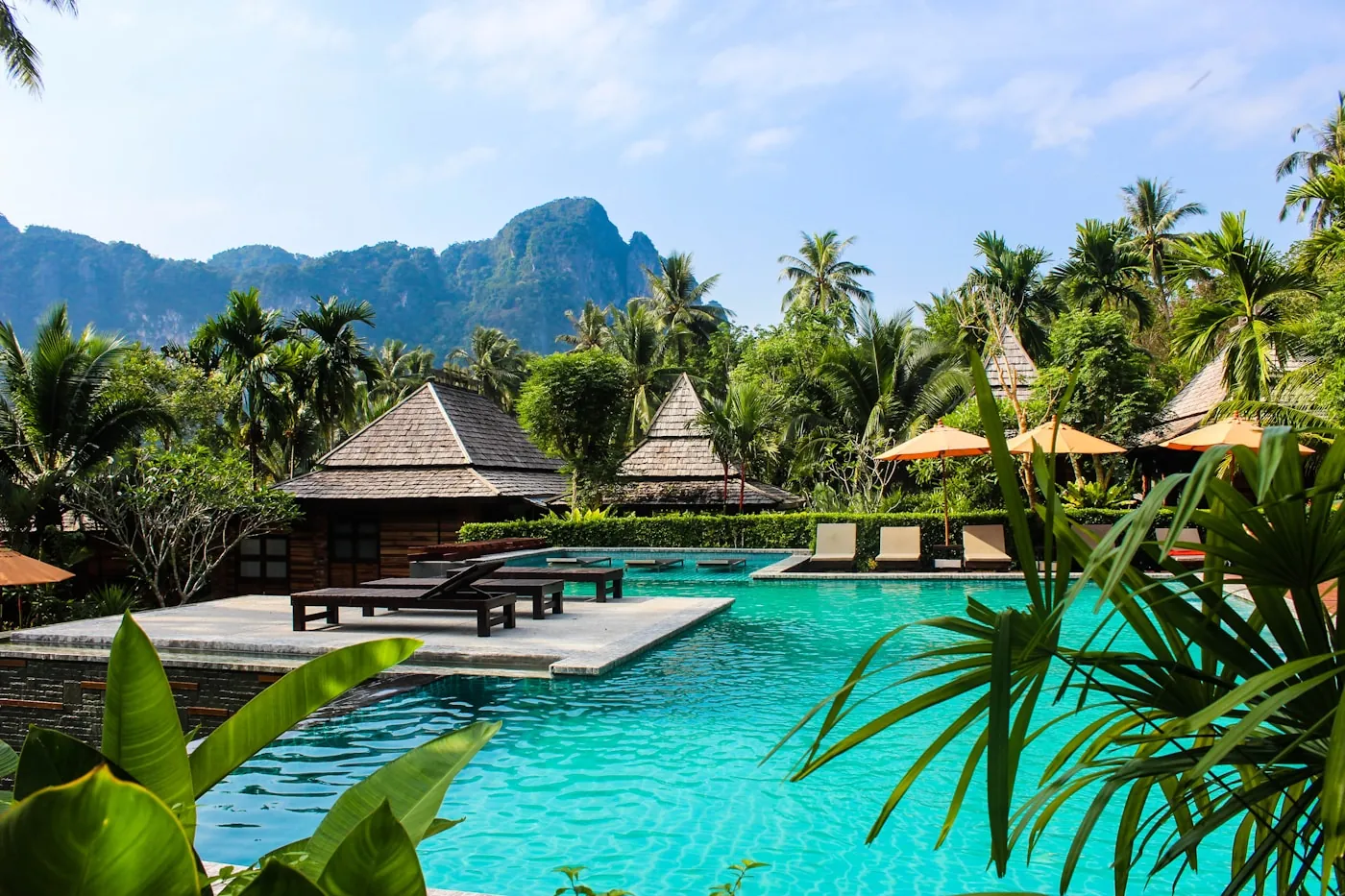
Bali is a living Hindu culture on an Indonesian island with exceptional natural beauty. You can have a luxury resort experience in Bali — and it can be outstanding — but you can also explore rice terrace villages in Ubud, attend temple ceremonies in Canggu, surf the Bukit Peninsula, eat extraordinary food for almost nothing, and move through a human landscape that is genuinely unlike anywhere else. Bali offers depth; the Maldives offers intensity.
The Maldives: What You're Actually Getting
The Maldives consists of about 1,200 coral islands arranged in 26 atolls, of which approximately 150 are resort islands. Each is typically exclusive to a single property — you arrive by speedboat or seaplane and the island is yours (and the other guests'). There is no local village to wander into, no restaurant outside the resort, no motorcycle to rent and explore with.
This is the fundamental Maldives trade-off: extraordinary natural immersion in exchange for a complete dependence on the resort for every aspect of your experience. The best resorts make this feel like luxury rather than constraint — Soneva Jani, Cheval Blanc Randheli, and Four Seasons Kuda Huraa are all world-class in their management of the closed-island environment. But if you start to find your resort's restaurant menu repetitive after four days, there is quite literally nowhere else to go.
The Maldives Is Best For:
- Honeymooners who want complete seclusion and aren't looking for stimulation beyond each other and the ocean
- Divers and serious snorkellers — the Maldives' marine ecosystems are exceptional by any global standard
- Guests who want to do absolutely nothing and consider this a feature rather than a bug
- Travellers who can allocate $1,500–3,000/night to accommodation (genuinely difficult to do justice to the Maldives below this)
Bali: Layers That Reward Exploration
Bali's geography is varied in a way the Maldives isn't. The south — Seminyak, Canggu, Kuta — is beach, surf, and nightlife. The interior — Ubud and the surrounding villages — is rice terraces, temples, traditional crafts, and some of the island's best restaurants. The north and east coasts are diver's territory, quieter and wilder than the tourist south. The Bukit Peninsula, in the south, has the cliffside luxury hotels with Indian Ocean views that represent the island at its most dramatically beautiful.
The best Bali hotels reflect this range. COMO Shambhala Estate in Ubud is a wellness-focused retreat in the jungle above the Ayung River — genuinely world-class spa facilities in a setting of extraordinary natural beauty, accessible to Ubud's culture and restaurants, from $700/night. Alila Villas Uluwatu on the Bukit delivers cliffside drama and an architectural vision as strong as anything in Southeast Asia, from $650/night. And Potato Head Suites in Seminyak sits at the intersection of Bali's beach culture and a genuine design-arts vision, from $350/night.
Find Your Perfect Hotel
Explore our expert hotel picks across 393 cities worldwide — curated for every type of traveller.
Browse All Destinations →The Price Comparison
This is where Bali wins decisively for most travellers. A genuinely excellent Bali hotel stay — one of the world's best boutique properties, private pool villa, extraordinary breakfast — runs $300–700/night. The Maldives' equivalent experience starts at $1,200/night and typically runs $2,000–3,000/night for properties that do justice to the setting. The seaplane transfer alone (often $600–900 per person round trip for remote atolls) adds a significant cost before you've checked in.
Bali also offers the possibility of excellent stays at genuinely low prices — private pool villas in Ubud from $80/night at smaller guesthouses represent a value proposition with essentially no equivalent in the Maldives.
The Maldives is a once-in-a-lifetime splurge that delivers on the fantasy. Bali is a destination you can return to ten times and find something different each time.
Food, Culture, and Off-Resort Experience
Bali wins this dimension entirely. Balinese cuisine is extraordinary — the local warung (small restaurant) culture means you can eat spectacularly well for $5–10/meal, and the high-end restaurant scene has produced properties like Locavore in Ubud that are internationally recognised. The temple ceremonies, the rice terraces, the traditional dance performances, the art and craft villages — there is no equivalent depth of experience available in the Maldives.
Maldives resorts have invested heavily in restaurant quality to compensate — Soneva Jani's restaurants are genuinely excellent, and several properties have imported chefs with Michelin experience — but the fundamental limitation remains: the food is as good as the resort chooses to make it, and you have no alternative if it disappoints.
The Verdict
Choose the Maldives if: the budget is genuinely flexible (budget $5,000–8,000 per person for a week to do it properly), marine life and diving are a priority, and you want the pure luxury of nothing to do but swim and read.
Choose Bali if: you want a destination rather than a resort, you value food and culture alongside beach, you're travelling as a couple where one person is more beach-oriented and the other more culturally curious, or you want extraordinary value without sacrificing quality. Bali consistently outperforms its price point in a way the Maldives, which consistently delivers exactly what its price point promises, simply cannot.
Frequently Asked Questions
Is Bali or the Maldives better for a honeymoon?
Both are excellent honeymoon destinations but for different couples. The Maldives offers unmatched seclusion and over-water bungalow romance — ideal if you want complete privacy and don't need cultural stimulation. Bali is better if one or both of you wants a mix of luxury, exploration, and culture alongside the romantic resort experience.
Is the Maldives worth the cost?
For divers, snorkellers, and travellers who genuinely want to do nothing in an extraordinary natural setting, yes absolutely. The trade-off is price (expect $2,000–3,000/night at a quality resort, plus transfer costs) and limited off-resort experience. If you'll be restless with no village to explore or restaurant to wander to, Bali is a better investment.
What is the best time to visit Bali?
May through September is Bali's dry season and peak tourist period — the best weather and the highest prices. The shoulder months of April and October offer good weather with smaller crowds. November through March is the wet season, with daily rain showers, but the landscape is lush and prices drop significantly.
Can you visit both Bali and the Maldives on the same trip?
Yes — many long-haul travellers combine both. Bali works well as the cultural, exploratory first leg, with the Maldives as the restorative finale (or vice versa). The routing via Singapore or Kuala Lumpur is efficient from most origin airports and the combination typically adds only a day or two of total travel time.
Ready to Book?
Browse our curated hotel picks across 393 destinations. Every property is hand-selected by our editorial team.
Explore All Destinations →
Written by Ben Campbell
Ben Campbell is a hotel industry analyst and travel writer at Hotelier's Choice. With over a decade of experience reviewing properties across six continents, he specialises in helping travellers find the right hotel for their specific needs — from business stays to bucket-list escapes.
More from Ben →