The Sustainable Travel Guide: Best Eco-Friendly Hotels for 2026
How to travel more sustainably without sacrificing comfort — plus 20 eco-hotels leading the green luxury revolution.

Sustainability in Hospitality: Beyond Greenwashing
The hotel industry's relationship with sustainability is complicated. Many properties now market themselves as 'eco-friendly' while changing little beyond offering towel reuse programmes. Meanwhile, a growing number of genuinely committed hotels are transforming their operations — from energy generation to waste management, supply chain ethics to community engagement — in ways that prove luxury and sustainability aren't just compatible but complementary.
This guide separates substance from marketing, highlighting hotels whose environmental commitments are verified, transparent, and embedded in their business model rather than bolted on as a PR exercise.
What Real Sustainability Looks Like
Genuinely sustainable hotels typically focus on five areas: energy (renewable sources, efficiency measures), water (conservation, recycling, treatment), waste (zero-waste goals, composting, single-use plastic elimination), food (local sourcing, organic gardens, reduced food waste), and community (local employment, fair wages, cultural preservation, economic contribution).
The best sustainable hotels measure and publish their environmental metrics — carbon emissions per guest night, water consumption, waste diversion rates — and set public targets for improvement. This transparency is the clearest indicator of genuine commitment.
Nordic Leaders: Where Green Is the Standard
Scandinavia leads the world in sustainable hospitality, partly because environmental consciousness is culturally embedded rather than trendy. Copenhagen, Stockholm, and Reykjavik hotels routinely achieve carbon-neutral operations through renewable energy, comprehensive recycling, and carbon offset programmes.
Iceland's geothermal-powered hotels demonstrate that sustainable energy can deliver genuine luxury — heated outdoor pools, warm lobbies, and unlimited hot water, all powered by the earth's own heat. Copenhagen's hotels integrate cycling culture, organic dining, and urban gardens into the guest experience as naturally as they provide WiFi.
Tropical Eco-Lodges: Luxury in the Canopy
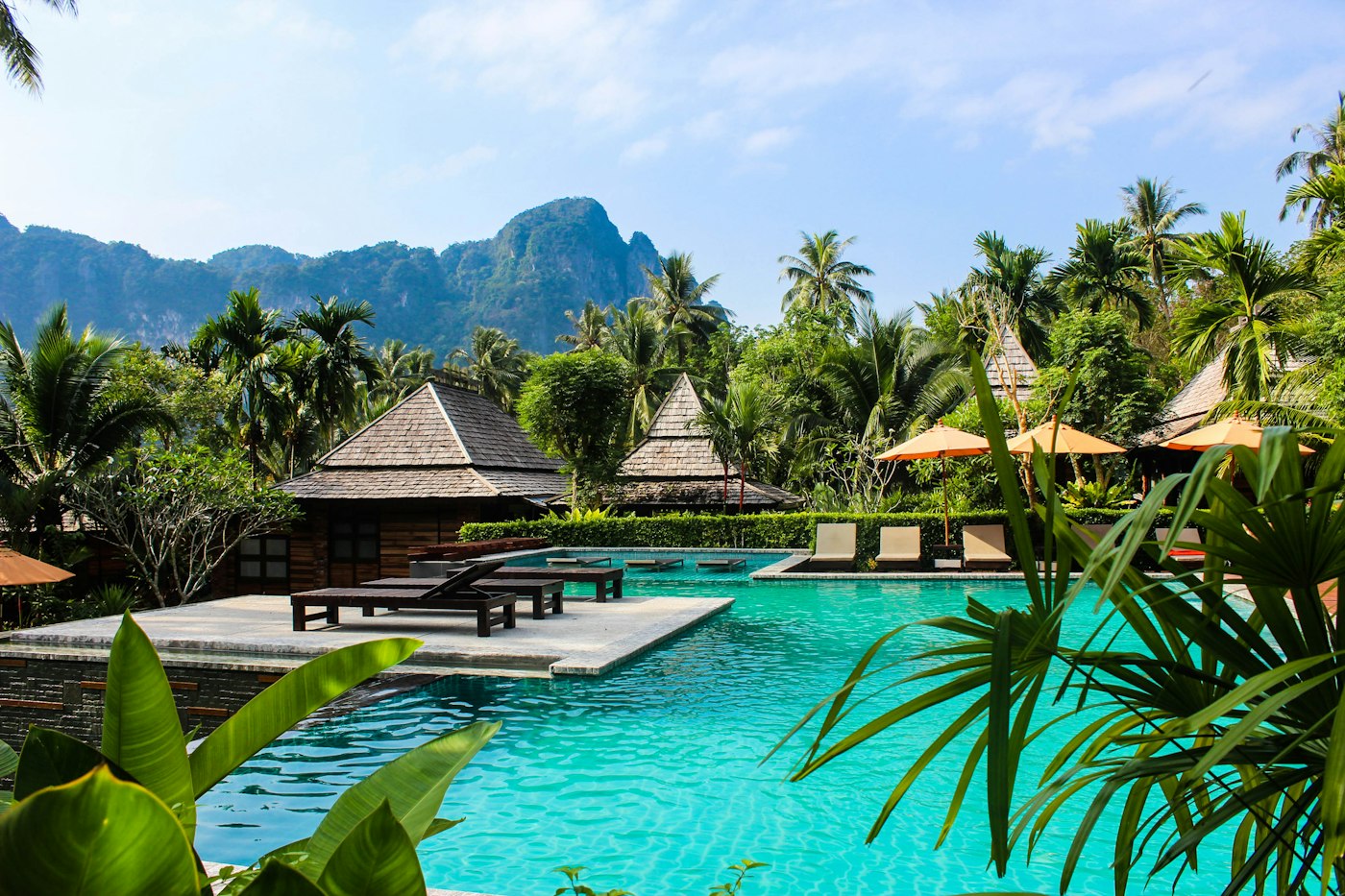
Bali, Costa Rica, and Borneo host some of the world's most impressive eco-lodges — properties that prove luxury accommodation can exist in harmony with fragile ecosystems. Solar-powered villas nestled in rice terraces, treehouse suites in rainforest canopy, and bamboo structures that demonstrate sustainable architecture's beauty.
The best tropical eco-lodges go beyond their own operations to actively support conservation — funding reforestation, protecting marine areas, supporting wildlife corridors, and employing local communities as conservation stewards.
Urban Sustainability: Greening the City Hotel
Sustainability in urban hotels presents different challenges than rural eco-lodges, but forward-thinking city properties are finding creative solutions: rooftop gardens that supply restaurants, greywater recycling systems, building-integrated solar panels, electric vehicle fleets, and partnerships with local social enterprises.
Amsterdam and Copenhagen lead in urban sustainable hospitality, but look for certified green hotels in every major city — the movement is genuinely global.
How to Be a More Sustainable Hotel Guest
Your choices as a guest amplify or undermine a hotel's sustainability efforts. Reuse towels and linens, minimise air conditioning (open a window when possible), eat at the hotel's restaurants if they source locally, take public transport or walk, and provide feedback about sustainability — hotels that hear guest demand for green practices invest more in them.
The most impactful choice is often the simplest: stay longer in fewer places. Frequent short trips generate more emissions than a single extended stay, and you'll experience each destination more deeply.
Frequently Asked Questions
How can I tell if a hotel is genuinely eco-friendly?
Look for third-party certifications: Green Key, LEED, EarthCheck, or Green Globe. Be wary of vague claims without specific practices or certifications backing them up.
Are eco-friendly hotels more expensive?
Not necessarily. Many sustainable practices (energy efficiency, water conservation, local sourcing) actually reduce operating costs. Some eco-hotels are premium-priced, but many offer competitive rates.
What's the most impactful thing I can do as a sustainable traveller?
Choose direct flights when possible (takeoff and landing produce the most emissions), stay longer in fewer places, eat locally, and choose hotels with verified sustainability certifications.