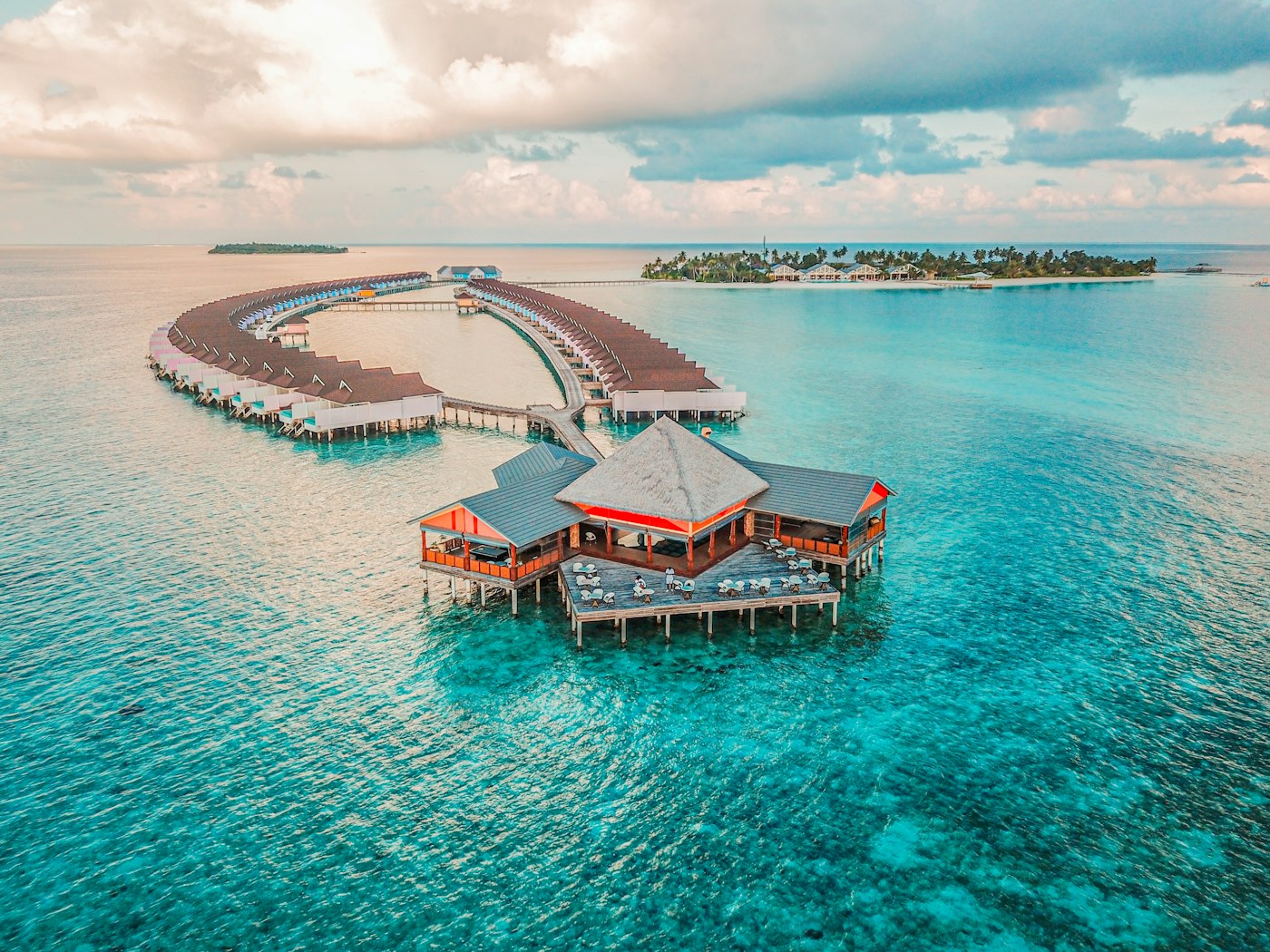
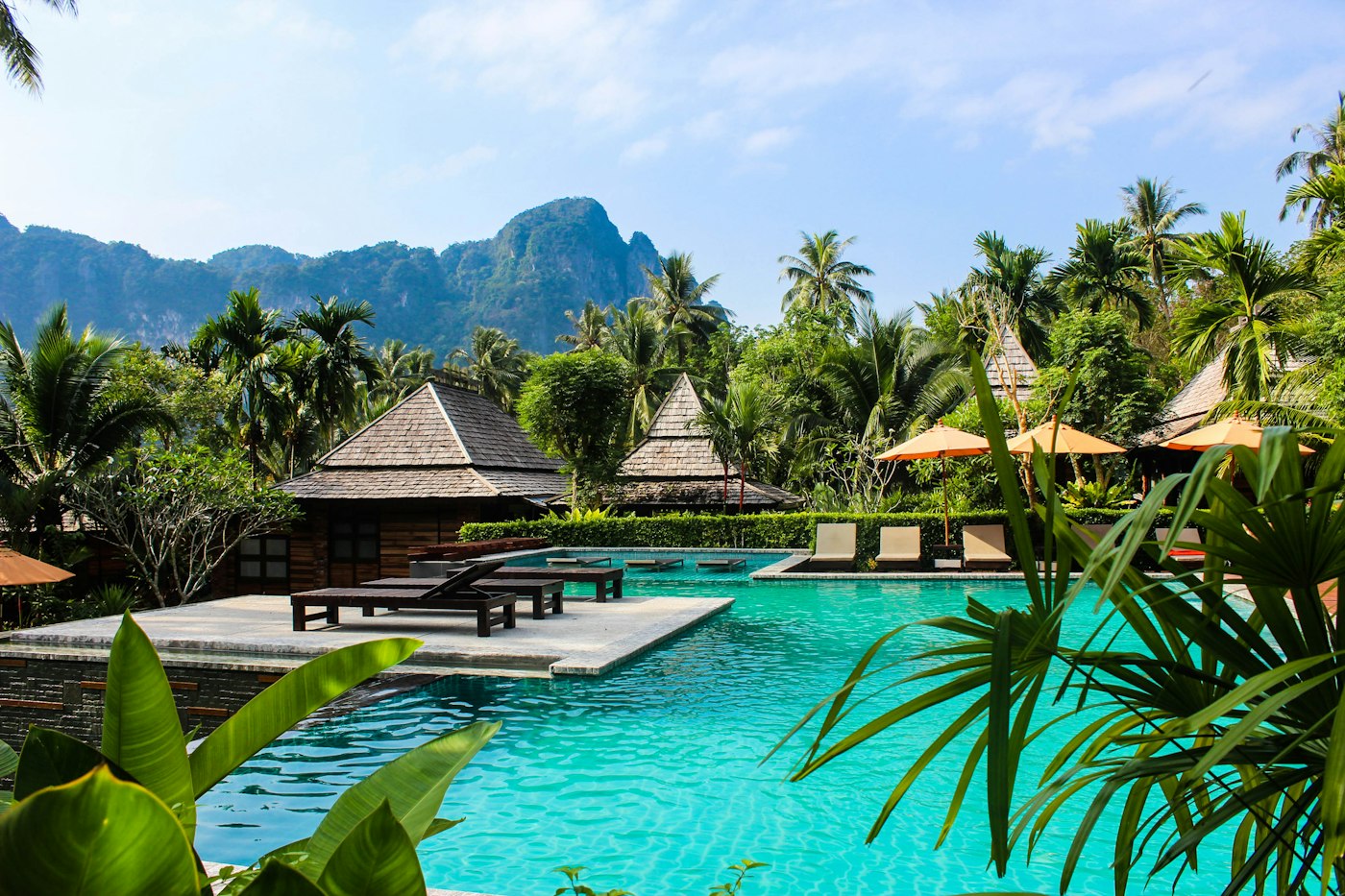
Southeast Asia Hotel Guide: Where to Stay in Every Country
Southeast Asia contains some of the world's most extraordinary hotel destinations in a single region spanning jungle, temple, beach, and megacity. This is your country-by-country guide to where to stay — and at what level.
Why Southeast Asia Is the World's Best Hotel Value Region
Southeast Asia offers something no other region can quite match: extraordinary hotel experiences at price points that make the equivalent in Europe or North America seem frankly absurd. A $200 per night hotel in Bangkok delivers experiences that would cost $600 in London. The service culture — warm, attentive, and characterised by a genuine hospitality tradition that predates the tourism industry — exceeds what the price would suggest possible. And the variety of environments available within a few hours' flight of each other is unparalleled: tropical beaches, ancient temple complexes, cloud forest, rice terraces, and some of the world's most dynamic cities.
The guide below covers the hotel landscape country by country, with a focus on the cities and destinations most visited by international travellers and a frank assessment of where the value and quality are highest.
Thailand: The Region's Hotel Benchmark
Thailand has been refining its hospitality product for international visitors for fifty years, and the result is a hotel landscape of extraordinary depth and quality. Bangkok is Asia's finest hotel city for value-quality combination — a Four Seasons or Mandarin Oriental experience at a price point that would represent a mid-range choice in Tokyo or Singapore. The Mandarin Oriental Bangkok, opened in 1876 and consistently one of the world's most reviewed hotels, operates on the Chao Phraya River with a combination of colonial-era glamour and contemporary service standards that justifies its legendary status.
Chiang Mai represents Thailand's other hotel pole: boutique properties in teak-walled villas set within walled gardens, temple proximity, and a coolness (literal and metaphorical) that Bangkok cannot offer. The Dhara Dhevi is the city's grandest statement — a complex modelled on a Lanna royal city — but the real pleasure of Chiang Mai's hotel landscape is in the independently operated boutique properties that have colonised the area around the Old City moat.
The Thai islands divide cleanly: Koh Samui and Phuket offer full luxury resort infrastructure including direct international flights; Koh Lanta, Koh Yao Noi, and the Trang Islands offer more remote, design-forward retreats accessible only by ferry. The Six Senses Samui and the Rosewood Phuket represent the luxury ceiling of their respective islands.
Vietnam: Value and Culture in Equal Measure
Vietnam's hotel landscape has matured rapidly, and the north-to-south journey through the country now offers a genuinely differentiated hotel experience at each stop. Hanoi's Old Quarter boutique hotels — properties converted from French-colonial merchant houses — provide some of the most architecturally interesting small hotel experiences in Asia. The Sofitel Legend Metropole is the city's grande dame: a century-old colonial property that has hosted Graham Greene and Charlie Chaplin and where the bomb shelter from the 1972 Christmas bombings is now a bar.
Hội An is the region's most compelling boutique hotel destination per square kilometre: the UNESCO-protected ancient town and the beach at An Bàng provide two distinct environments a short cycle apart, and the density of quality small hotels is remarkable. The Anantara Hội An opened a significant new wing in 2024, adding riverfront villa accommodation that competes with anything in the country.
Ho Chi Minh City (Saigon) operates as Southeast Asia's most underrated luxury hotel market: the Park Hyatt Saigon, the Reverie Saigon, and the Capella Saigon deliver experiences that would command significantly higher prices in comparable Asian financial capitals. The Reverie, in particular, is a study in operatic interior design — a property that commits to its aesthetic with an unabashed confidence that is either wildly over the top or exactly right depending on your sensibility.
Indonesia: Bali and Beyond
Bali's hotel landscape is so thoroughly documented that it has achieved a kind of self-parody: the infinity pool, the rice terrace villa, the private butler breakfast. But the clichés exist because the product is genuinely world-class. Ubud's jungle lodges — COMO Uma Ubud, Alaya Resort, Bisma Eight — represent the pinnacle of the tropical design-hotel form. The Bukit Peninsula's clifftop properties (Alila Villas Uluwatu, Anantara Uluwatu) deliver the most dramatic physical settings. Seminyak and Canggu provide the social hotel infrastructure for the beach-and-restaurant crowd.
Beyond Bali, Indonesia's hotel landscape is thinner but contains significant highlights. Lombok's southern Gili islands have developed a genuine boutique hotel culture, with Nihi Sumba — on Sumba Island, 1,200 kilometres from Bali — often cited as the most remote luxury resort in Southeast Asia and consistently ranked among the world's best hotels. The Ayana Komodo on Flores combines dragon viewing with serious beach luxury in an arrangement that seems improbable until you see it.
Singapore: The Urban Hotel Benchmark
Singapore punches above its weight in the hotel category in ways that reflect both its economic position and its deep investment in hospitality as a core industry. The Marina Bay Sands is the city-state's most famous hotel by a significant margin — more architectural statement than hospitality product, though the rooms and service are excellent. Raffles Singapore, reopened after a three-year restoration in 2019, represents the other end of the spectrum: colonial grandeur, botanical gardens, and the Long Bar where the Singapore Sling was invented in 1915 and where it remains the correct drink to have, regardless of what the cocktail menu says.
For design-forward travellers, the Capella Sentosa — on Singapore's resort island — and the Andaz Singapore in the city centre represent the more contemporary end of the market. The city's hotel pricing is higher than the rest of Southeast Asia by a significant margin; budget accordingly.
Malaysia: Kuala Lumpur and the Coast
Kuala Lumpur's hotel landscape centres on the KLCC district, where the Petronas Towers provide the same kind of location anchor that the Eiffel Tower does for Paris hotels. The Mandarin Oriental Kuala Lumpur enjoys the best view of the Towers and has maintained a product standard that justifies its long-standing five-star reputation. The newer W Kuala Lumpur adds a more contemporary, design-forward option in the same neighbourhood.
The Langkawi islands represent Malaysia's primary beach resort destination, with a more developed luxury hotel infrastructure than most visitors expect: The Datai Langkawi, set within a rainforest reserve with its own resident naturalist programme, is one of Southeast Asia's finest eco-luxury properties and a genuine argument for visiting Malaysia before Thailand for travellers interested in wildlife and natural environments.
Cambodia: Siem Reap's Temple Hotels
Siem Reap exists primarily as a base for Angkor Wat, and the hotel landscape has organised itself accordingly: proximity to the temple complex is the primary variable, with secondary consideration for design quality and spa facilities. The Amansara is the definitive Angkor hotel: a converted royal villa with just 24 suites, private temple access at sunrise, and the kind of minimalist Cambodian luxury that makes the heritage experience feel appropriately contemplative. The price reflects the exclusivity.
For travellers seeking excellent quality at a more accessible price point, Belmond La Résidence d'Angkor and Park Hyatt Siem Reap both offer strong architecture and service within shorter distances of the temples. The park itself opens at 5 AM for sunrise, which means early-morning temple logistics are worth factoring into room location decisions.
Myanmar: A Complex Destination
Myanmar's political situation since the 2021 military coup has made responsible tourism a genuine ethical question that we are not in a position to sidestep. Several major international hotel groups have exited the country or suspended new investment. Travellers who do choose to visit typically do so through locally-owned independent operators and properties with clear community benefit structures. We note the country's extraordinary hotel potential — particularly in Bagan, where balloon flights over temple plains were among Asia's most distinctive hotel-adjacent experiences — while acknowledging that the current political context requires individual ethical consideration beyond the scope of a hotel guide.
Southeast Asia rewards travellers who resist the urge to fit everything into one trip. Each country has a hotel character of its own — Thailand's polish, Vietnam's warmth, Bali's drama, Singapore's precision. Pick one well rather than sampling all of them thinly.
Planning Your Southeast Asia Hotel Trip
The region's practical logistics deserve brief mention. The shoulder season — April to early June and September to November — typically offers the best combination of weather, availability, and pricing across most destinations. The monsoon pattern varies significantly by country and even by coast within a country: Bali's west coast rains from November to March while the east coast and the Gilis are largely dry; Thailand's Gulf Coast islands (Koh Samui) have peak monsoon from October to December while the Andaman Coast islands (Phuket) are best from November to April.
Currency and pricing: outside of Singapore, Southeast Asia's accommodation is genuinely affordable at every tier. The significant upgrades available for small financial premiums — from a $50 fan room to a $120 design boutique hotel in Vietnam, from a $200 international chain to a $350 genuinely extraordinary resort in Thailand — are worth making in a region where the marginal quality per dollar spent is so high.
Frequently Asked Questions
Which country in Southeast Asia has the best hotels?
Thailand and Singapore lead Southeast Asia in hotel quality, though they serve different markets. Thailand — particularly Bangkok, Chiang Mai, and the resort islands — offers the world's best quality-to-price ratio in luxury accommodation, with properties that would rank globally competitive at pricing that undercuts European equivalents significantly. Singapore offers a higher absolute quality ceiling and more design innovation, but at significantly higher prices. Bali deserves special mention for its pool villa and boutique hotel culture, which is globally distinctive and competitively priced.
What is the best time to visit Southeast Asia for hotels?
The optimal travel window varies by destination: Thailand's Andaman Coast (Phuket, Krabi) is best November to April; the Gulf of Thailand islands (Koh Samui, Koh Tao) are best from February to August. Vietnam is broadly best from October to April in the south and February to April in the north. Bali's dry season runs from May to September and corresponds with peak hotel pricing. Singapore is year-round. A general rule: shoulder season (April–early June and September–November) offers the best combination of availability, hotel pricing, and manageable crowds across most of the region.
How much should I budget for hotels in Southeast Asia?
Southeast Asia's hotel pricing spans an enormous range. Budget hotels: $15–40 per night in most countries, rising to $60–80 in Singapore. Mid-range design boutique hotels: $80–180 in Thailand, Vietnam, and Indonesia; $200–350 in Singapore. Luxury international brand hotels: $200–500 in Bangkok, Hanoi, Ho Chi Minh City, and Bali; $350–700 in Singapore. Ultra-luxury villas and resort properties: $500–2,000+ across all major destinations. The most important factor is that the value differential between budget and luxury is higher in Southeast Asia than anywhere else — the $150 mid-range hotel in Chiang Mai routinely delivers an experience that would cost $400 in comparable Western cities.
Is it safe to book boutique hotels in Southeast Asia?
Boutique hotels in Southeast Asia are generally safe and often excellent value. The primary due diligence steps: book through reputable platforms (Booking.com, Hotels.com, Agoda for the region) that provide verified reviews; check that the property has a physical address and landline phone number; and read reviews from the past 3–6 months to ensure quality standards are current. Independent boutique properties in Hội An, Ubud, Chiang Mai, and Siem Reap are particularly well-regarded and have long track records with international guests. Paying on arrival rather than full prepayment reduces financial risk with smaller properties.