The Rise of Wellness Hotels: Why Spa Stays Are Worth It
Wellness travel has moved well beyond cucumber water in the lobby and a 50-minute Swedish massage. The new generation of wellness hotels is built around genuinely transformative experiences — and the case for booking one is stronger than ever.
Beyond the Spa Menu
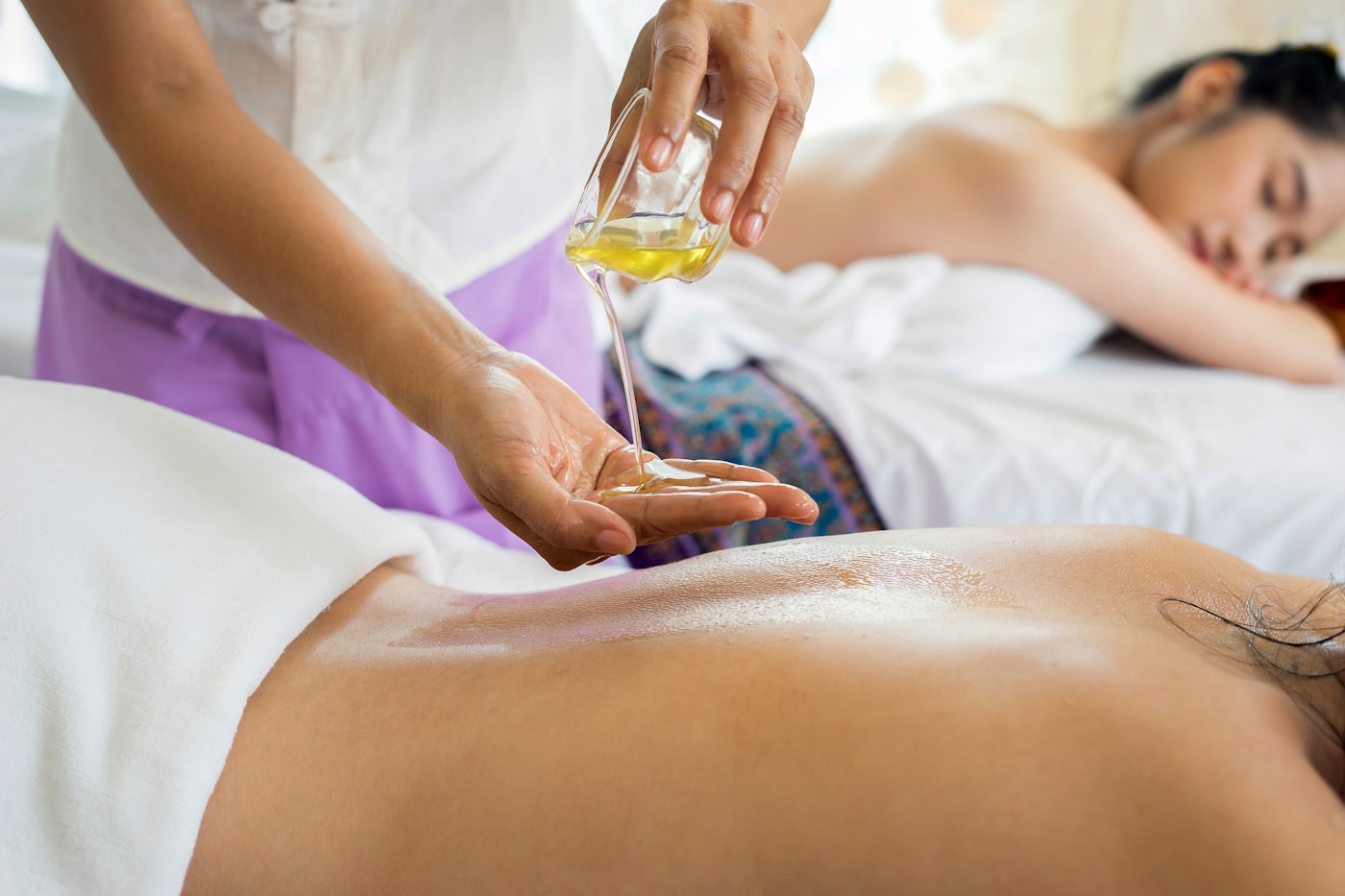
The term "wellness hotel" has been applied so broadly — to everything from a Holiday Inn with a gym to a genuine healing retreat in the Balinese jungle — that it risks meaning nothing. But the underlying trend it imperfectly describes is real and significant: a growing cohort of travellers who don't want their hotel to be merely comfortable, but to actively make them feel better than when they arrived.
This isn't vanity. The research on what travel does for mental health, sleep quality, and physiological stress markers is increasingly robust. What the new generation of wellness hotels has figured out is that a concentrated stay — three to seven days designed around sleep, movement, nutrition, and treatment — can produce measurable results that two weeks of a standard beach holiday often doesn't. The category has responded to demand by professionalising rapidly.
What the Best Wellness Hotels Actually Do
The distinguishing features of genuinely excellent wellness hotels are different from the marketing language suggests. It's not the number of treatment rooms or the length of the spa menu. It's the intelligence of the programming.
The best properties — COMO Shambhala Estate in Bali, SHA Wellness Clinic in Spain, Lanserhof Tegernsee in Bavaria — all share a commitment to pre-arrival health assessment, individualised programming rather than generic packages, and qualified medical or wellness staff (not just trained therapists, but nutritionists, sleep coaches, functional medicine practitioners) who work with guests across the full stay. The difference between a stay at Lanserhof and a spa weekend at a luxury hotel is the difference between a dietary consultation with a physician and a massage.
Bali: COMO Shambhala and the Ubud Wellness Circuit
Ubud is the world capital of wellness travel, and not without reason. The combination of Balinese spiritual tradition (genuinely present, not performed for tourists), extraordinary natural setting, and the island's long association with healing and holistic practice has created a concentration of excellent wellness facilities that no single city can match.
COMO Shambhala Estate is the benchmark: a residential wellness retreat in the jungle above the Ayung River, with a permanent team of practitioners covering Ayurvedic medicine, naturopathy, nutrition, yoga, and movement therapies. The three-night minimum stay and integrated programme structure — this is a retreat, not just a hotel with a good spa — produce a different result from a luxury resort with wellness amenities. From $700/night.
Further down the Ubud spectrum, Fivelements Retreat in the Ayung River Valley is a smaller, more intensely programmed property with a genuine commitment to Balinese healing traditions — taksu (spiritual energy) massage, plant-based cuisine aligned with Ayurvedic principles, and a six-night minimum designed around measurable wellness outcomes.
Bath, England: Thermal Waters and a City That Built Itself Around Wellness
Bath's Roman hot springs have been drawing people in search of restoration for 2,000 years, and the city's contemporary wellness offering is anchored by the Thermae Bath Spa — the UK's only natural thermal spa, built around the same hot springs the Romans used, now in a striking contemporary building by Nicholas Grimshaw. The rooftop thermal pool at sunset is one of England's most atmospheric experiences.
For the hotel component, The Gainsborough Bath Spa is the only hotel in the world connected directly to the ancient thermal waters — guests have private access to the spa via an underground corridor, with six treatment rooms, two thermal pools, and a fitness studio in a beautifully converted Victorian townhouse. From $350/night. The Royal Crescent Hotel, in two interconnected Grade I listed townhouses on Bath's famous Georgian crescent, has a spa that doesn't rely on thermal water but compensates with architectural drama and one of England's better hotel gardens.
Budapest: The Thermal City
Budapest is a different kind of wellness destination — less programmatic, more civic. The city's 120 thermal springs feed a network of historic bath complexes that function as social infrastructure rather than luxury amenities. The Széchenyi Baths in City Park (Neo-Baroque, 1913) and the Gellért Baths (Art Nouveau, 1918) are experiences unlike anything in Western European wellness tourism — grand, communal, genuinely therapeutic rather than cosmetically relaxing, and accessible for €20–30 entry regardless of where you're staying.
For guests who want the Budapest thermal tradition combined with hotel-grade luxury, the Corinthia Hotel Budapest has a spa that connects to the city's thermal network and offers a level of treatment quality that matches the grandeur of the original Art Nouveau building.
Scottsdale, Arizona: Desert Spa Capital
Scottsdale occupies a unique position in North American wellness travel: a desert city that has built an entire hospitality identity around the idea that the high-desert environment — the altitude, the dry heat, the dramatic landscape, the extraordinarily clean air — is itself therapeutic. The major resort spas here are genuinely world-class: The Phoenician's Centre for Well-Being, The Spa at Four Seasons Scottsdale, and most notably Miraval Arizona — a 400-acre all-inclusive wellness resort in the Sonoran Desert with a life-enrichment programme that has been influencing the global wellness hotel sector for 30 years.
Miraval's model — activity-focused rather than purely treatment-focused, with equine therapy, desert hiking, mindfulness workshops, and nutritionist-designed dining alongside the spa — is the template that the new generation of wellness hotels globally is adapting. From $600/night all-inclusive.
Is a Wellness Hotel Worth the Premium?
The relevant comparison isn't between a wellness hotel and a regular hotel. It's between a wellness hotel stay and the ongoing cost of not addressing the thing that's making you tired, tense, or burned out.
The premium is real — wellness hotels command a 40–100% price premium over equivalent luxury hotels in the same markets. The question of whether it's worth it depends entirely on how intentional the stay is. A weekend at a spa hotel where you also have a few treatments is a pleasant luxury. A five-day programme at COMO Shambhala, Miraval, or Lanserhof, designed around specific outcomes with qualified practitioners, is something structurally different — and for the right traveller, at the right moment, genuinely transformative.
- Best for first-timers: The Gainsborough Bath Spa or a Scottsdale resort spa — accessible formats at a relatively approachable price.
- Best for serious wellness intentions: COMO Shambhala (Bali), Miraval (Scottsdale), or Lanserhof (Bavaria/Germany).
- Best value wellness destination: Budapest thermal baths — world-class therapeutic water experiences at mass-market prices.
Frequently Asked Questions
What is a wellness hotel?
A true wellness hotel is one designed around improving guest health and wellbeing, not just providing luxury amenities. The best examples — COMO Shambhala in Bali, Miraval in Arizona, Lanserhof in Germany — offer individualised health programming, qualified wellness practitioners, nutrition-focused dining, and structured itineraries designed around specific health outcomes.
Are wellness hotels worth the extra cost?
For travellers with specific wellness goals (stress reduction, better sleep, weight management, post-illness recovery), a concentrated wellness hotel stay with proper programming can deliver results that a standard holiday doesn't. The premium over equivalent luxury hotels runs 40–100%, which is justified for extended programmatic stays but less so for weekend spa breaks.
What is the best wellness hotel in Bali?
COMO Shambhala Estate in Ubud is widely considered the best, with a permanent team of Ayurvedic, naturopathic, and nutrition specialists and a genuine retreat structure. Fivelements Retreat and Komaneka at Bisma are strong alternatives for guests focused on Balinese healing traditions specifically.
Where are the best thermal spas in Europe?
Budapest's bath complexes (Széchenyi, Gellért, Rudas) are unmatched for atmosphere, history, and value — grand thermal bathing for €20–30. Bath in England has the UK's only natural thermal spa (Thermae Bath Spa) with an extraordinary rooftop pool. Baden-Baden in Germany and Spa in Belgium (the town that gave the word to the concept) are also exceptional.