How to Get a Hotel Upgrade (Without Spending More)
Hotel upgrades are less random than they seem. There's a real logic to how properties decide who gets moved to a better room — and once you understand it, you can work with it.
Upgrades Aren't Random
The common assumption about hotel upgrades is that they're a pleasant accident — a fortunate alignment of availability and front desk generosity. The reality is more structured. Hotels have clear internal logic for upgrade decisions, and travellers who understand that logic can position themselves favourably without asking, awkwardly, at the check-in desk.
This isn't about manipulation or false charm. It's about understanding how hotels think about their inventory, their guests, and the levers that make generosity cost-effective for them.
Join the Loyalty Programme First
This is the single most reliable upgrade lever available, and the majority of travellers ignore it. Hotel loyalty programmes — Marriott Bonvoy, Hilton Honors, World of Hyatt, IHG One Rewards — all include automatic upgrade eligibility for members, even at the base tier. You don't need to be an elite frequent traveller; you just need to be enrolled.
The mechanics: when a hotel has unsold inventory in a room category above what you booked, loyalty members — even at the lowest status tier — are considered for complimentary upgrades before non-members. The upgrade doesn't always materialise (it depends on occupancy), but your name needs to be in the system for it to be possible. Enrolment is free and takes three minutes. There is genuinely no reason not to do this.
Book Direct and Say Something
Booking through Booking.com or Expedia puts you behind loyalty members and direct bookers in the hotel's upgrade consideration queue. When you book directly — through the hotel's own website or by calling — you're a more valued guest from the hotel's revenue perspective (they keep the 15–20% commission they'd otherwise pay the OTA). This translates directly into priority for perks.
When booking direct, note the occasion in the reservation. Honeymoon, anniversary, birthday — hotels receive hundreds of these notes and do not ignore them. The front desk manager reviewing the day's arrivals will flag guests celebrating something. What happens next depends on availability, but flagged guests get consideration that anonymous reservations don't.
A hotel that knows what you're celebrating has both the motivation and the mechanism to make it memorable. An anonymous OTA booking has neither.
Arrive on a Weekday
This is the most underappreciated timing insight in hotel travel. Business hotels run high occupancy Monday–Thursday and often have their best inventory available on weekends. Leisure hotels are the inverse — weekends are full, Sunday–Tuesday has available premium rooms. If your stay includes a Sunday night check-in at a city hotel, you are arriving at the lowest occupancy point of the week. The hotel has upgraded inventory to give away and every staff member at the desk knows it.
Weekend check-ins at popular leisure properties are precisely the opposite — the hotel is running high occupancy, every room is needed, and upgrades are genuinely scarce. Timing your arrival against the property's occupancy patterns is a more reliable upgrade lever than any charm offensive at the front desk.
The Front Desk Approach (Done Right)
Yes, you can ask for an upgrade at check-in. But the way most people do it — "Is there any chance of an upgrade?" — is the least effective approach because it's what everyone says and it gives the front desk agent no reason to say yes rather than no.
A better approach: engage genuinely. Ask the agent which room they'd recommend for the best experience. Ask about the difference between your booked category and the one above it. This is a conversation rather than a request, and it gives the agent the space to offer something rather than respond to a demand. Front desk staff at quality hotels have genuine discretion — they give upgrades to people they like, and they like people who treat them as humans rather than vending machines.
Specific Tactics That Work
- Use Amex Fine Hotels & Resorts: If you hold an American Express Platinum or Centurion card, the Fine Hotels & Resorts programme provides automatic room upgrades at hundreds of luxury properties worldwide. This is one of the most consistently valuable card benefits in travel.
- Stay longer: A four-night stay is upgraded before a one-night stay when both are equal in every other dimension. Hotels value incremental revenue, and a longer-stay guest represents more of it.
- Contact the hotel pre-arrival: An email 24–48 hours before arrival referencing a special occasion — sent to the property directly, not through the OTA — puts your reservation on the manager's radar at exactly the right moment, when room assignments are being finalised.
- Travel in off-peak periods: More available inventory means more realistic upgrade possibilities. The logic is simple but worth stating: no hotel can upgrade you to a room that's already occupied.
What You Actually Get
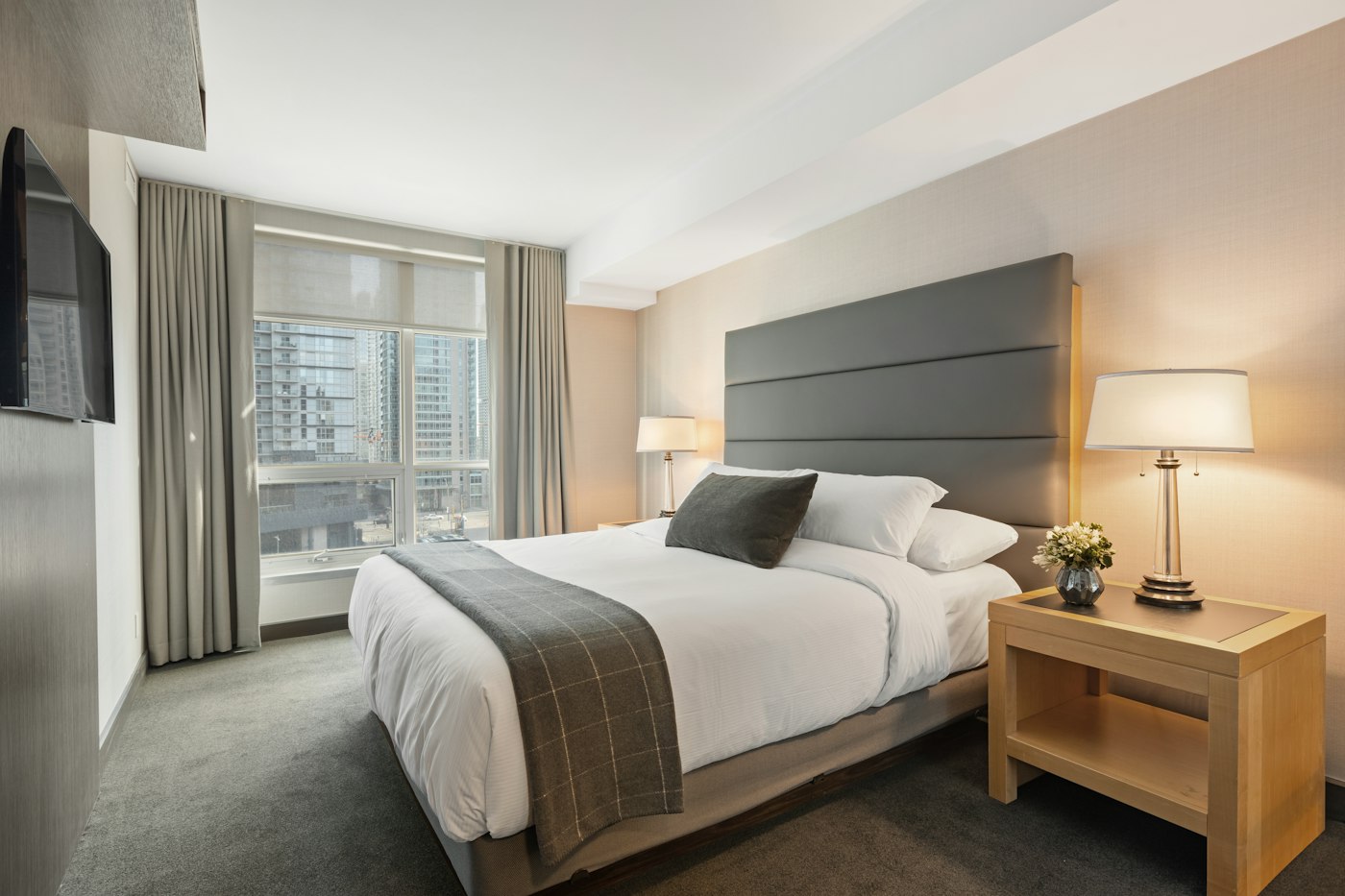
Managing expectations is part of this. At a mid-scale hotel, an upgrade typically means moving from a standard to a superior room — better floor, better view, slightly more space. At a luxury property, it can mean moving to a junior suite or a corner room with entirely different proportions. The value of an upgrade scales with the hotel's tier: a complimentary suite upgrade at a Ritz-Carlton represents several hundred dollars of room rate; at a mid-market Marriott, the difference may be nominal.
Loyalty programme status matters here. At base tier, you're eligible for upgrades subject to availability. At mid-tier (Bonvoy Gold, Hilton Gold, Hyatt Explorist), upgrades are more consistent. At top tier (Bonvoy Platinum/Titanium, Hilton Diamond, Hyatt Globalist), suite upgrades at check-in become a genuine expectation rather than a hopeful possibility. For travellers who stay in hotels more than eight to ten times a year, reaching a mid-tier status is relatively straightforward and dramatically changes the quality of each stay.
Frequently Asked Questions
What is the best way to ask for a hotel upgrade at check-in?
Rather than asking directly, engage the front desk agent in a conversation about the room options. Ask which room they'd recommend for the best experience. This gives the agent the opportunity to offer an upgrade rather than respond to a request. Be friendly, patient, and never demanding — discretion upgrades go to guests who make an impression.
Do hotel upgrades actually happen without asking?
Yes, for loyalty programme members. Hotels have automated systems that offer complimentary upgrades to enrolled members when inventory is available. Even base-tier membership puts you in this pool. Non-members are rarely upgraded automatically; they're assigned to the room category they booked.
Does booking directly with a hotel improve upgrade chances?
Yes, meaningfully. Direct bookings put you in a higher priority tier than OTA bookings, because the hotel keeps the full room rate rather than paying 15–20% commission. Hotels reward direct bookers with more attentive service and more upgrade consideration, particularly when occupancy allows.
Which hotel loyalty programme is best for upgrades?
World of Hyatt consistently ranks highest for upgrade reliability — Globalist members (top tier) receive suite upgrades as a standard benefit. Marriott Bonvoy and Hilton Honors are larger programmes with more properties but slightly less consistent upgrade execution. American Express Fine Hotels & Resorts is excellent for guaranteed upgrades if you hold an eligible card.