First Time in Europe? The Best Hotels for Every Budget
First-time visitors to Europe face two simultaneous decisions: which cities to visit, and where to stay in each. Both decisions interact — your hotel location dramatically affects how much you see and how you experience each city. This guide walks you through the best hotels for first-timers at every budget, in Europe's most-visited cities.
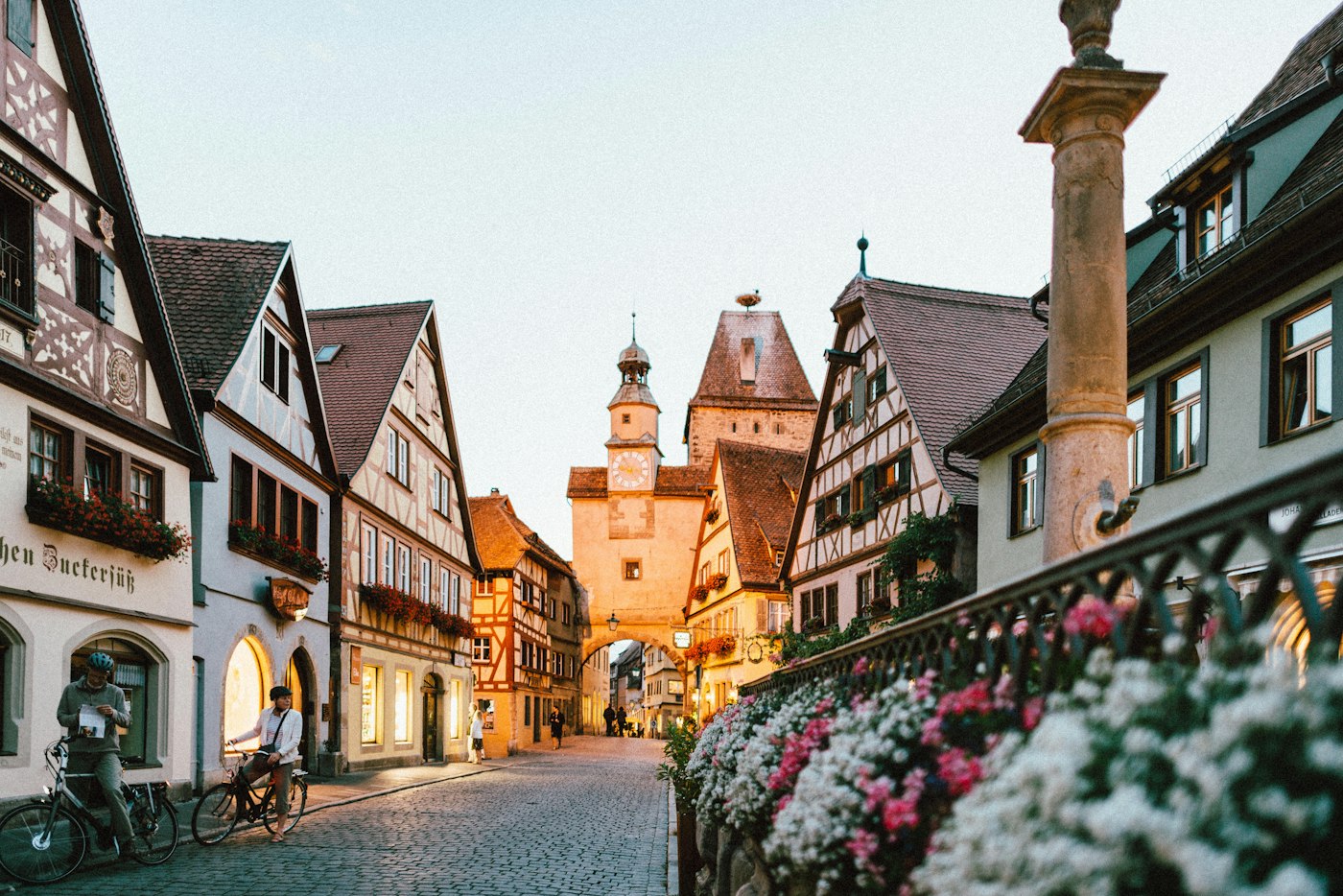
Planning Your First European Trip
A first trip to Europe deserves a proper plan. The common mistake is trying to cover too many cities in too little time — arriving in a city exhausted after overnight trains, queuing for accommodation check-in at 7am, and spending as much time in transit as in place. The most satisfying first Europe trips tend to focus on three to four cities over two to three weeks, allowing genuine immersion in each.
The other critical decision is where to stay within each city. In every major European city, your hotel's neighbourhood determines whether you can walk to major sights (saving hours of transit time), whether you feel safe walking at night, and the quality of the local experience you encounter outside the hotel door.
London — The English-Speaking Gateway
London is the most common first stop for North American, Australian, and Asian first-timers, primarily for the language advantage. It's also one of the most expensive hotel cities in Europe, which makes neighbourhood choice particularly important.
Where to Stay in London
The best hotel neighbourhoods for first-timers are: Covent Garden/Strand (central, walking distance to major attractions, excellent restaurant access), South Bank/London Bridge (across the river from the City, excellent value relative to central London, Borough Market nearby), and Notting Hill/Kensington (residential luxury, good tube access, neighbourhood character).
Avoid: Leicester Square and Piccadilly Circus hotel strips — overpriced, tourist-saturated, and poor value.
Best London Hotels for First-Timers
Budget (£100-£180/night): citizenM London Bankside — The Dutch hotel brand designed for intelligent travellers: king-size beds in compact rooms, everything controlled by iPad, genuinely excellent location on the South Bank. Consistently excellent value. Book citizenM Bankside London.
Mid-Range (£180-£300/night): The Hoxton Shoreditch — In London's most culturally interesting district, The Hoxton offers a combination of design quality, social atmosphere, and genuine neighbourhood immersion that few hotels in this category match. Reserve The Hoxton Shoreditch.
Luxury (£300-£500/night): The Savoy — Strand — For a genuinely iconic first London experience, The Savoy's position on the Strand (between the West End theatres and the City), its Art Deco interiors, and its history of hosting virtually every significant figure in 20th-century cultural life makes it uniquely worth the premium. Book The Savoy London.
Paris — The Essential First Stop
Paris is the most visited city in the world for good reason. For first-timers, neighbourhood choice is critical: the 7th arrondissement (Eiffel Tower area) is the classic first-timer choice — central, safe, walkable to major museums. The Marais (4th) offers better local character; the 6th (Saint-Germain-des-Prés) the most romantic café culture.
Best Paris Hotels for First-Timers
Budget (€120-€200/night): Generator Paris — In the 10th arrondissement near Gare du Nord, Generator is the finest hostel-hotel hybrid in Paris — private rooms with ensuite bathrooms, excellent bar, extraordinary location value. Check Generator Paris rates.
Mid-Range (€200-€350/night): Hôtel des Grands Boulevards — A beautifully restored 19th-century building in the 2nd arrondissement with a celebrated restaurant in the vaulted basement, rooftop terrace, and rooms that capture the specific aesthetic of considered Parisian hotel design. Book Hôtel des Grands Boulevards.
Luxury (€400-€800/night): Le Bristol Paris — On the Rue du Faubourg Saint-Honoré in the 8th, Le Bristol is the definitive Parisian palace hotel — the garden, the rooftop pool, the Epicure restaurant (three Michelin stars), and the rooms decorated with antiques that were here when Coco Chanel was a regular. Reserve Le Bristol Paris.
Rome — The Eternal City
In Rome, the historic centre (Centro Storico) between the Pantheon and Campo de' Fiori is the ideal first-timer base — walkable to nearly every major sight, excellent restaurant density, and the specific atmosphere of living among 2,000-year-old ruins that is Rome's unique gift. The Trastevere neighbourhood on the south bank of the Tiber offers more residential character and better value.
Best Rome Hotels for First-Timers
Budget (€90-€150/night): The Beehive — A beloved independent hotel and hostel in the Termini area run by an American couple since 1999. Private rooms available; genuine character; excellent information for navigating Rome. Book The Beehive Rome.
Mid-Range (€200-€350/night): Hotel Indigo Rome — St. George — On the Via Giulia — one of Rome's most beautiful streets — in a 16th-century palazzo, Hotel Indigo St George offers good-sized rooms, rooftop terrace with city views, and a location in the historic centre that's hard to beat. Reserve Hotel Indigo Rome.
Luxury (€400-€700/night): Hotel de Russie — The Rocco Forte property that consistently tops Rome luxury rankings — between Piazza del Popolo and the Spanish Steps, with a terrace garden and a bar that has been Rome's most fashionable meeting point for decades. Book Hotel de Russie Rome.
Barcelona — Culture, Beach, and Architecture
Barcelona for first-timers is about Gaudí (Sagrada Família, Park Güell, Casa Batlló), the Gothic Quarter, and the beach. The Eixample district (gridded Modernista architecture, great restaurant access) and the Gothic Quarter (medieval streets, central but noisy) are the best first-timer neighbourhoods. Barceloneta is the beach area — excellent for beach-focused stays but further from major sights.
Best Barcelona Hotels for First-Timers
Budget (€100-€160/night): Chic & Basic Born — In the Born district (Barcelona's most interesting neighbourhood for food, culture, and local life), Chic & Basic offers small, clever rooms with LED mood lighting in a 19th-century building from €90/night. Check Chic & Basic Born rates.
Mid-Range (€180-€300/night): Hotel Neri — A converted 12th-century palace in the Gothic Quarter with 22 rooms, a rooftop terrace, and the specific quality of being on a medieval square while offering 21st-century amenities. Reserve Hotel Neri Barcelona.
Luxury (€350-€600/night): Hotel Arts Barcelona — The Frank Gehry building on the beachfront, with Europe's finest hotel beach access, the best rooftop pool in the city, and rooms that face either the city or the Mediterranean. Book Hotel Arts Barcelona.
Amsterdam — Canals and Culture
In Amsterdam, the Canal Ring (Grachtengordel) — the UNESCO-listed concentric canal network in the city centre — is the ideal base. The Jordaan neighbourhood on the west side of the ring is particularly charming. Avoid the Red Light District area for accommodation despite its central position; the tourist density and noise levels make for poor hotel stays.
Budget (€100-€150/night): Generator Amsterdam — Near the Rijksmuseum, excellent common areas, private rooms available. Check Generator Amsterdam.
Mid-Range (€180-€280/night): The Dylan Amsterdam — 40 rooms in a 17th-century canal house in the Jordaan, each room individually designed, with one of the finest restaurant kitchens in Amsterdam. Book The Dylan Amsterdam.
Practical Tips for First-Time Europe Hotel Booking
- Book 3-4 months ahead for summer: June-August is high season across Europe. Leaving hotel booking to the last minute means paying premium prices for substandard rooms.
- Location matters more than stars: A 3-star hotel in the Marais is a better experience than a 4-star hotel 40 minutes from central Paris.
- Check the breakfast situation: European hotels charge substantially for breakfast — from €18-€35 per person. A nearby café almost always offers better quality at half the price. Don't auto-include breakfast when booking.
- Understand the city tax: Most European cities now charge a per-person-per-night city tax (typically €1-€6) not included in booking platform rates. Budget for this at checkout.
- Read recent reviews carefully: A hotel's review history from 3 years ago may predate renovation works, ownership changes, or staff turnover. Focus on reviews from the past 6 months.
The European Rail System: How to Build Your Hotel Strategy Around Trains
One of the great underused advantages of a European trip is the continent's rail network. High-speed trains connect Paris to Amsterdam in 3.5 hours, Paris to London via Eurostar in 2.5 hours, and Barcelona to Madrid in 2.5 hours. Overnight trains are experiencing a renaissance in Europe — the Nightjet network operated by Austrian Federal Railways now connects Vienna to Amsterdam, Brussels, and Zürich overnight, eliminating the need for one night of hotel accommodation on multi-city itineraries.
Building your hotel booking strategy around train connections has several advantages: city-centre hotels at either end of the journey (stations are in city centres, airports are not), no luggage weight restrictions, and the environmental benefit of train travel versus air. For a 10-day first Europe trip visiting 4 cities, a Eurail pass combined with Eurostar booking can be both cheaper and more convenient than the equivalent flight-and-budget-hotel combination.
The First-Timer's Neighbourhood Guide
Beyond the specific hotels listed earlier, understanding which neighbourhood to base yourself in each major city is the single most impactful decision in European hotel booking:
London: Covent Garden and the Strand area puts you 15 minutes' walk from the National Gallery, the British Museum, St Paul's Cathedral, and the South Bank. The tube puts everything else within 30 minutes.
Paris: The 7th arrondissement (Rue Cler market street area) is the classic first-timer's base — residential, safe, 10-minute walk to the Eiffel Tower and Musée d'Orsay. The 4th (Le Marais) has better food and more local atmosphere at similar prices.
Rome: The area between Campo de' Fiori, Piazza Navona, and the Pantheon is the ideal walking zone — every major sight within 30 minutes' walk. The Trastevere neighbourhood is 20 minutes by foot and offers a completely different, more residential atmosphere for evenings.
Barcelona: The Eixample (Example) district is the Modernista grid area — walking distance to Sagrada Família, Passeig de Gràcia, and the Pedrera, with excellent restaurant and bar access. Avoid the lower Barri Gòtic hotels immediately adjacent to La Rambla — high pickpocket risk and tourist-trap restaurant density.
Amsterdam: The Jordaan neighbourhood (west side of the Canal Ring) has the best combination of authentic neighbourhood atmosphere, canal walking, boutique shops, and restaurant quality. The De Pijp area south of the city centre is similarly attractive and offers even better restaurant value.
European Hotel Breakfast: The Real Cost
One of the most common first-timer mistakes is automatically including hotel breakfast in the room rate. European hotel breakfast surcharges range from €12-€35 per person — significant at a family scale or on a budget trip. The practical alternative: explore the neighbourhood café culture that makes every European city great.
In Paris, a croissant and coffee at a zinc bar costs €4-6 and provides the authentic French morning experience that a hotel buffet, however well-stocked, cannot replicate. In Rome, a cornetto and espresso at the bar standing costs €2-3. In Barcelona, a pa amb tomàquet (bread with tomato) and a cortado at a neighbourhood café is the morning ritual — and costs €3-4. In Amsterdam, stroopwafels and black coffee at a canal-side café is €4-5.
Only include hotel breakfast in your rate if: you have children who benefit from a quiet, familiar eating environment before sightseeing; you have dietary requirements that are better managed in a hotel context; or the hotel's breakfast is specifically excellent (some are, particularly at boutique properties where the breakfast is sourced locally and prepared in-house rather than delivered by a catering company).
Beyond the Big Five: European Cities Worth Adding
London, Paris, Rome, Barcelona, and Amsterdam represent the classic first Europe itinerary, but the continent's depth rewards exploration beyond these obvious choices. Several cities offer extraordinary experiences for first-timers who want to go slightly beyond the standard path:
Lisbon: Lisbon is consistently voted Europe's most desirable city break by those who have visited. The combination of seven-hill topography, extraordinary tiles (azulejos), excellent local food (pastéis de nata, petiscos, ginjinha), reasonable prices by Western European standards, and a deeply walkable historic centre makes it outstanding for first-time visitors. Accessible by nonstop flight from most North American cities. Hotels from €120/night for quality boutique options in the Chiado or Alfama neighbourhoods.
Budapest: The most visually dramatic capital on the Danube, Budapest combines grand 19th-century architecture (the Parliament, the Gellért Baths, the Chain Bridge) with excellent thermal spa culture, a lively food and ruin bar scene, and hotel prices 30-40% below comparable Western European cities. The Széchenyi thermal baths — enormous neo-Baroque pools fed by natural hot spring water — are one of Europe's great atmospheric experiences. Hotels from €150/night for genuine quality.
Dubrovnik: The "Pearl of the Adriatic" has one of the world's most extraordinary walled city experiences — a completely preserved medieval coastal fortress with coral-coloured rooftops and Adriatic views. Best visited in shoulder season (May or September-October); July-August crowds in the Old Town have reached concerning levels. The Old Town itself has limited hotel options (some beautiful small properties within the walls); the Lapad Peninsula provides larger resort-style accommodation with shuttle access. Dubrovnik hotels from €200/night. Find Dubrovnik Old Town hotels.
Edinburgh: Scotland's capital is one of Europe's most dramatic city experiences — a volcanic castle on a rocky plug visible from throughout the city, a Royal Mile of medieval architecture running down to Holyrood Palace, and a festival scene (August's Edinburgh Festival Fringe is the world's largest arts festival) that makes it one of the world's great cultural cities. Edinburgh hotels from £120/night.
How Long to Spend in Each City
First-time European visitors consistently underestimate the time each major city deserves. Our minimum recommendations:
- London: 4 nights minimum. The British Museum, National Gallery, Tower of London, Tate Modern, and a West End show each deserve dedicated time. 4 nights allows 3.5 full days — enough for major sights plus neighbourhood exploration.
- Paris: 4 nights minimum. The Louvre alone warrants a full day. Add the Musée d'Orsay (half day), Versailles (full day day trip), Sainte-Chapelle and Notre Dame, and Montmartre for a full 4-day programme.
- Rome: 4 nights minimum. The Vatican (full day), the Colosseum and Roman Forum (half day), the Borghese Gallery (booked in advance, 2-hour slots), Trastevere and Campo de' Fiori evenings — 4 days is minimum to avoid feeling rushed.
- Barcelona: 3 nights minimum. Sagrada Família (half day), Park Güell (2 hours), Casa Batlló or Pedrera (1 hour each), Gothic Quarter (half day), beach afternoon, and the market at La Boqueria fills 3 days satisfyingly.
- Amsterdam: 3 nights minimum. Rijksmuseum (half day), Anne Frank House (book 60+ days ahead — it sells out completely), Van Gogh Museum, canal boat tour, Jordaan neighbourhood, and a day trip to Haarlem for a smaller, quieter Dutch city experience.