Work From Paradise — Best Hotels for Remote Workers with Fast WiFi
The workation is now a mainstream travel category, and hotels have responded — some brilliantly, some superficially. This guide identifies the properties genuinely built for remote workers, with tested WiFi speeds, ergonomic workspaces, long-stay rates, and locations that make the 'work' part of a workation feel like the right balance of productivity and escape.
What Remote Workers Actually Need from a Hotel
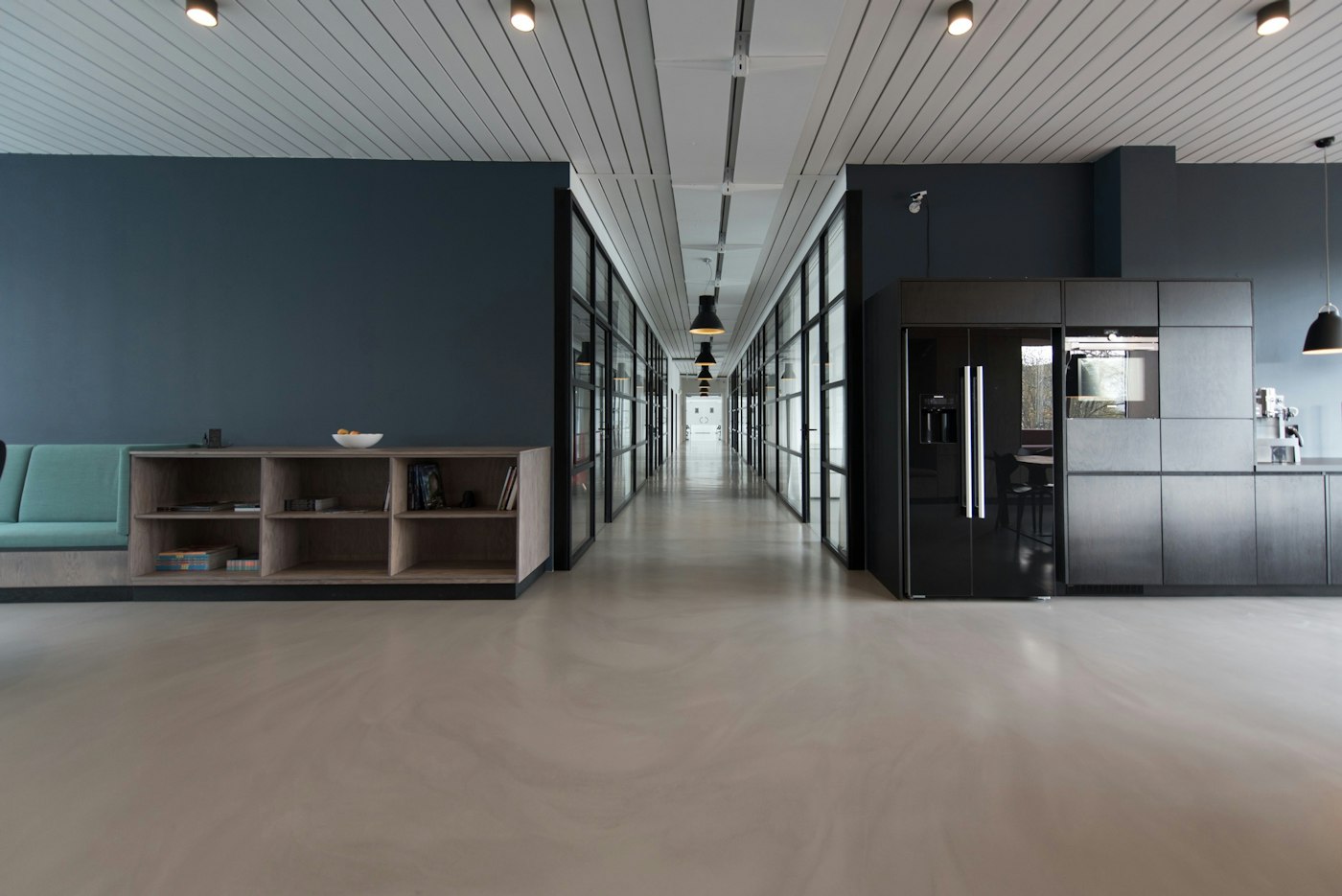
The hospitality industry's response to remote work has been largely cosmetic: an additional desk lamp, a USB port in the room, and a newsletter subject line mentioning 'workation'. Genuine remote worker accommodation requires something quite different: reliable, fast WiFi (not just strong in the lobby), a physical workspace that isn't a hotel desk designed for writing postcards, and an environment that allows for video calls without embarrassing backgrounds or acoustics.
Beyond those fundamentals, the best hotels for remote workers offer: long-stay rates that make extended bookings economically viable, coworking space as an alternative to the room, outdoor workspaces for laptop use in good weather, and locations with genuine cultural and recreational quality during off-hours.
What 'Fast WiFi' Actually Means
Speed requirements for remote work in 2026: 25 Mbps down/10 Mbps up is sufficient for most single-device video call users. 50+ Mbps is comfortable for simultaneous devices. 100+ Mbps is required for video editing, large file transfers, or collaborative work on large files. Ask hotels specifically for their WiFi speed (in Mbps, not 'high speed'), and whether the connection is dedicated or shared among all guests.
Independent testing has found that WiFi quality varies significantly even within the same property — rooms near the router can have 200 Mbps while rooms on the far end of a long corridor have 5 Mbps. Request a room near a network access point, or confirm the hotel operates room-level access points rather than a single router per floor.
Best Cities for Remote Working Hotel Stays
Lisbon: Europe's Digital Nomad Capital
Lisbon has been the leading European city for digital nomads since around 2018 and has built an infrastructure — co-working spaces, visa programmes, affordable coffee shops with WiFi — that rivals any city in the world. Portugal's D8 Digital Nomad Visa allows remote workers to legally reside and work from Portugal for up to two years.
Selina Mouraria Lisbon: Selina is the global leader in digital-nomad-optimised hotel accommodation, and the Mouraria property in Lisbon's historic Moorish quarter is one of their best. Coworking space with dedicated desks (bookable separately), private rooms with ensuite bathrooms, WiFi consistently testing at 100+ Mbps, and a community of like-minded travellers. From €80/night. Book Selina Mouraria Lisbon.
Bairro Alto Hotel: For remote workers who prefer the full hotel experience with all the amenities of a luxury property, Bairro Alto Hotel's library lounge and roof terrace provide excellent informal working environments, and the standard room desks are genuinely ergonomic. From €220/night (negotiate long-stay rates directly). Check Bairro Alto Hotel long-stay rates.
Bali: The OG Digital Nomad Destination
Bali, specifically Canggu, has been the world's digital nomad capital since the mid-2010s, and the infrastructure — from Dojo coworking space to dozens of café-offices — is extraordinarily well developed. The combination of fast internet, low cost of living, excellent climate, and international creative community makes it genuinely exceptional for extended working stays.
COMO Uma Canggu: COMO's surf-and-wellness Canggu property has made explicit accommodation for remote workers, with a dedicated coworking space, roof terrace with WiFi, and rooms designed around flexible working schedules. From $200/night. Book COMO Uma Canggu.
The Slow Bali: A 13-room design hotel in Canggu with the fastest WiFi in the area (fibre, 300 Mbps), outdoor workspaces with electricity points, and a roster of in-house events connecting creative travellers. From $150/night, with weekly rates available. Check The Slow Bali rates.
Medellín: South America's Rising Nomad Hub
Medellín's Poblado and Laureles districts have developed one of the world's best digital nomad ecosystems in the past five years — fast internet, excellent restaurants, warm weather year-round, and a local creative technology scene that provides real social integration opportunities.
Hotel El Ejecutivo: A business hotel in El Poblado with strong WiFi, meeting rooms available by the hour, and monthly rates that represent exceptional value — from $50/night on monthly contracts. Check Hotel El Ejecutivo Medellin.
The Click Clack Hotel: Medellín's most design-forward boutique hotel with a rooftop pool, consistent WiFi speeds of 80+ Mbps, and proximity to the best coffee shops and coworking spaces in Laureles. From $100/night. Book The Click Clack Hotel.
Bangkok: Asia's Remote Work Infrastructure Leader
Bangkok has the fastest average internet speeds of any major Southeast Asian city, an extraordinary food scene, affordable luxury hotels, and a cost of living that makes it one of the world's most economical places to do high-quality extended hotel stays.
Rosewood Bangkok: The most technically well-equipped luxury hotel in the city — gigabit fibre throughout the building, executive floor lounge as a working environment, private meeting rooms available for guests. From $180/night. Book Rosewood Bangkok.
Mövenpick BDMS Wellness Resort Bangkok: A wellness-focused hotel with dedicated workspace rooms (workpod rooms with standing desk and curved monitor included), rooftop running track, and swimming pool — designed explicitly for extended productive stays. From $100/night. Check Mövenpick BDMS Bangkok.
New York and London: Premium Remote Work Hotels
For remote workers who need to be in major cities for meetings while maintaining hotel accommodation, both New York and London have developed premium extended-stay offerings.
The Assemblage John Street — New York: A coworking and hotel hybrid in Manhattan's Financial District — hotel rooms above a full-service coworking space with private offices available by the day. From $200/night. Book The Assemblage NYC.
The Hoxton — Shoreditch, London: The Hoxton has built its entire brand identity around making hotels work for remote workers — open lobbies designed as working environments, fast WiFi, excellent coffee, long-stay rates available. The Shoreditch and Holborn properties are the best for working accessibility. From £150/night. Check The Hoxton Shoreditch rates.
The Remote Worker's Hotel Checklist
- WiFi speed: Ask for specific Mbps figures. 'High-speed' is marketing language.
- Desk quality: Request a room with a proper desk (not a vanity unit with a chair). Ask the hotel specifically.
- Noise: Request an interior or upper-floor room away from bars and street activity. Remote working requires concentration.
- Long-stay rates: Ask about weekly and monthly rates. Most hotels offer 15-30% discounts for extended stays not always visible on booking platforms.
- Video call environment: Check your room lighting and background before your first call. Room-facing windows with backlighting make video calls unwatchable. A neutral wall background is ideal.
- Kitchen or pantry access: For month-long stays, access to at least a kettle, microwave, and refrigerator significantly reduces food costs and improves daily comfort.
The Best Remote Work Visa Destinations for Hotel Stays
Countries with operational digital nomad visas where hotel extended-stays are particularly viable include: Portugal (D8 visa, 1-2 years), Costa Rica (Rentista visa), Barbados (12-Month Barbados Welcome Stamp), Indonesia (Bali's Second Home Visa), and Thailand's LTR Visa programme. Each has different requirements and cost structures — research the specific visa terms before planning an extended hotel stay.
The Workation vs Digital Nomad Distinction
Two categories of remote working traveller have emerged with distinct needs and different ideal hotel profiles.
The workationer is typically a salaried employee working remotely for a defined period — 1-4 weeks — while staying in a single quality location. Their priority is a reliable working environment that doesn't interfere with their professional performance, alongside recreation that makes the trip feel like more than a working week in a different location. They need: fast, consistent WiFi; a proper workspace; good sound isolation for calls; and access to a local hospitality scene in the evenings. They tend to book hotels in the €150-€350/night range and stay in one property for the duration.
The digital nomad is typically self-employed or freelance, moving between locations continuously, and prioritising total cost of living over hotel quality. Their accommodation decisions are driven by monthly cost, co-living community, proximity to co-working infrastructure, and visa requirements. They're more likely to book extended-stay apartments or co-living spaces than hotels, and their technology needs are managed through SIM card rotation, VPNs, and backup connectivity solutions that hotel-dependent travellers don't require.
This guide focuses primarily on the workationer profile — those who want hotel quality alongside genuine working functionality — while noting where specific hotel formats serve the digital nomad community particularly well.
Building a Remote Work Setup in Any Hotel Room
Even in hotels not explicitly designed for remote workers, a functional work setup can usually be constructed with the right preparation:
Portable gear: A foldable laptop stand (raises the screen to eye level, dramatically reducing neck strain on extended work sessions), a compact Bluetooth keyboard, and a portable mouse will transform a hotel desk setup. Total weight: under 400g; total cost: under $60.
Secondary connectivity: A 4G/5G portable hotspot (purchased locally or on arrival) provides a backup to hotel WiFi that is especially valuable when a client deadline coincides with the hotel's internet going down. In Japan, portable WiFi rental at the airport is a highly refined service; in Southeast Asia, a local SIM with data plan costs $5-15 for 30 days of fast data.
Noise management: Active noise-cancelling headphones are standard digital nomad equipment, but their value in hotel rooms extends beyond call quality — the ability to create a focused audio environment in a hotel room (with construction noise, corridors, HVAC systems) is worth the investment for anyone working extended hotel stays.
Video call background: Dedicate 5 minutes on arrival to identifying the best background for video calls in your room — typically a wall or bookshelf rather than a window (backlighting), and away from beds (suggests you're not working). Some hotels now have dedicated video call pods or booths in their coworking areas; ask when booking if this matters to you.
Tax and Legal Considerations for Long Hotel Stays
Working remotely from hotel accommodation in another country raises legal and tax questions that vary significantly by destination and home country. Key points:
Visa requirements: Working remotely while in most countries on a tourist visa technically violates the visa's terms in most jurisdictions. Digital nomad visas — now available in 50+ countries including Portugal, Croatia, Greece, Barbados, and Indonesia — provide legal authorisation for remote work. If you're planning an extended workation of 30+ days, investigate whether your destination offers a formal visa pathway.
Tax residency implications: Spending 183+ days in a calendar year in most countries triggers tax residency obligations. For workations of 4-8 weeks, this is rarely relevant. For digital nomads moving continuously, tax residency strategy is a specialist topic that warrants specific professional advice.
Employer policies: Many salaried employees working from hotels abroad are technically in violation of their employment contract's work location clauses. This has become an increasingly discussed issue as corporate HR policies adapt to remote work norms. Check with your employer before booking a multi-week workation stay abroad — many companies are accommodating but need advance notice for compliance and insurance purposes.
The Workation Productivity Framework
The risk of a workation is not the work — it's the balance. The most productive remote working hotel stays are those where clear working hours are established and respected, leaving the rest of the day genuinely available for the destination's pleasures.
Experienced workation travellers typically find that a 6-hour focused work block (7am-1pm or 9am-3pm local time) leaves the afternoon and evening completely available for exploration, dining, and recreation. This works particularly well in Southeast Asian time zones for US-based workers (evening US time = morning Southeast Asia) and in Southern European time zones for UK-based workers (morning UK time = morning Mediterranean time, with afternoons free).
The hotel environment supports this: a proper working session in the morning in your room or the hotel's coworking space, followed by lunch at the hotel or a local restaurant, followed by an afternoon activity (hiking, sightseeing, beach, cooking class), followed by dinner and evening leisure. The discipline required is primarily around committing to defined work hours — the hotel environment, unlike a home office, does not naturally reinforce boundaries between work and life.
Hotels with Dedicated Remote Work Programmes in 2026
A growing number of hotel groups have developed formal workation programmes that go beyond simply having WiFi and a desk:
Marriott's 'Work Anywhere' Programme: Extended stay rates at Marriott, Sheraton, and Westin properties globally, with a minimum 5-night stay requirement and monthly packages available. Dedicated 'working room' categories with upgraded desks, monitors, and enhanced connectivity at participating properties. Browse Marriott extended stay options.
The Hoxton's 'Working From a Hoxton' Programme: Day passes for coworking in their open lobby areas, with the option of booking 'daycation' packages that include room access for shower and rest combined with lobby working access. Available in London, Amsterdam, Paris, Rome, and Chicago. See The Hoxton work packages.
Selina's Global Coworking Network: Operating in 100+ locations across 25 countries, Selina combines hotel accommodation with integrated coworking spaces, community events, and nomad-specific programming. The coliving model — private room with shared working and social infrastructure — is explicitly designed for extended remote work stays. Monthly rates from $1,200 in Southeast Asia to $3,000 in Western Europe including accommodation and coworking access. Browse Selina locations worldwide.