Best Hotels for Remote Work & Digital Nomads in 2026
Hotels that understand remote workers — with fast WiFi, dedicated work spaces, long-stay rates, and environments where productivity meets pleasure.
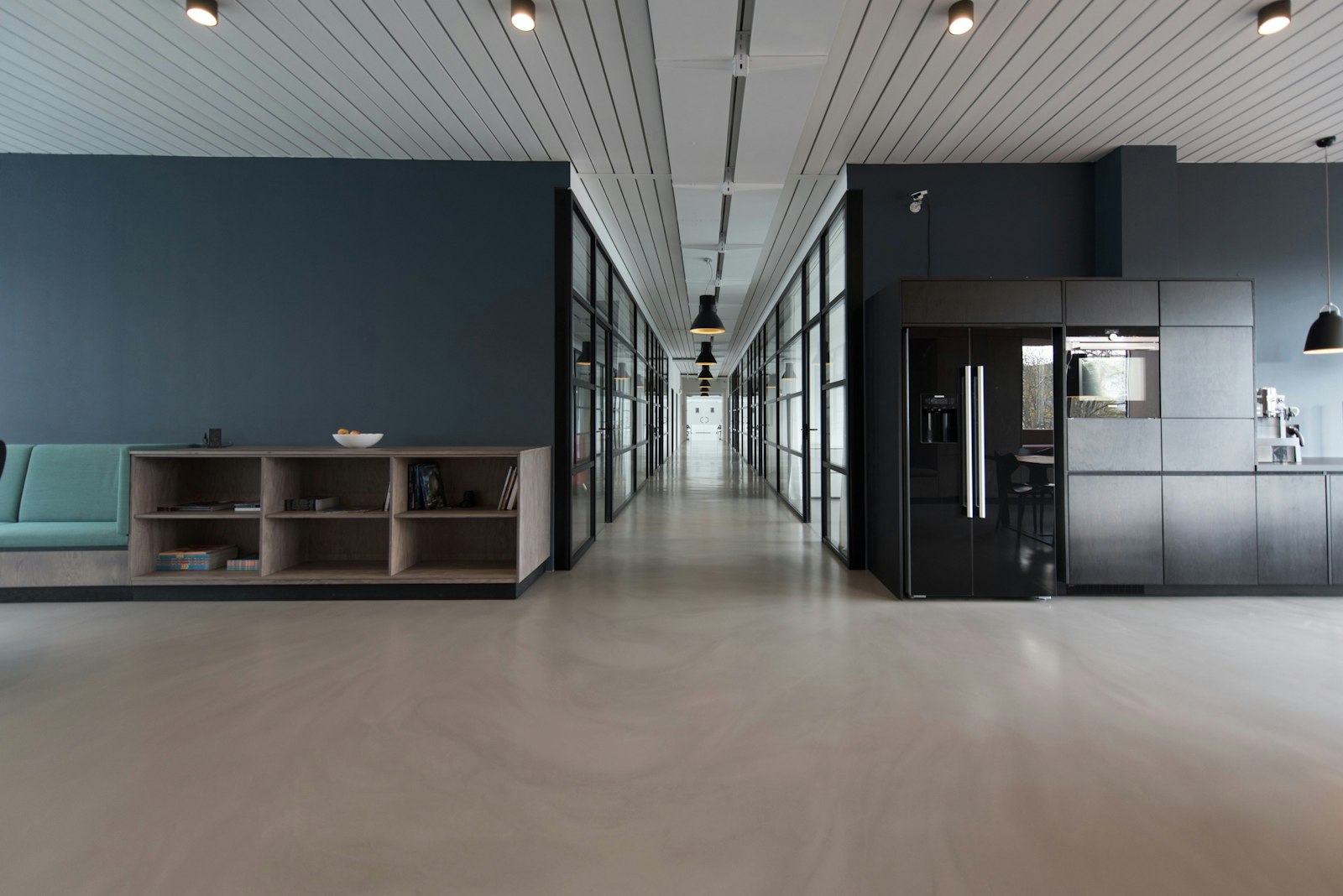
The Remote Work Hotel Revolution
The line between hotel and office has blurred permanently. A growing category of hotels now designs specifically for the remote worker: dedicated co-working spaces with ergonomic furniture, guaranteed high-speed internet with redundant connections, room layouts that include proper desks (not a cramped corner table), and rate structures that make week-long or month-long stays economically viable.
Southeast Asia: The Digital Nomad Heartland
Bali's Canggu and Ubud remain the spiritual home of the digital nomad, with hotels offering co-working spaces, fast fibre internet, and monthly rates that undercut weekly rates in European cities. Bangkok adds 24-hour food options, excellent public transport, and hotel co-working spaces rivalling dedicated offices. Chiang Mai rounds out the Southeast Asian trio with perhaps the best value proposition in the world for remote workers.
Europe: Where Culture Meets Connectivity
Lisbon has emerged as Europe's remote work capital, with hotels offering dedicated nomad packages: monthly rates, co-working spaces, and communities of international remote workers. Barcelona's hotel scene has adapted quickly, and Berlin's co-living hotel hybrids pioneer a new category entirely.
Latin America: The Rising Stars
Medellín, Mexico City, and Buenos Aires offer extraordinary value for remote workers who want quality hotels at emerging-market prices. The time zone advantage (overlap with US business hours), improving internet infrastructure, and vibrant cultural scenes make these destinations increasingly popular.
What to Look For in a Remote Work Hotel
Non-negotiable: WiFi speed above 50 Mbps with backup connectivity. A proper desk and chair in-room (test before committing). A quiet environment during work hours. Good natural light. Reliable power (look for properties with generators in developing destinations).
Nice to have: On-site co-working space, meeting rooms for video calls, printer access, strong coffee programme, gym for work-break exercise, and a community of other remote workers.
Frequently Asked Questions
How fast does WiFi need to be for remote work?
For video calls and screen sharing, you need minimum 25 Mbps download and 10 Mbps upload. The hotels on our list typically offer 100+ Mbps. Always test WiFi speed before committing to a long stay.
Are hotels or co-living spaces better for remote workers?
Hotels offer more comfort, service, and flexibility. Co-living spaces offer community and lower long-stay costs. Many remote workers alternate between both depending on their phase of travel.