The 25 Best Boutique Hotels in Europe for 2026
From Parisian townhouses to Venetian palazzos, these are Europe's most characterful small hotels — handpicked for design, service, and soul.
What Makes a Great Boutique Hotel
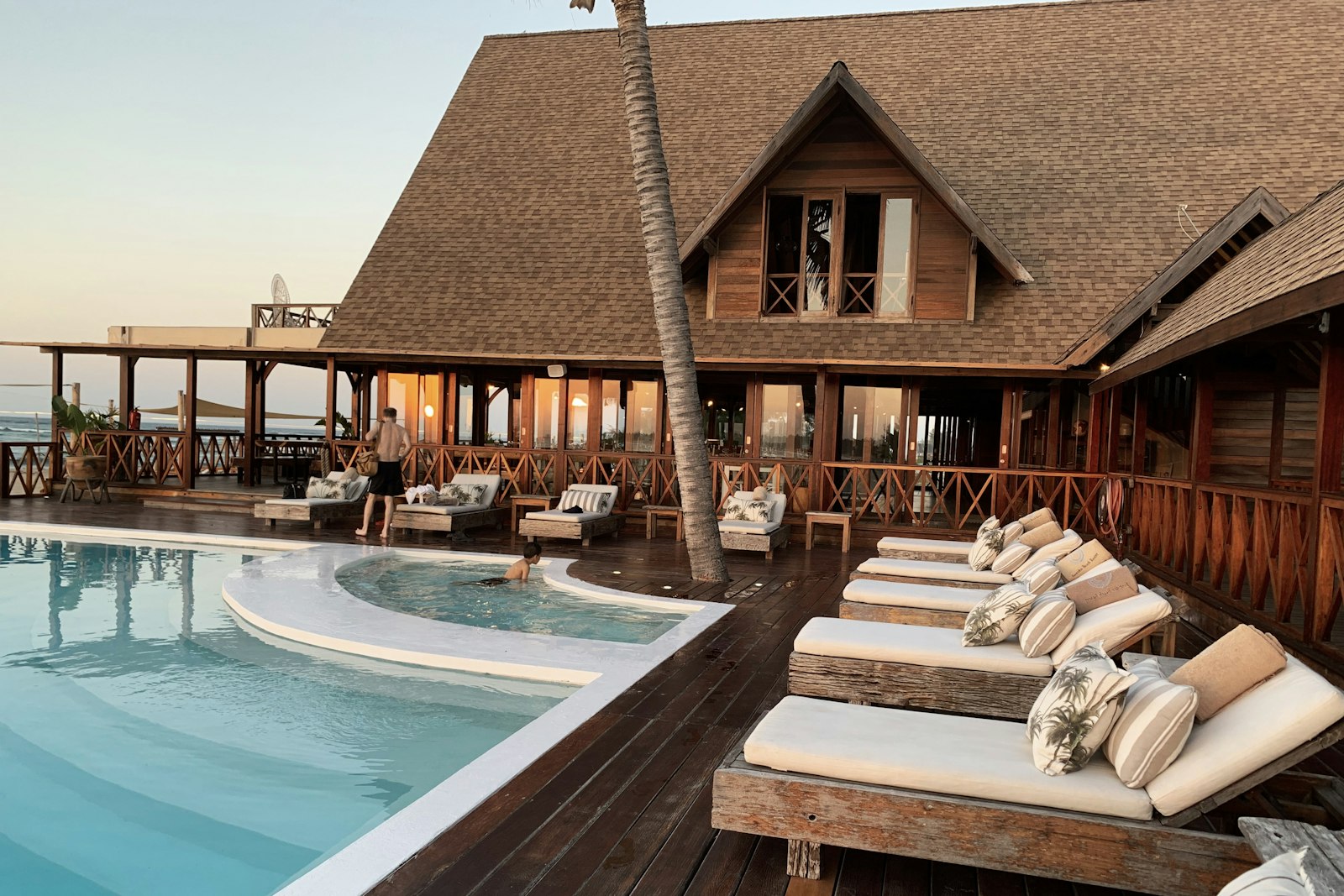
A boutique hotel isn't defined by room count alone — though smaller scale certainly helps. The best boutique properties share a common quality: they feel like staying in someone's exceptionally well-designed home rather than a corporate lodging product. Personal service that remembers your name. Design choices that reflect a singular vision. A connection to place that no international chain can replicate.
Europe, with its centuries of architectural heritage and deeply rooted hospitality traditions, excels at this form. From converted convents in Lisbon to canal-side mansions in Amsterdam, these 25 hotels represent the pinnacle of the genre.
Paris: Where Boutique Hospitality Was Born
Paris arguably invented the boutique hotel concept, and the city continues to refine it. The Left Bank still harbours literary salons disguised as hotel lobbies, while the Marais hides townhouse hotels behind unassuming doors. What separates a Parisian boutique from the rest is that unquantifiable quality the French call allure — a gravitational pull that makes you want to linger in the bar long after your nightcap is finished.
Look for properties in Saint-Germain-des-Prés and the Marais for the quintessential experience. The best combine period architecture (think exposed beams, stone walls, wrought-iron balconies) with contemporary art and design that feels neither precious nor overthought.
Italy: Heritage Hotels with Modern Soul
Italian boutique hotels occupy a special niche: they're often housed in buildings of genuine historical significance — Renaissance palazzi, converted monasteries, medieval towers — and managed by families who've been in hospitality for generations. Florence, Venice, and Rome each offer distinctive interpretations.
In Florence, seek out properties in the Oltrarno neighbourhood, where artisan workshops still operate at street level and the tourist crowds thin dramatically. Venice's best boutiques hide in Dorsoduro and Cannaregio, where canals are quieter and the city reveals its residential soul. Rome's boutique scene thrives around the Spanish Steps and Monti, where ancient streets meet contemporary Italian design.
The British Isles: Understated Excellence
British boutique hotels trade Mediterranean flamboyance for something more restrained but equally compelling: impeccable service, literary references, rain-streaked garden views, and the quiet confidence that comes from doing hospitality well for centuries. London's boutique scene is scattered across Marylebone, Notting Hill, and Shoreditch, each neighbourhood lending its character to the properties within it.
Beyond London, the Cotswolds, Edinburgh, and Bath offer countryside and city boutiques that might be among Europe's finest — stone-built coaching inns reimagined by leading designers, with restaurants showcasing hyper-local ingredients.
Scandinavia & Northern Europe: Design-Forward Simplicity
Scandinavian boutique hotels reflect the region's design philosophy: clean lines, natural materials, and a democratic approach to luxury that makes excellence feel effortless rather than exclusive. Copenhagen leads the charge, with converted warehouses and harbourside hotels that combine Danish hygge with world-class gastronomy.
Amsterdam's canal houses have been converted into some of Europe's most characterful small hotels. Stockholm and Helsinki contribute their own distinct aesthetics — Swedish warmth meets Finnish modernism, always underpinned by sustainable practices that feel integral rather than performative.
The Iberian Peninsula: Sun, Soul & Substance
Spain and Portugal have experienced a boutique hotel renaissance. Lisbon's Alfama and Chiado districts now harbour converted palaces and warehouse hotels that marry azulejo-tiled heritage with contemporary Portuguese design. Barcelona's Eixample and Gothic Quarter offer architectural hotels where Gaudí's influence is never far away.
The Iberian approach to hospitality is warmth without formality — expect exceptional food, genuine interest in your experience, and a relaxed pace that matches the climate.
Eastern Europe: The New Frontier
Prague, Budapest, and Kraków represent boutique hospitality's most exciting growth market. Restored Habsburg-era mansions, converted industrial spaces, and centuries-old townhouses are being transformed by a new generation of hoteliers who combine deep local knowledge with international standards.
Prices here offer remarkable value compared to Western Europe, but the experience — particularly the dining and cultural programming — increasingly rivals anything on the continent.
How to Book Boutique Hotels
For the best experience at European boutique hotels, book directly through the hotel's website. Many offer perks for direct bookers — room upgrades, welcome drinks, or flexible cancellation — that aren't available through third-party sites. Boutique hotels also respond well to pre-arrival communication: mention a special occasion, dietary requirement, or particular interest, and you'll often find thoughtful surprises waiting in your room.
Shoulder season (May-June and September-October) delivers the ideal combination of pleasant weather, manageable crowds, and competitive rates across the continent.
Frequently Asked Questions
What defines a boutique hotel?
Boutique hotels are typically smaller properties (under 100 rooms) with distinctive design, personalised service, and a unique sense of place. They prioritise character over standardisation.
Are boutique hotels more expensive than chains?
Not necessarily. While some luxury boutiques command premium rates, many offer competitive pricing with far more character than similarly priced chain hotels.
How do I choose between so many options?
Consider what matters most: location, design style, dining, spa facilities, or local experiences. Our reviews highlight each hotel's standout qualities to help you match your priorities.