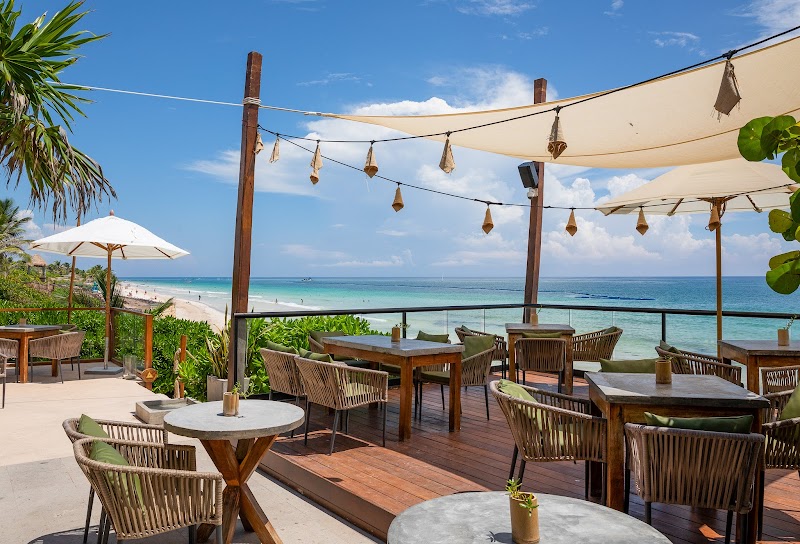
Understanding Tulum requires understanding the geography of its two-speed economy. The Beach Zone road — Carretera Tulum-Boca Paila — runs through a protected biosphere corridor parallel to the Caribbean coast, lined with hotels that charge $200–$1,500 per night. Tulum Pueblo (also called Tulum town or Tulum centro) sits on the other side of the federal highway (Federal 307), roughly two kilometres inland. Between them sits the planned residential and commercial quarter of Aldea Zama, which has developed its own hotel micro-market over the past decade.
The distinction between Pueblo and the Beach Zone is not just economic — it's experiential. The Beach Zone hotels are almost universally adults-only, eco-resort-branded, and oriented almost entirely toward the beach, wellness programming, and their own restaurants. Pueblo is a functioning Mexican town: the main drag (Avenida Tulum) has pharmacies, banks, hardware stores, and taco stands alongside the boutiques and mezcal bars that have proliferated with tourism's growth. The parallel streets — Calle Centauro, Calle Osiris, Calle Acuario — have some of the Yucatán's best independent restaurants, operating at prices that make Beach Zone dining seem like a sustained financial decision.
For travelers who come to Tulum primarily for the archaeological site, the cenotes, the biosphere, and the culinary scene — rather than for the beach-and-wellness retreat — Pueblo is simply the correct base. The Tulum ruins are a $5 taxi or easy bicycle ride from the town center. Gran Cenote, arguably the most beautiful open cenote in the Yucatán, is 4 kilometres west on the Cobá road — reachable by bicycle in 20 minutes or by colectivo for $2. Dos Ojos, the famous cavern diving cenote, is 12 kilometres further. The colectivo network connects Pueblo to Playa del Carmen (45 minutes, $4), Cobá (45 minutes, $5), and Valladolid (2 hours, $8) — making the town a genuinely practical hub for Yucatán exploration.
The bicycle is the cultural currency of Tulum Pueblo. Rental shops on Avenida Tulum charge $8–$10/day for hybrid bicycles, and the flat terrain (the Yucatán Peninsula has almost no elevation change) makes cycling the town entirely manageable regardless of fitness level. The dedicated bike lane on the Tulum-Cancún highway connects Pueblo to the Beach Zone entrance — a 15-minute ride that makes beach access genuinely simple without the taxi cost. The informal cycling culture extends to the beach road itself, where a wide gravel shoulder accommodates bikes alongside the slow-moving traffic.
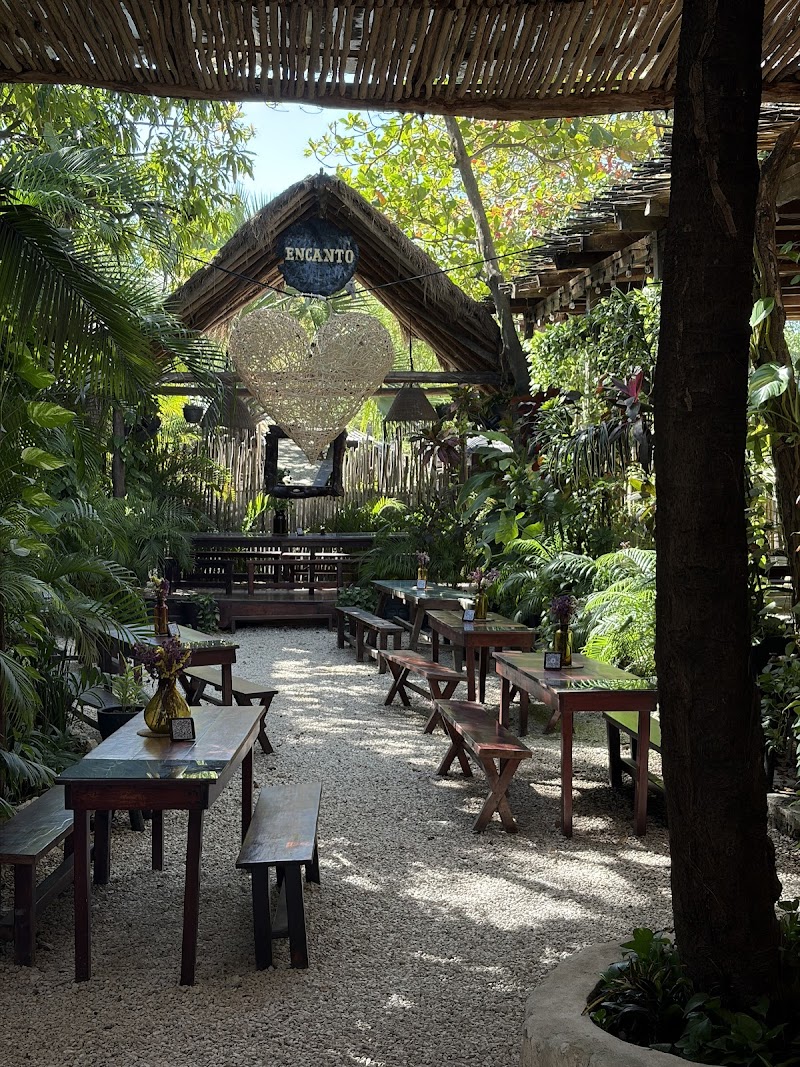
The restaurant scene in Pueblo is one of the most underreported food stories in Mexico. A wave of chefs — Mexican and international — opened restaurants here through 2015–2022, drawn by lower rents, proximity to the Caribbean's extraordinary seafood supply, and access to the Mayan kitchen's extraordinary ingredient base: chaya, achiote, habanero, xcatic chile, and the cenote fish (mojarra) that appear on no tourist menu but define local cooking. The result is a dining scene ranging from excellent al pastor tacos at 11pm from a street cart to destination-level tasting menu restaurants where the cooking reflects genuine conversations between Mexican tradition and global technique.
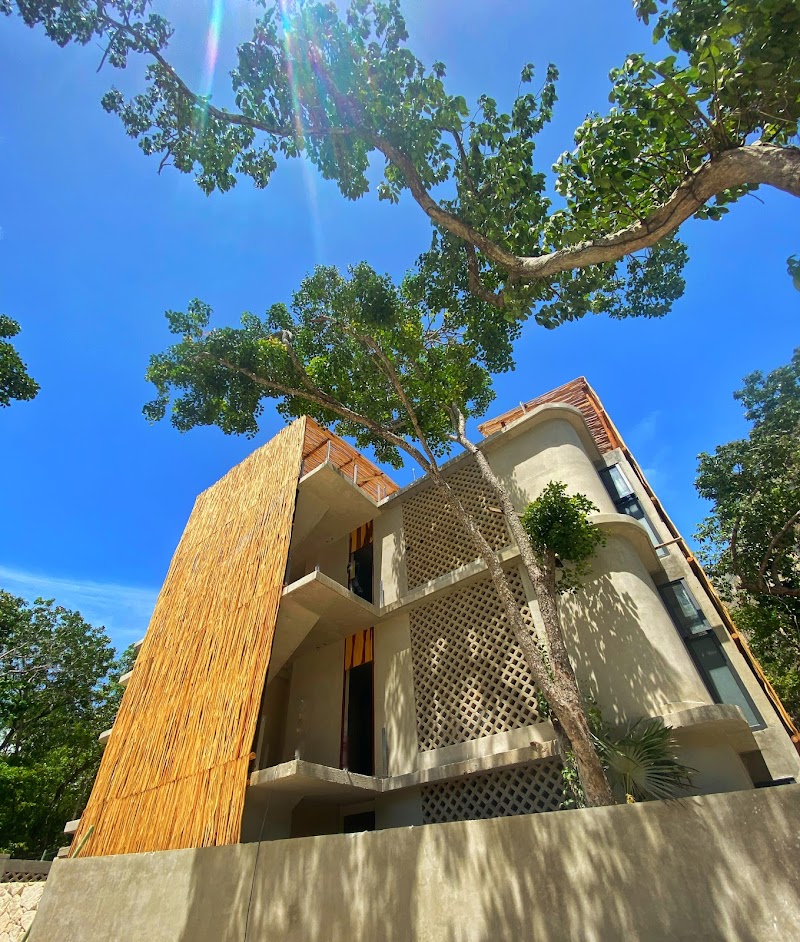
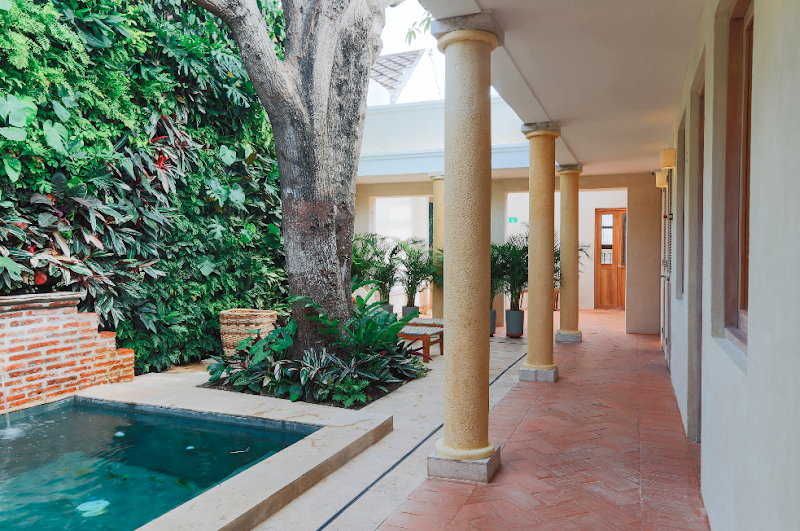
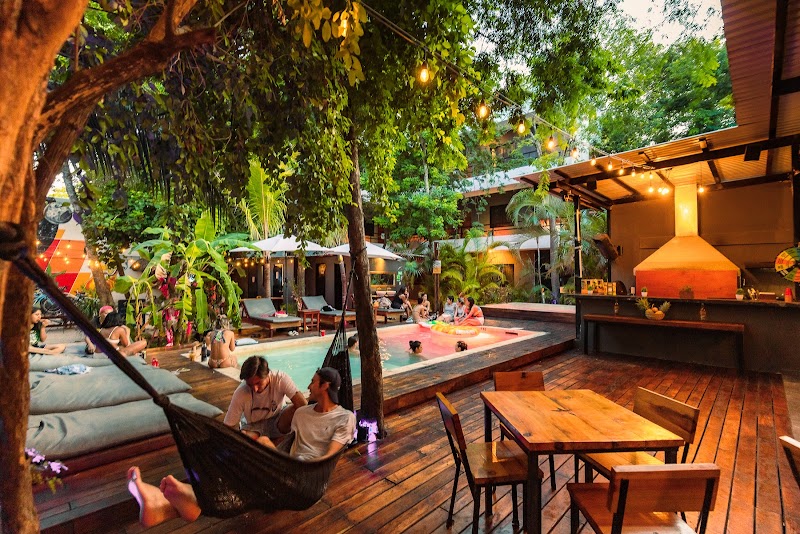
Hotels in Pueblo range from backpacker hostels at $15/night to design boutiques at $80–$150/night. The best Pueblo hotels compete on design, service quality, and location rather than beach access — the winning formula is a rooftop pool with jungle views, air-conditioned rooms with local materials, and a restaurant good enough that guests eat on site some evenings rather than always heading out. Hotel Mezzanine established this template and remains the benchmark; several newer properties have followed with their own variations.
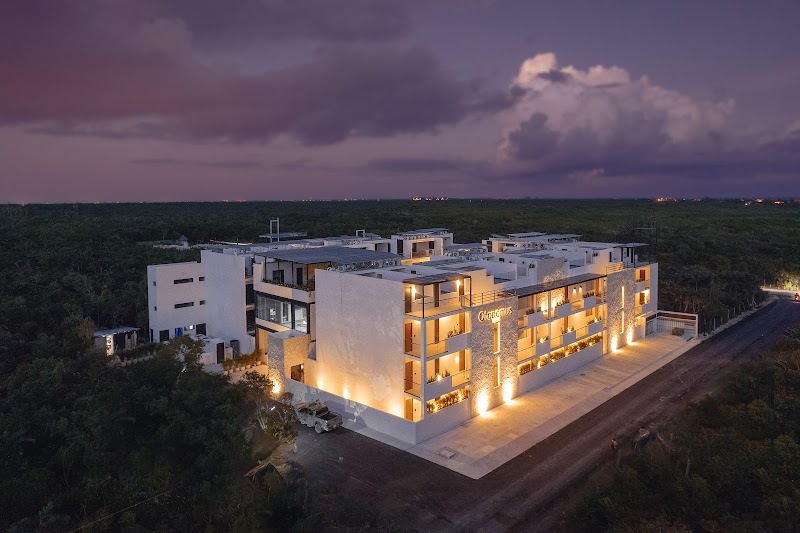
Aldea Zama, the planned development between Pueblo and the beach, deserves mention here because its hotel stock is geographically and conceptually closer to Pueblo than to the Beach Zone. The quarter's streets are paved, quiet, and well-planted — a significant quality-of-life improvement over central Pueblo's slightly chaotic main drag. Several Aldea Zama boutique hotels provide shuttle service to the beach, and the bicycle connection to the Beach Zone entrance is the same 15-minute ride from Pueblo. Prices run $10–$40/night higher than Pueblo equivalents, with better design and a quieter environment as the justification.
For first-time visitors choosing between Pueblo and the Beach Zone: if your primary Tulum goal involves the beach, the ecology, or a specific Beach Zone wellness retreat, stay on the strip. If you want to explore the Yucatán, eat excellent food, visit multiple cenotes, and experience Tulum as a place where people actually live — Pueblo is the right choice, and the money you save on accommodation is better spent on cenote entries, a Sian Ka'an tour, and several dinners at the town's best restaurants.