Tulum's identity as an eco-destination predates Instagram, the DJ circuit, and the $800-per-night treehouse villa by about two decades. The early hotels on the beach strip — the cabañas and simple palapa properties that drew a small community of Mexican artists, surfers, and international travelers in the 1990s and early 2000s — operated without electricity, without piped water, and without paved road access because those things simply didn't exist. What they had was an extraordinary natural environment: a Caribbean coast backed by jungle, fronted by a coral reef, and governed by a biosphere reserve that prohibited the mass-development model that had already consumed Cancún to the north.
That environmental framework persists today, albeit under increasing pressure. The Sian Ka'an Biosphere Reserve — a UNESCO World Heritage Site covering 528,000 hectares of jungle, wetlands, reef, and coastline — begins immediately south of the hotel strip. The Reserve prohibits all hotel development within its boundaries. The hotel zone itself is subject to height restrictions (no building over two storeys), building footprint limits, and environmental impact assessments for new construction. In practice, enforcement of these restrictions has been inconsistent and corruption in the permit process has enabled some developments that shouldn't exist — but the framework is real, and the best properties operate within its spirit as well as its letter.
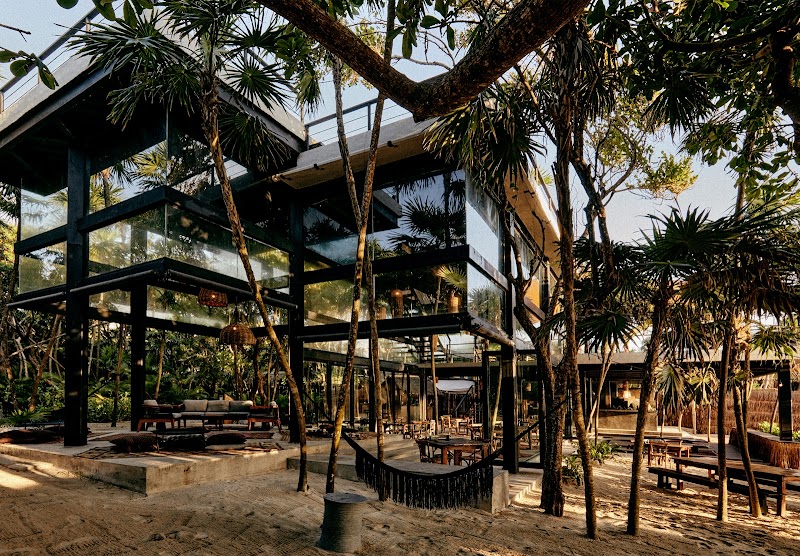
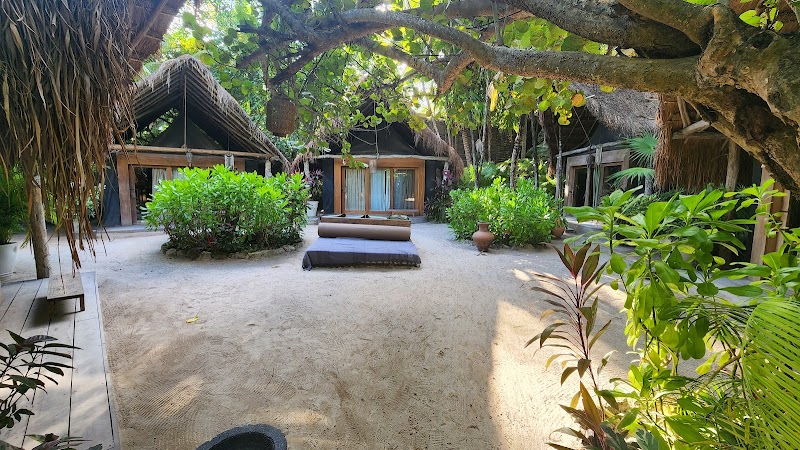
Authentic eco-certification in Tulum is rare and worth checking. The Mexican government's Distintivo H (hygiene certification) is common; genuine environmental certifications — Rainforest Alliance, EarthCheck, or Green Globe — are far rarer. Azulik and Papaya Playa Project have the strongest documented sustainability programs. Bambu Tulum and Punta Piedra operate with solar, rainwater collection, and organic-waste composting as genuine operational standards rather than marketing claims.
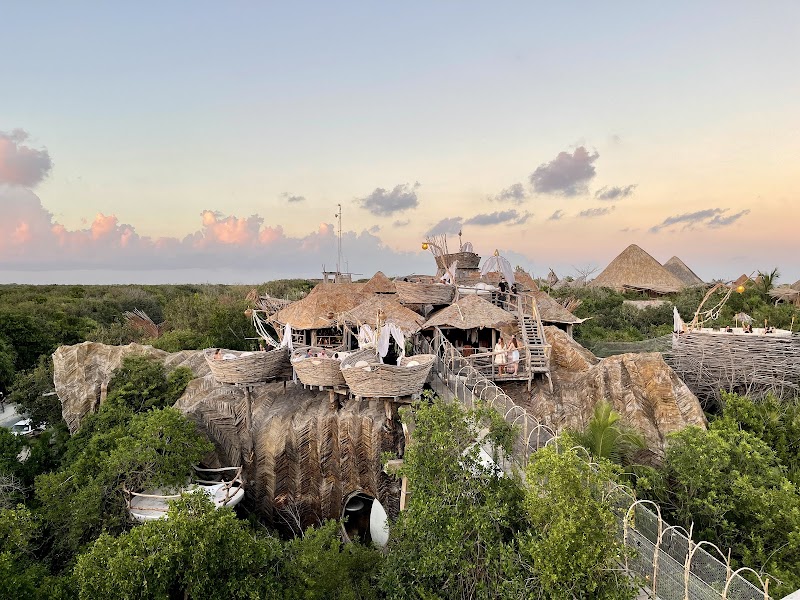
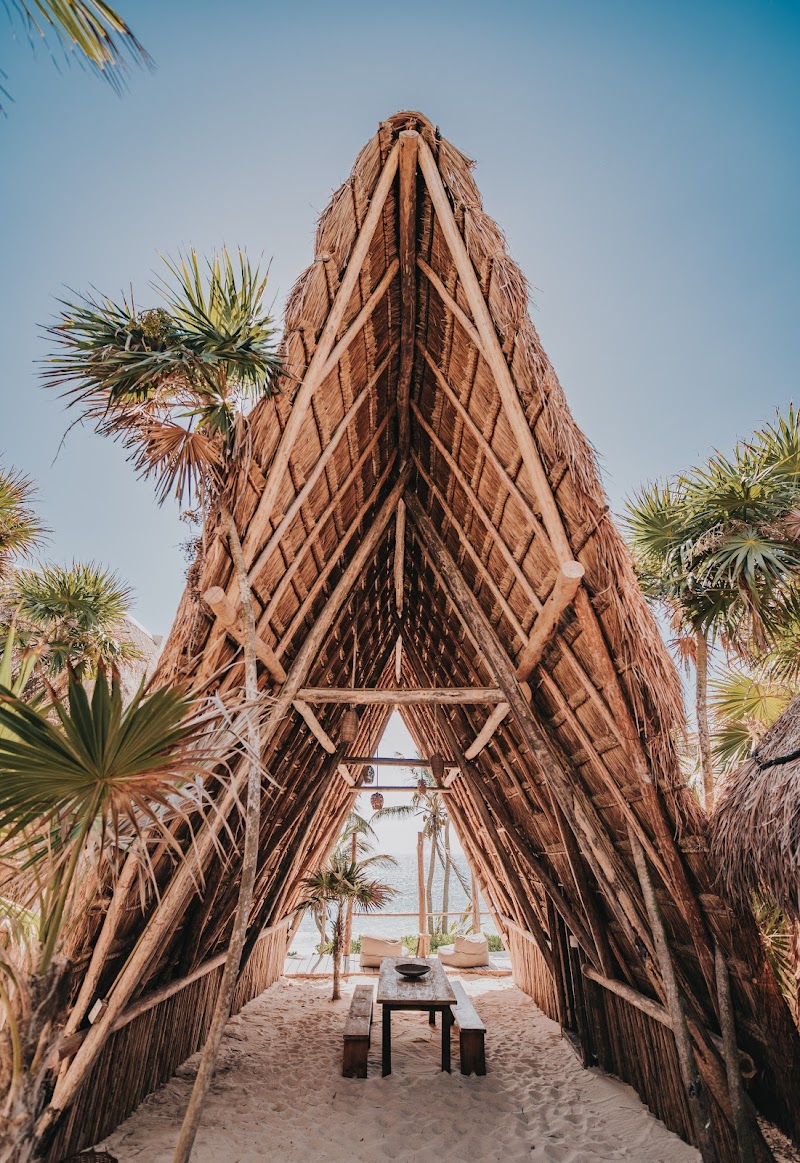
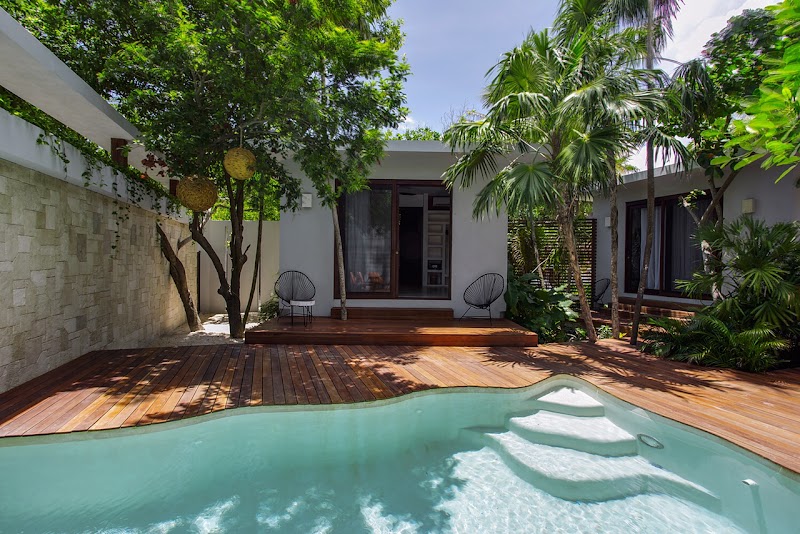
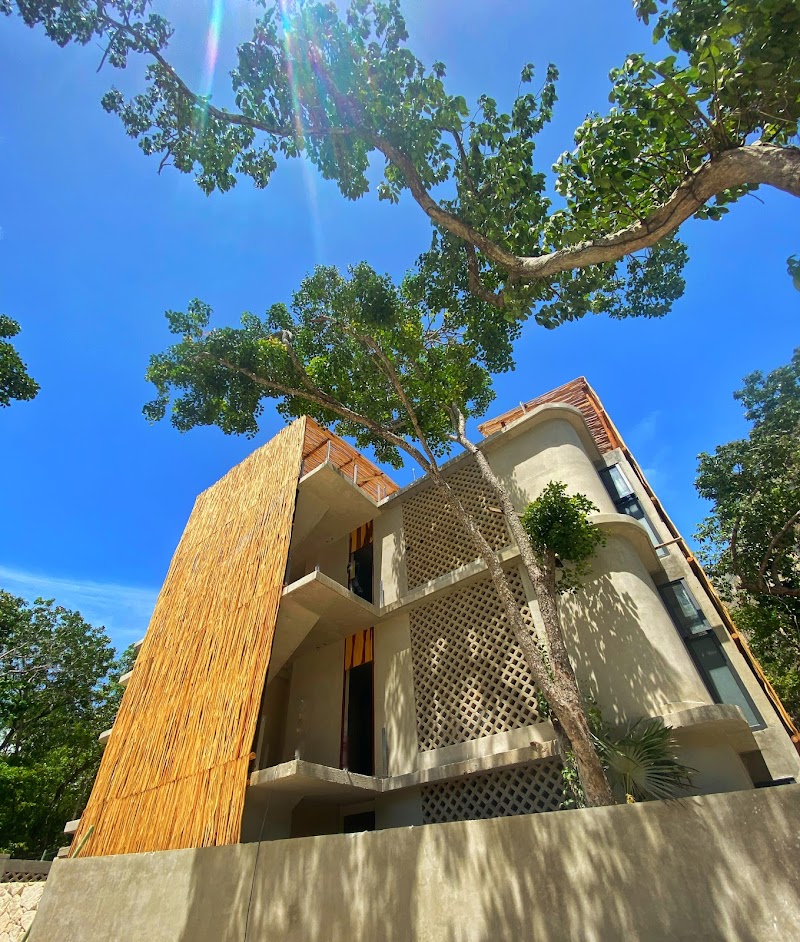
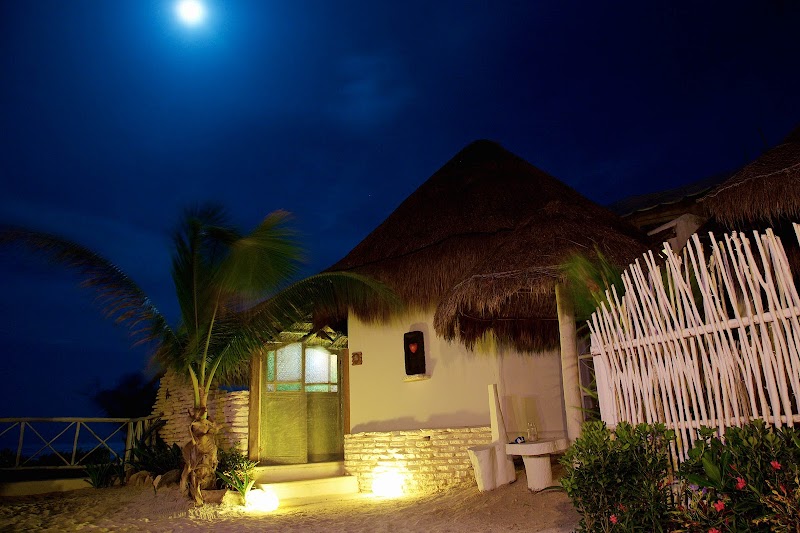
The most meaningful eco-architecture in the Beach Zone starts with materials and passive cooling. The best properties use locally sourced hardwood or bamboo, palapa (palm-leaf thatched) roofs that provide natural insulation, and site orientation that captures prevailing Caribbean breezes to cool rooms without mechanical refrigeration. Azulik's organic architecture — tree forms built from reclaimed hardwood without right angles — is the extreme expression of this approach. Papaya Playa Project's farm produces much of the food served in its restaurant, closing a supply chain loop that few hotels anywhere achieve.
The water situation in Tulum requires particular attention from the eco-perspective. The Yucatán Peninsula has no rivers — all freshwater is underground, flowing through the vast cenote and cave system that underlies the entire region. The aquifer system that provides this water is directly vulnerable to contamination from the hotel strip's waste. Responsible hotels use closed sewage systems, gray-water recycling, and refuse single-use plastics throughout. Several Beach Zone properties still use septic systems that are inadequately sealed — an environmental failure that no amount of palapa roofing and solar panels can compensate for.
For guests who want to experience Tulum's natural environment beyond the hotel beach, the eco-properties are typically better positioned than their luxury-lifestyle competitors. The Sian Ka'an tours that depart from the southern end of the hotel strip — kayaking through flooded mangrove channels, swimming in natural lagoons, spotting whale sharks offshore in season (June–September), and visiting the fly-fishing flats that the reserve manages sustainably — are among the best wildlife experiences in the Caribbean. The eco-hotels tend to be the ones actively promoting and organizing these tours, hiring local guides, and contributing a percentage of tour revenue back to the Reserve's management fund.
One honest note: 'eco' in Tulum exists on a spectrum. At one end are properties with genuine environmental programs, third-party certifications, and operational decisions made around ecological impact. At the other end are hotels that use palm thatch, serve smoothies in clay cups, and call themselves eco while piping wastewater into the cenote system. The properties in this guide have been selected based on documented programs, multi-year guest reviews that confirm operational standards, and where possible, third-party certification. No hotel is perfectly sustainable, but these are the ones making honest efforts.