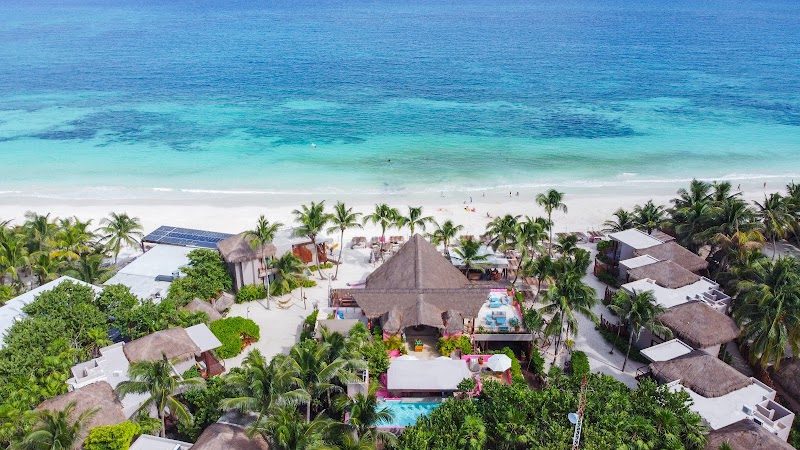
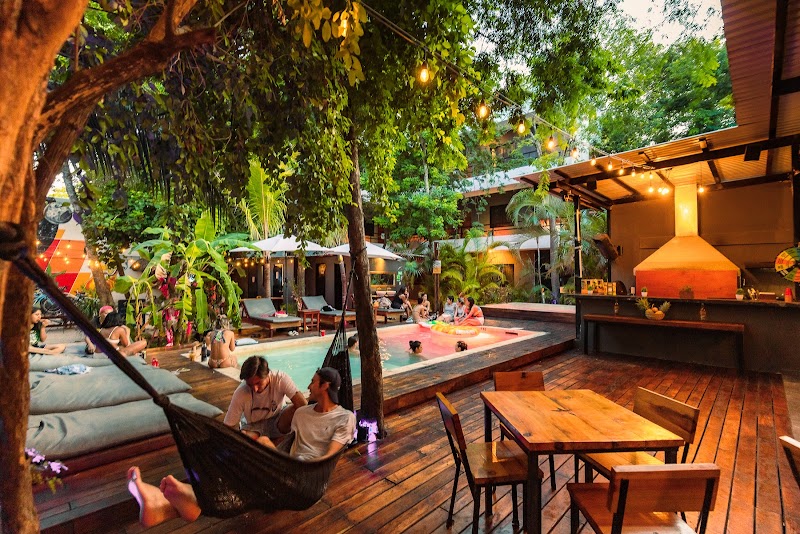
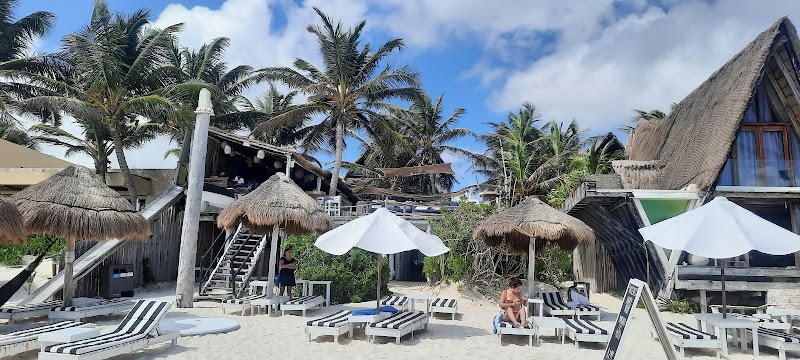
The first rule of budget travel in Tulum is spatial: stay in Pueblo, visit the beach. The Beach Zone hotels charge a premium that has no relationship to standard hotel economics — you're paying for a biosphere, a building permit scarcity, an Instagram mythology, and genuinely beautiful palm-lined coast. For budget travelers, the premium is impossible to justify when you can stay in Pueblo's excellent guesthouses, rent a bicycle for $8/day, and cycle to the beach in 15 minutes.
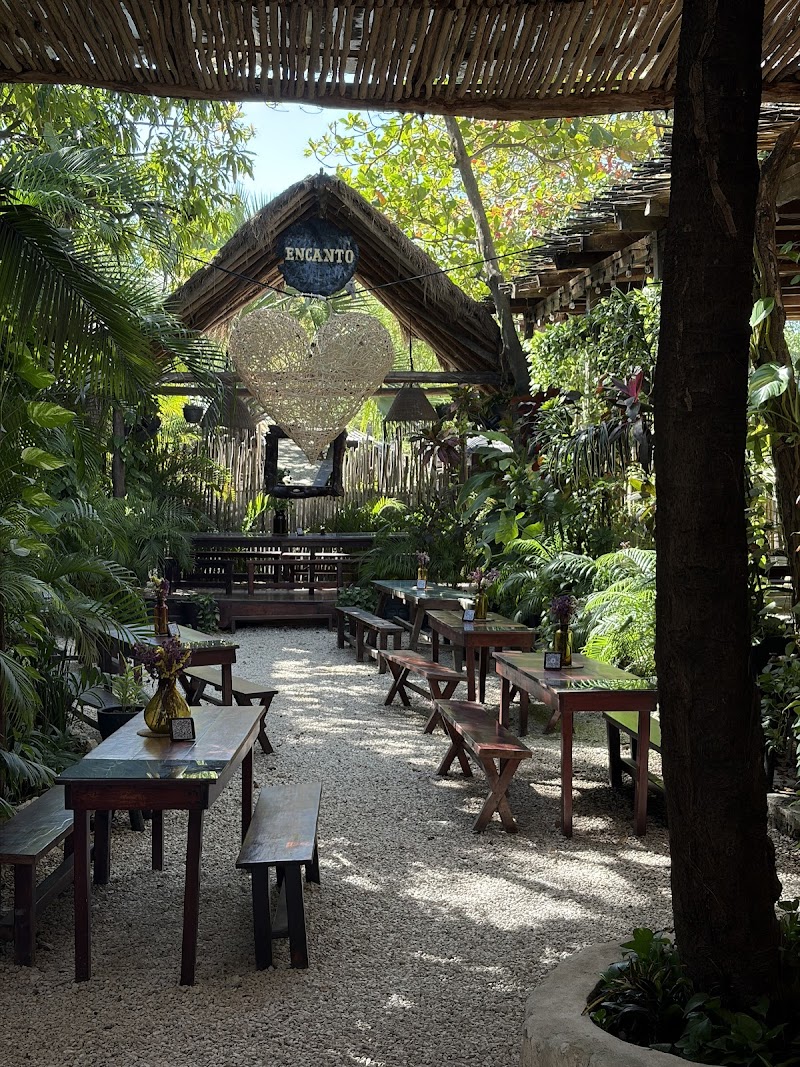
Pueblo — officially Tulum town — runs along the main Avenida Tulum corridor with several parallel streets of increasing local character. The market (Mercado 28-style), the ADO bus station, and the cluster of taco stands along Calle Osiris are all within walking distance of most Pueblo hotels. The town has developed significantly over the past decade: what was a scrappy backpacker hub in 2010 is now a mix of genuine budget options, excellent mid-range boutique hotels, and restaurants that punch far above their price points. A dinner of al pastor tacos, guacamole, and a cold XX costs $6 at the market; that same meal on the Beach Zone would be $30–$40.
The cenotes — Tulum's true unmissable experience — are actually easier to access from Pueblo than from the Beach Zone hotels. Gran Cenote sits on the Tulum-Cobá road, 3 kilometres from Pueblo by bicycle. The entrance fee is $15–$20 USD. Dos Ojos is 11 kilometres away — doable on a bicycle if you're fit, or $15 in a colectivo taxi. Most budget hotels in Pueblo either rent bicycles on site or direct guests to nearby rental shops.
The ADO bus connection from Pueblo is the most practical budget transport option in the Yucatán. The Cancún airport bus (90 minutes, $25) is far cheaper than any private transfer. Playa del Carmen (45 minutes, $7) and Valladolid (2 hours, $10) are both excellent day trips. Chichén Itzá is on the same ADO route as Valladolid — a $15 round-trip from Pueblo to one of the world's great archaeological sites.
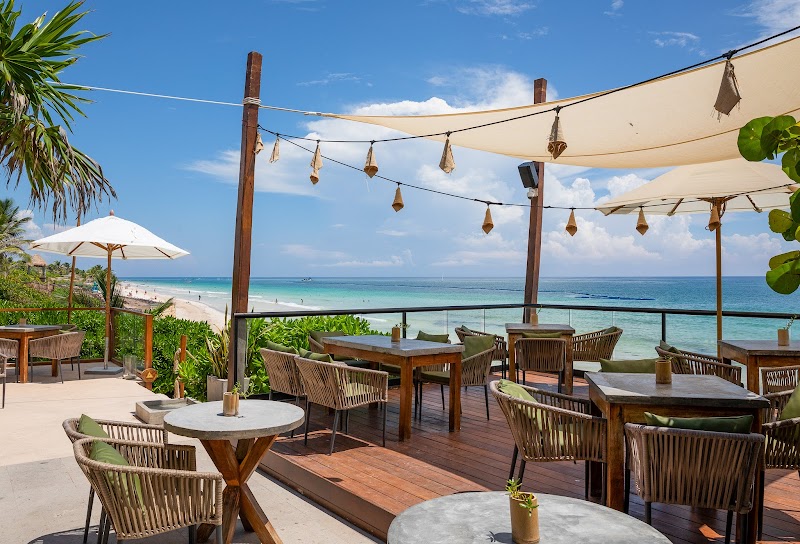
For guests who want to experience the Beach Zone without paying for it, the honest approach is a day-visit. Several Beach Zone clubs and restaurants — including some associated with the major hotels — sell day passes that include beach access, a sun lounger, and a food and drink credit for $50–$80 USD. This is one-third to one-fifth the cost of a night at those same properties and grants you the full beach experience. Arrive by 9am to get the best position before tour groups from the ruins arrive.
Alternatively, Aldea Zama — the planned residential quarter between Pueblo and the beach, about 2 kilometres from the Hotel Zone entrance — offers a middle-ground accommodation tier. Hotels here run $80–$150/night, and several provide shuttle service to the beach. The neighborhood is cleaner and quieter than central Pueblo, more walkable than the beach strip, and reasonably connected by the bike routes that define Tulum's transport culture.
Budget travelers should be aware of a few Tulum-specific costs that add up quickly regardless of accommodation choice: cenote entries ($15–$30 per site), Tulum ruins entry ($4), tuk-tuk taxis at night ($5–$10 per trip), and the premium that anything on or near the beach strip carries. A careful budget traveler staying in Pueblo, cycling to the beach and cenotes, eating at the market and street tacos, and skipping the beachclub scene can manage Tulum comfortably on $60–$80 per person per day including accommodation. That same daily spend wouldn't cover a night at a Beach Zone property.