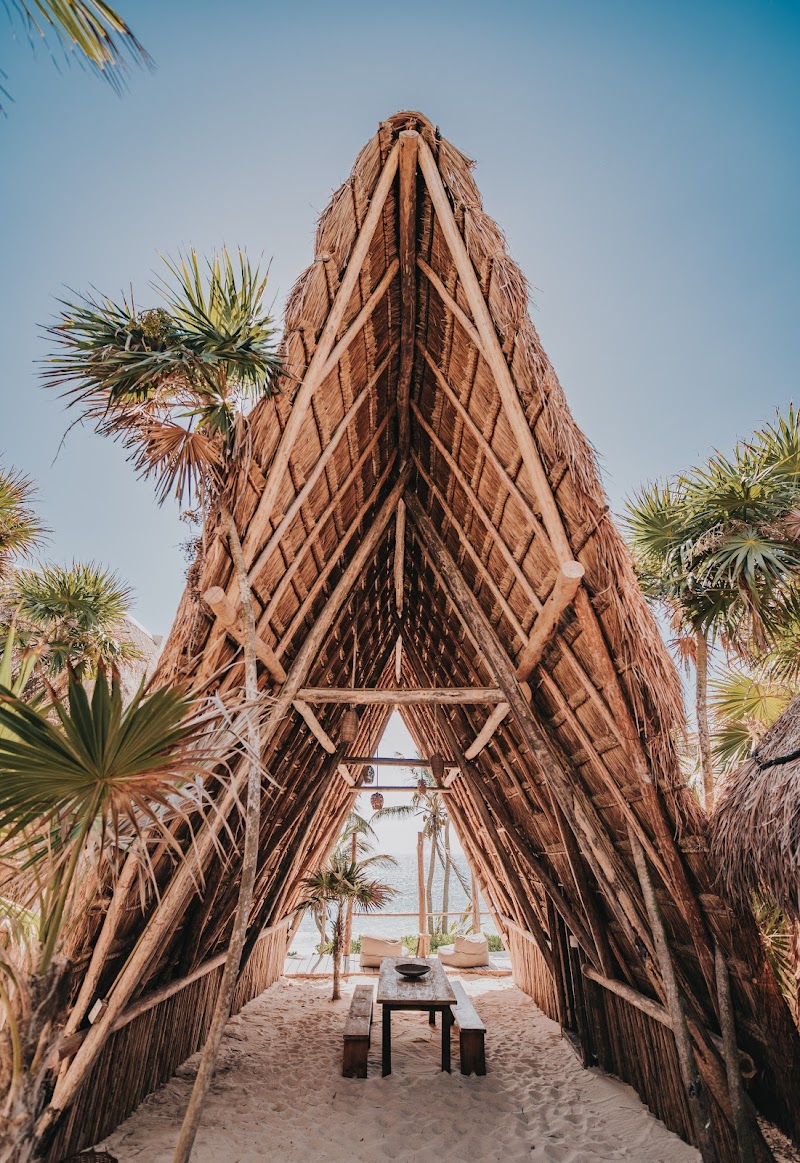
The phrase 'all-inclusive Tulum' requires some unpacking, because Tulum and all-inclusive exist in a somewhat uneasy relationship. The destination built its identity on the opposite of the Cancún all-inclusive model — small, independent, eco-conscious properties where the culinary philosophy favors locally sourced organic meals rather than buffet stations running around the clock. That said, the demand for all-inclusive options in and around Tulum is real, the search volume is substantial, and the market has responded with a spectrum of options ranging from genuine boutique all-inclusive packages at Beach Zone properties to larger resort-format all-inclusives in the nearby Riviera Maya corridor.
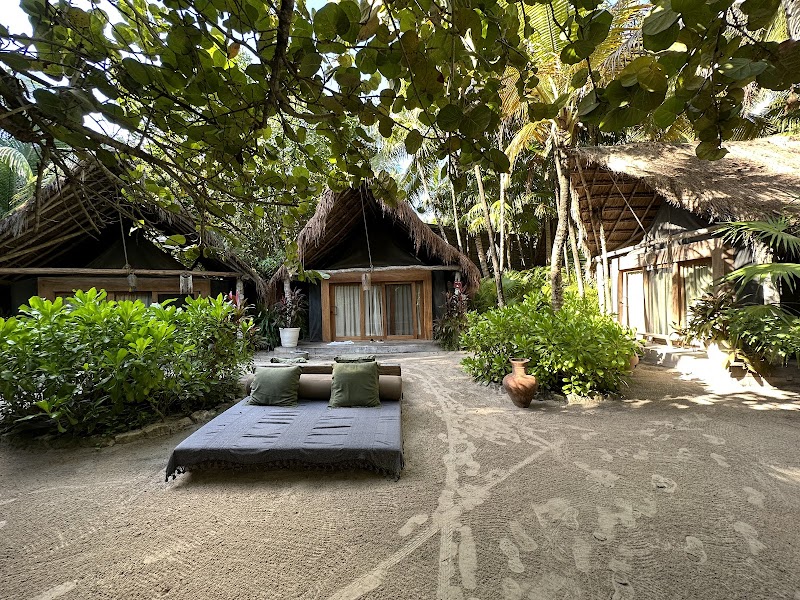
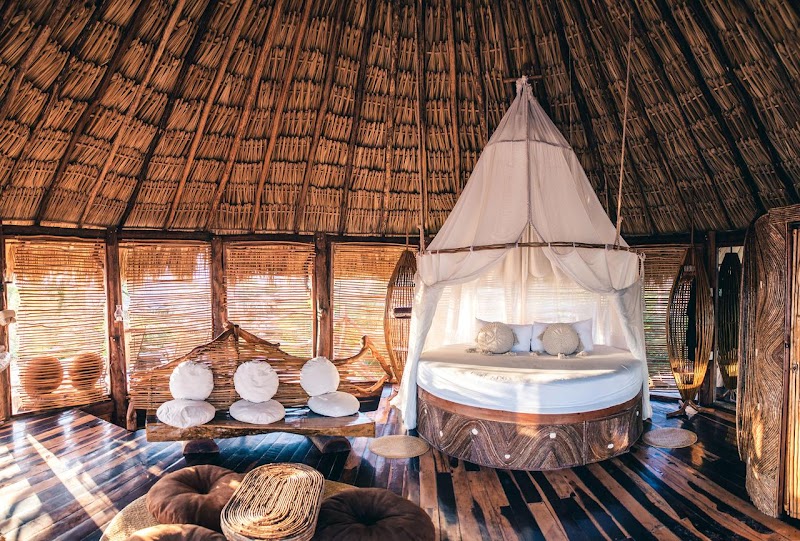
The most authentic version of 'all-inclusive Tulum' comes from Beach Zone properties that offer meal-package rates alongside room-only bookings. Nomade Tulum, for example, offers guest packages that include breakfast and dinner, effectively bundling the cost of two meals at their acclaimed restaurant into the room rate. This is different from the unlimited-alcohol model of Cancún, but for guests focused on wellness and high-quality food rather than free margaritas, it's actually the better deal. The food quality at top Tulum properties is genuinely excellent — farm-sourced, thoughtfully prepared Mexican cuisine that you'd pay $40–$80 per person for at dinner anyway.
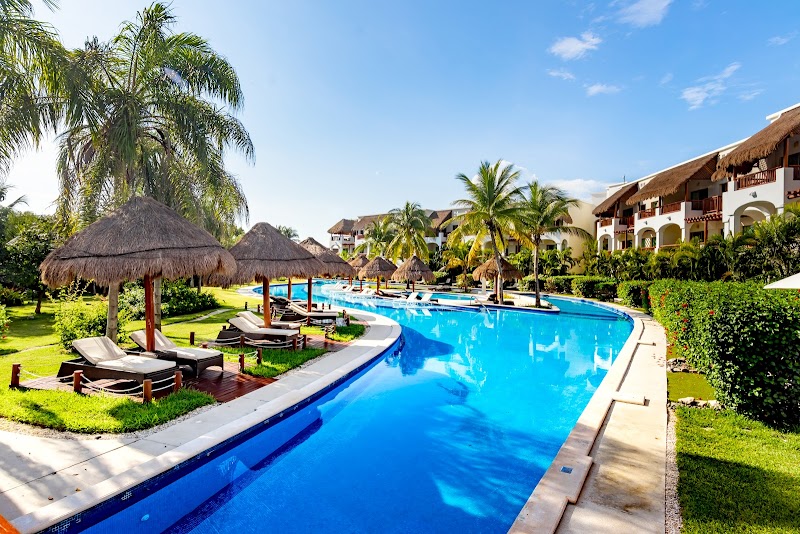
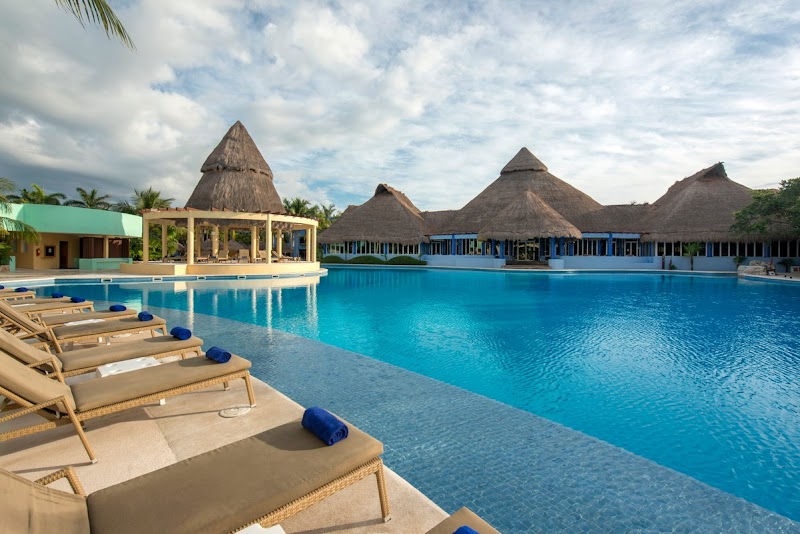
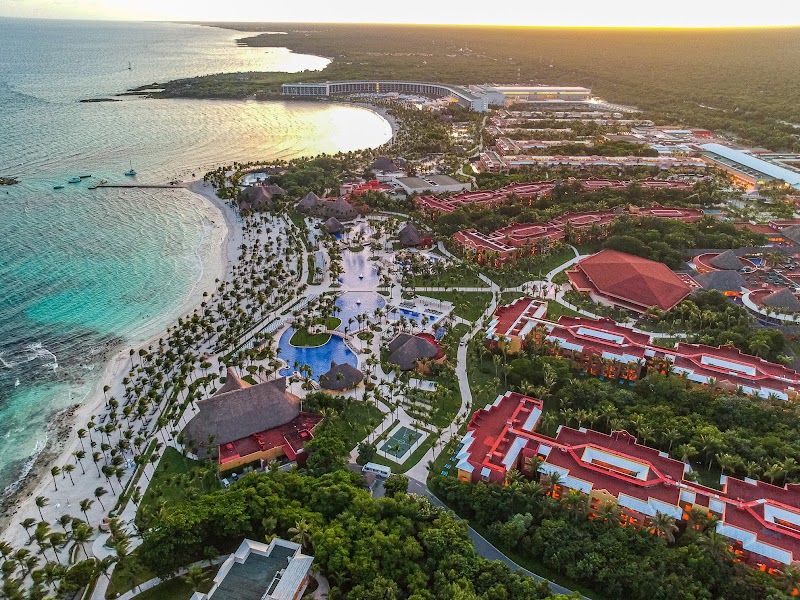
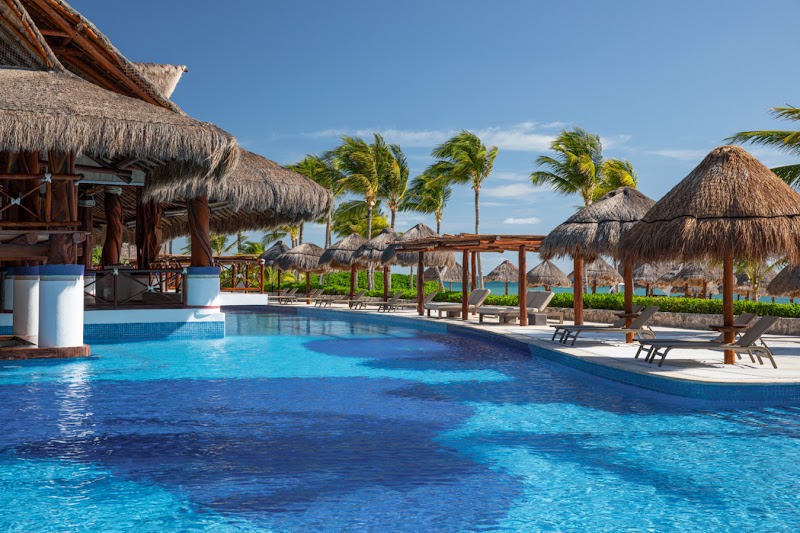
For guests who want the traditional all-inclusive experience — unlimited food, drinks, entertainment, and activities bundled into one daily rate — the best options are slightly north of Tulum proper, in Playa del Carmen, Akumal, and the wider Riviera Maya corridor. These properties offer the full package while remaining close enough to Tulum's ruins, cenotes, and beach strip for day-trip access. The Barceló Maya Grand Resort, Grand Palladium Colonial, and Iberostar Selection Paraíso Maya are all within reasonable driving distance.
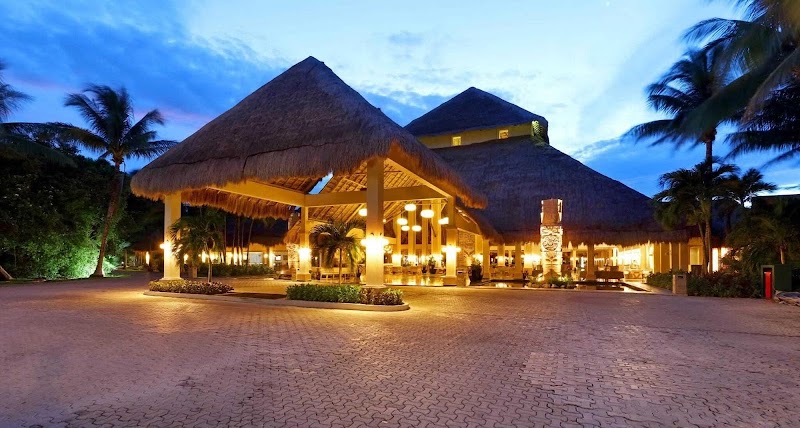
Within the Tulum zone itself, Valentin Imperial Riviera Maya operates the closest thing to a traditional all-inclusive model — multiple restaurants, a full entertainment program, and unlimited premium drinks — while maintaining standards well above the typical resort-factory product. The property sits in its own protected cove with excellent snorkeling, and the cenote access is genuinely convenient.
The cenote and jungle activities that define the Tulum experience are almost universally excluded from standard all-inclusive packages, regardless of property. Budget separately for Gran Cenote ($15–$20 entry), Dos Ojos ($22–$30), and the Sian Ka'an Biosphere tours ($80–$120). The ruins at the top of the cliffs above the Tulum Beach Zone are separately ticketed ($4 entry) and among the most dramatic archaeological sites in Mexico — they should be on every itinerary regardless of your accommodation type.
Sargassum seaweed affects the beach experience at all Tulum and Riviera Maya properties, including all-inclusive resorts. The larger properties typically have more resources for beach management — raking and removal operations that happen before guests wake up — but the problem is regional and cannot be entirely eliminated by any single hotel. The issue is worst between April and August, and best from November through March.
For families choosing all-inclusive in the Tulum area, the Riviera Maya corridor properties generally offer better infrastructure: kids' clubs, multiple pool complexes, and entertainment programs designed for mixed-age groups. The Tulum Beach Zone properties are mostly adults-only or at minimum adult-focused, with the ethos and atmosphere reflecting that orientation.
One practical note on booking strategy: most Beach Zone properties that offer meal packages do so at the room-booking stage rather than as a day-of option. Lock in the package rate at the time of reservation — attempting to add it on arrival is either impossible or significantly more expensive. And if you're booking a larger Riviera Maya all-inclusive, confirm that Tulum-specific excursions (ruins, Sian Ka'an, cenotes) are operated by certified local guides rather than resort-owned tour operations — the quality difference is significant and the price differential at booking is minor.