The geography of Singapore's boutique hotel market follows the island's heritage districts with remarkable precision. The government's conservation programme — which has protected pre-war shophouses and colonial bungalows from demolition since the 1980s — created the physical conditions for boutique hotel development: intact historical buildings in walkable neighborhoods, available for adaptive reuse by operators willing to invest in their architectural character.
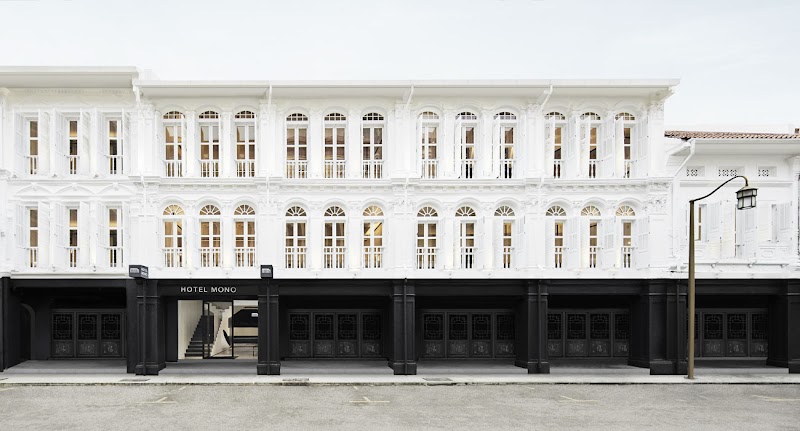
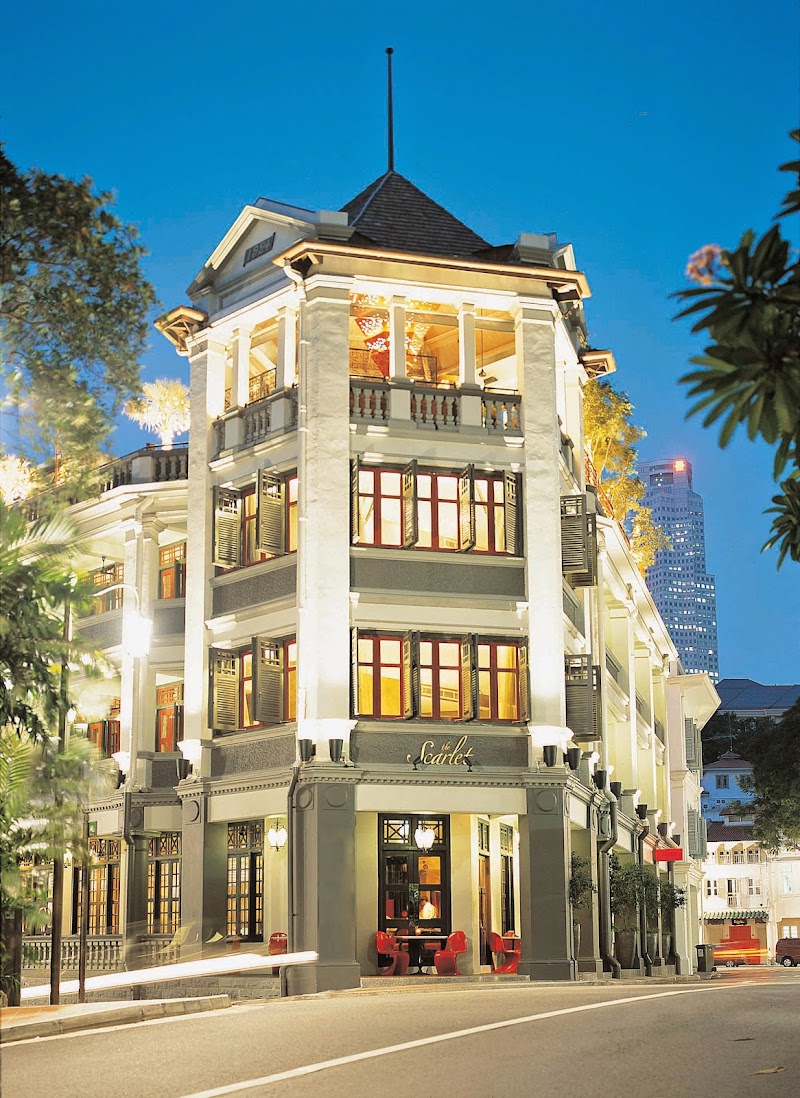
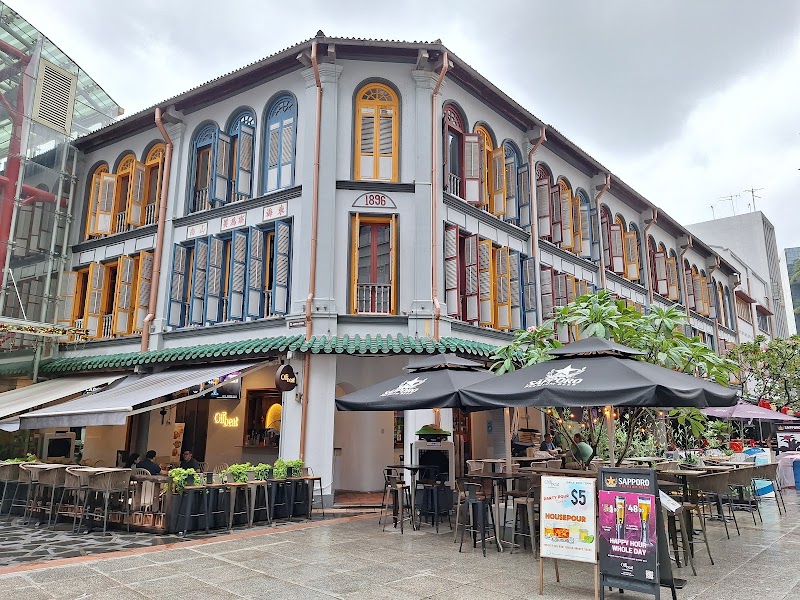
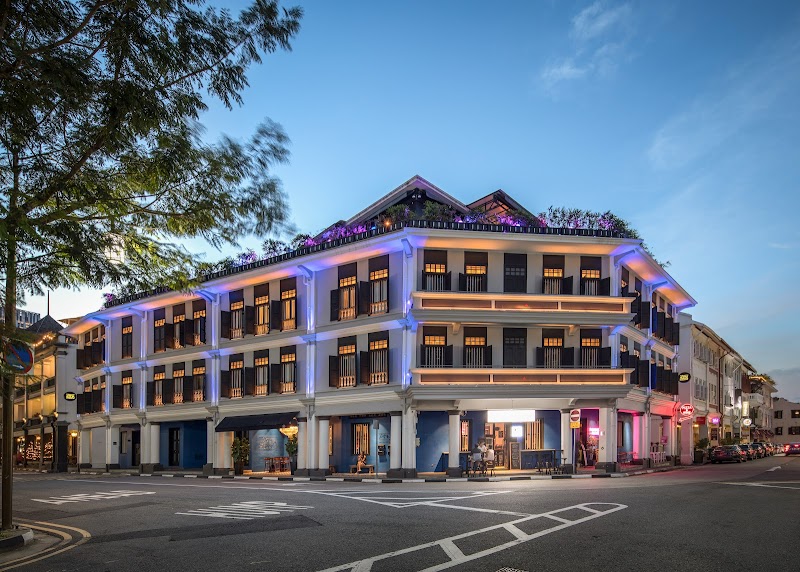
Chinatown produces the most concentrated boutique hotel cluster in Singapore. The district's Tanjong Pagar shophouse rows — three-storey buildings with distinctive five-foot ways (covered pedestrian walkways) and eclectic Peranakan decoration — have been converted into some of the most interesting small hotels in Southeast Asia. Hotel Mono, with its rigorous black-and-white design concept, and The Scarlet Singapore, with its theatrical red-and-black colour scheme, represent opposite ends of the Chinatown boutique spectrum: minimalism versus maximalism, both executed with conviction.
Duxton Hill, the gentrified cluster of shophouses on the edge of Chinatown, has become Singapore's most fashionable boutique hotel micro-district. The hill's wine bars and restaurants attract Singapore's creative and financial industries, and the hotel properties have followed the demographic: Amoy Hotel (converted Fukkien clan association), 1929 Hotel (celebrating the year Singapore's shophouse architecture peaked), and the Ann Siang House (House Collective by Como) create a portfolio of heritage conversions that matches European boutique hotel markets in sophistication.
Kampong Glam — the Arab heritage district around Sultan Mosque — provides a different cultural context: Malay and Arab architectural heritage, Haji Lane's boutique-and-café street culture, and the Andaz Singapore's tower (technically a luxury rather than boutique property, but design-forward enough to influence the neighborhood). The boutique properties here tend toward the smaller, more independent Peranakan-influenced design approach.
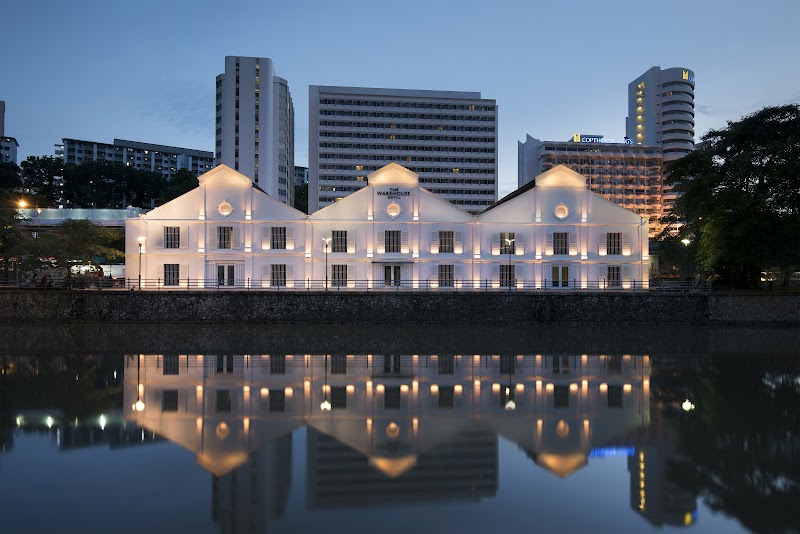
The Warehouse Hotel on Robertson Quay is Singapore's most critically acclaimed boutique hotel — a former godown (riverside warehouse) on the Singapore River, converted into 37 rooms by a team (The Lo & Behold Group) that has also created some of the city's best restaurants. The industrial warehouse architecture has been preserved and celebrated rather than disguised: concrete, exposed steel, and river views create a design-integrity that Singapore's more theatrical boutique properties don't always achieve.
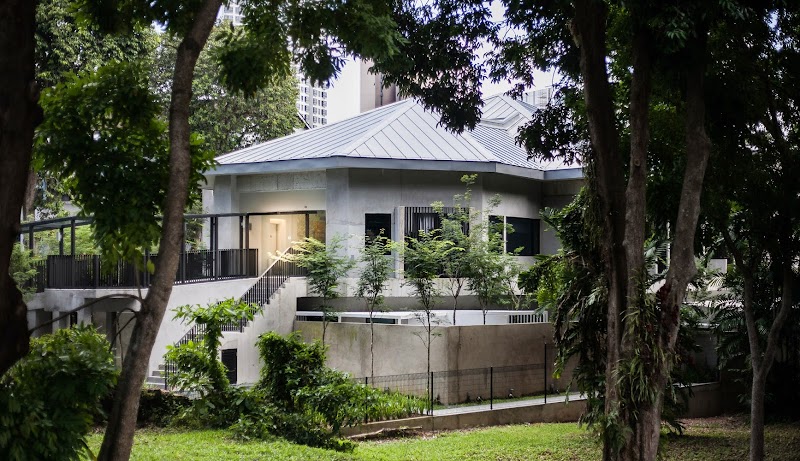
Lloyds Inn on Orchard Road represents the garden boutique format: 34 rooms in a building designed around tropical landscaping and a small pool, creating a sense of residential calm within three minutes' walk of Singapore's main shopping district. The concrete-and-timber design aesthetic is the most restrained in Singapore's boutique market, and the contrast between the calm garden interior and the Orchard Road energy just outside is one of the most characteristic Singapore hotel juxtapositions.
For travelers visiting Singapore specifically to experience the city's food and cultural diversity, the boutique hotels in Chinatown and Kampong Glam provide a quality of neighborhood immersion that no Marina Bay property can replicate. The hawker centres, morning kopi shops, and heritage temples that constitute daily life in these districts are at the hotel doorstep — not a taxi ride away.