## Prague's City Centre: A UNESCO World Heritage Core
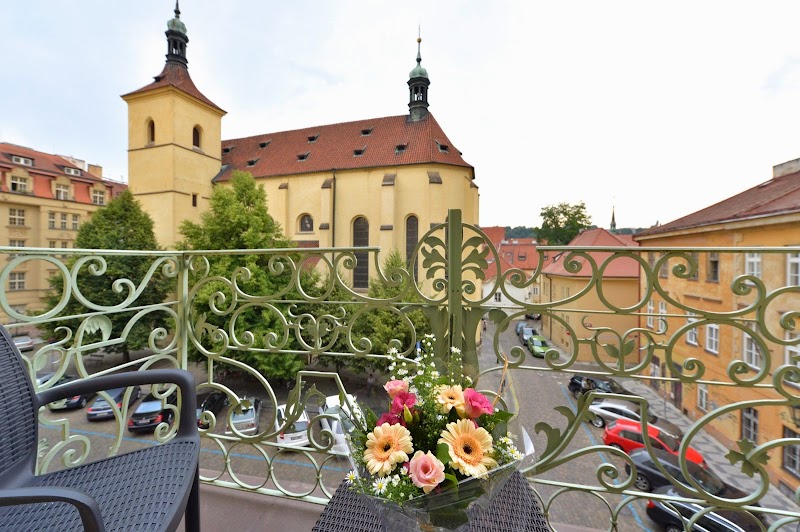
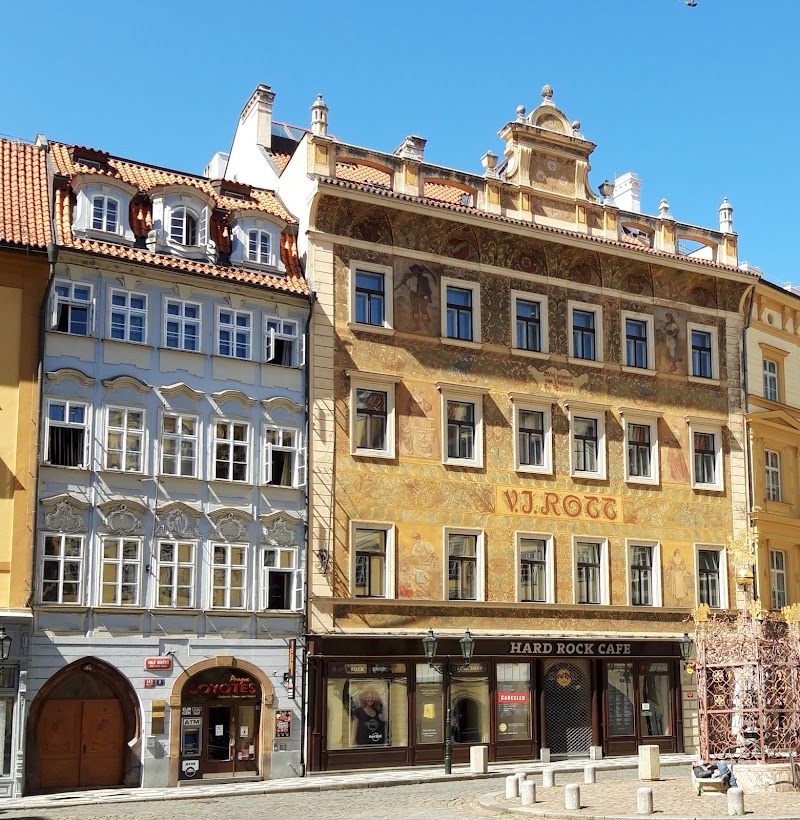
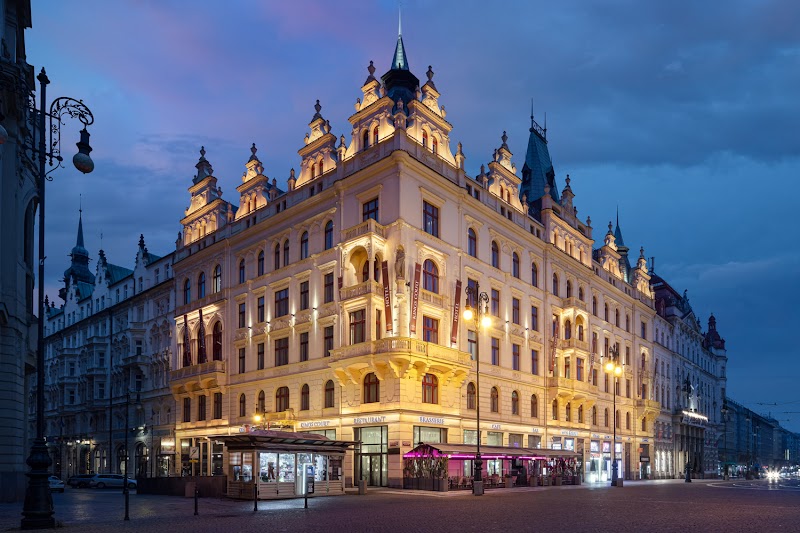
Prague 1 — the central administrative district — contains one of the most intact historic city centres anywhere in Europe, largely because the city escaped significant WWII bombing. The result is layer upon layer of architectural history: Romanesque foundations visible in cellar restaurants, Gothic arches in 14th-century churches, Baroque facades painted in the ochre and terracotta palette that characterises the city, and Art Nouveau masterpieces like the Municipal House lining the streets. Staying within this district means you're sleeping inside a living museum.
## Old Town vs New Town vs Malá Strana
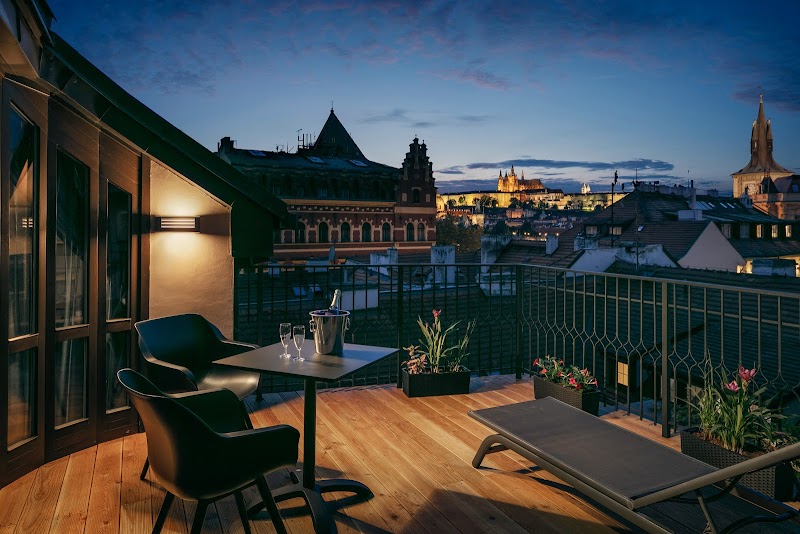
Prague's city centre divides into three distinct districts worth understanding before choosing a hotel. **Staré Město (Old Town)** is the beating heart of historic Prague: Old Town Square with the Astronomical Clock, the Jewish Quarter (Josefov), and the northern approach to Charles Bridge. This is where the tourist density is highest in peak season, but it's also where the architecture is most extraordinary and the restaurant and bar scene is most developed. **Nové Město (New Town)** surrounds Old Town to the south and east — it was 'new' when founded in the 14th century, which gives some sense of Prague's antiquity. Wenceslas Square, the National Museum, and the main train stations are here. Less touristic, more working-city, and generally cheaper for equivalent hotel quality. **Malá Strana (Lesser Town)** sits across the river below Prague Castle — cobblestoned streets, embassy gardens, and the southern approach to Charles Bridge. Quieter and more romantic than Old Town, with a 15-minute walk to the main Old Town sights.
## Prague's Remarkable Value Proposition
Compared to Amsterdam, Vienna, or Paris, Prague remains extraordinary value. A genuinely excellent 4-star hotel in the Old Town — the kind of property that would cost €300+ per night in Western Europe — is frequently available for €80–150. The food and drink picture is even more striking: a multi-course meal with excellent Czech wine or Pilsner Urquell at a good Old Town restaurant rarely tops €30 per person. This relative affordability means the calculus for central vs. peripheral accommodation tilts strongly toward central: the savings from staying outside the core rarely justify the commute.
## Booking Strategy and Seasonality
Prague has genuinely peak periods: **Christmas and New Year** (Old Town Square Christmas market is extraordinary, book months ahead), **May–June**, and **September–October** for the best weather and manageable crowds. August is the absolute peak for tourist volume — the Old Town becomes genuinely crowded and prices spike. The best value window is **March–April** and **November**: cold but atmospheric, the city's architectural drama is enhanced by low grey skies, and prices drop 30–40%. Advance booking of 6–8 weeks suffices for most periods outside peak Christmas and summer high season.
## Walking the Core: Practical Distances
From a hotel on or near Old Town Square, Charles Bridge is a 5-7 minute walk. Wenceslas Square is a 10-minute walk. The Jewish Quarter is 5 minutes. Prague Castle (across the river) is a 20-25 minute walk via Charles Bridge, or reachable by tram in 15 minutes. Most guests find the Old Town core so compact that they rarely need public transport during the day — the metro (efficient, cheap) is mainly useful for reaching the airport or outlying residential neighbourhoods.