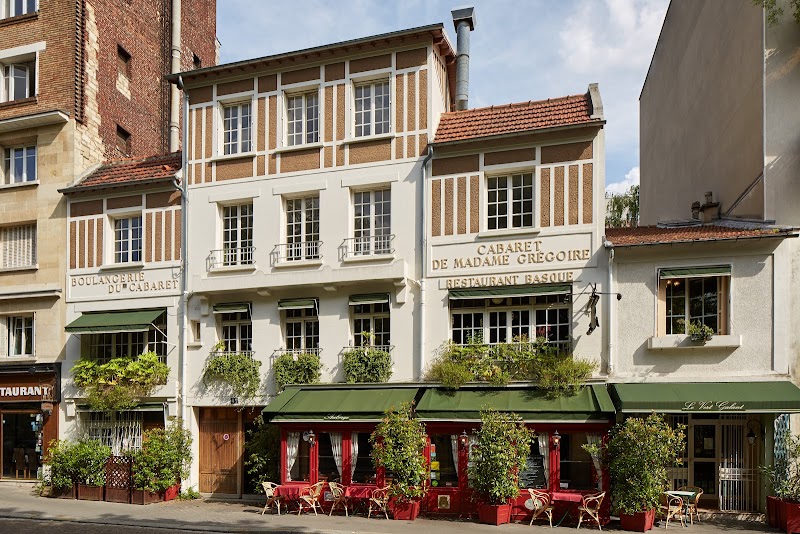
The Latin Quarter occupies the 5th arrondissement and overlaps into the eastern 6th, its centre of gravity shifting between the Sorbonne and the Luxembourg Gardens, the Panthéon and the Jardin des Plantes. Its topography is uniquely Parisian: streets that climb and descend on gradients unusual for a city this flat, creating unexpected views and the kind of navigational uncertainty that leads to the best discoveries.
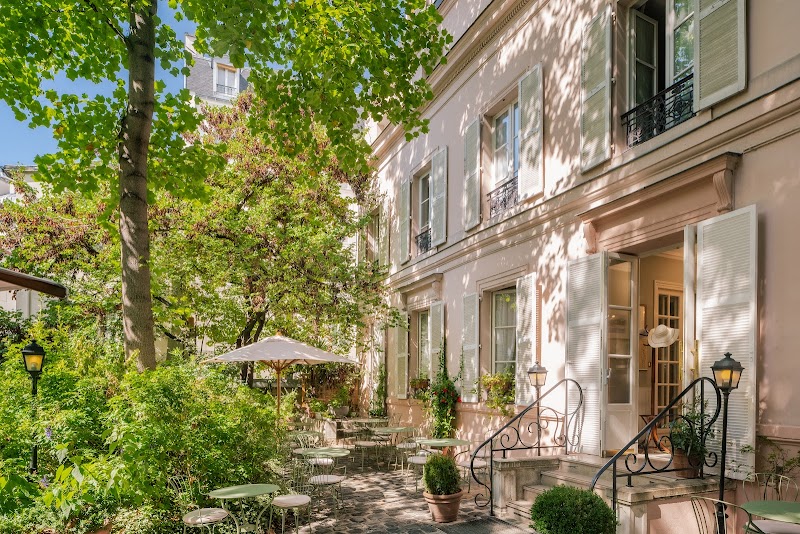
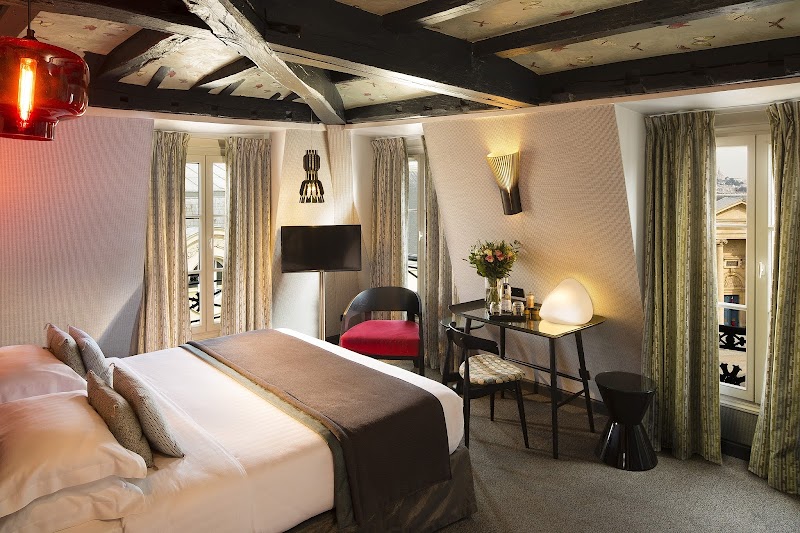
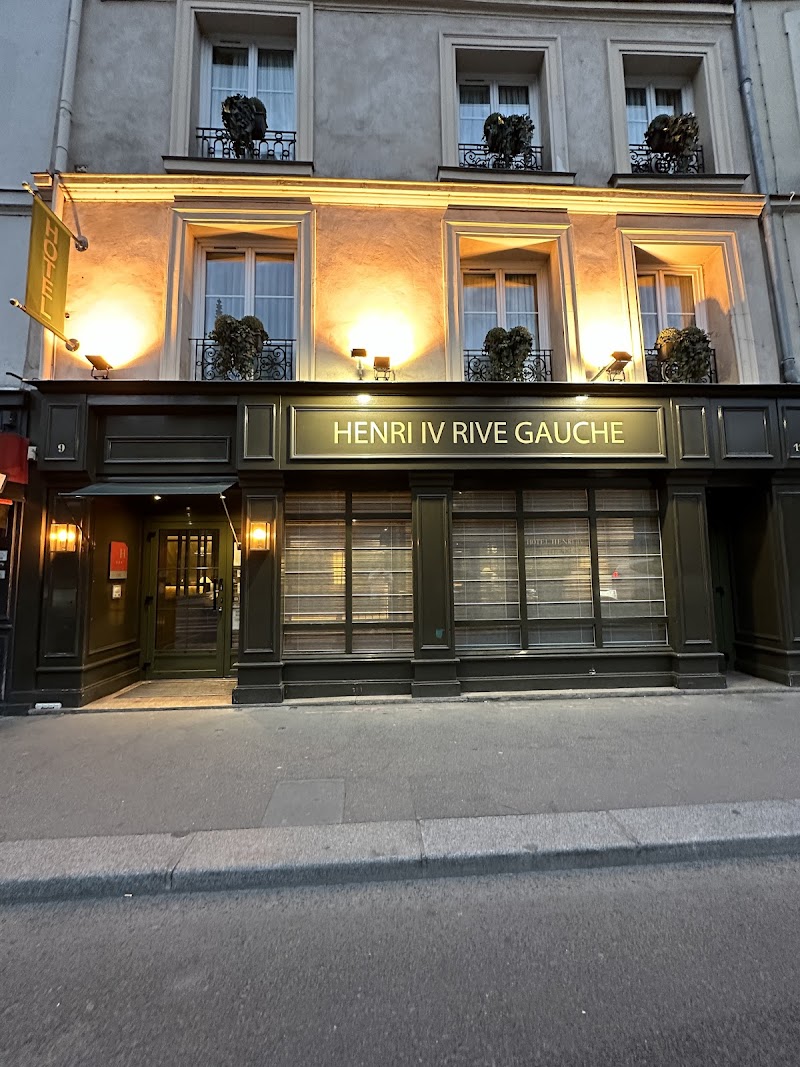
Hotels in the Latin Quarter tend to be smaller, older, and more characterful than their equivalents in the tourist-heavy 1st or the luxury-dense 8th. Many occupy medieval buildings with thick stone walls that provide natural insulation and an atmosphere no newly-built property can replicate. The best — the Hôtel des Grandes Écoles, the Hôtel du Panthéon, the Hôtel Henri IV Rive Gauche — have been operating for decades and have developed a loyal repeat clientele who return year after year precisely because nothing changes.
The neighbourhood's food scene operates on two registers simultaneously: the tourist strip along the Rue de la Huchette (crepe and kebab shops in ancient buildings, packed regardless of quality) and the genuinely excellent restaurants on the streets behind and above, where Parisian academics and medical students eat without fanfare. Rue Mouffetard and its surrounding streets in the upper 5th are among Paris's finest dining and market territories, and the café terraces around the Place de la Contrescarpe on a warm evening are among the most purely enjoyable in the city.
For cultural density, the Latin Quarter is extraordinary: the Cluny Museum (medieval art and the Lady and the Unicorn tapestries), the Panthéon, the Institut du Monde Arabe, the Musée de la Sculpture en Plein Air, and the beginning of the Jardin des Plantes are all within a 15-minute walk of any hotel in the neighbourhood. Add the Shakespeare and Company bookshop on the river and Notre-Dame Cathedral a 10-minute stroll away, and the Latin Quarter becomes a sightseeing neighbourhood of the first order.