The waterfront hotel occupies a specific position in the spectrum of accommodation — neither simply a view (many inland hotels offer excellent views) nor simply a location (many harbourside hotels are ordinary), but the combination of visual theatre, physical proximity to moving water, and the particular quality of light that reflects off water surfaces to animate hotel interiors.
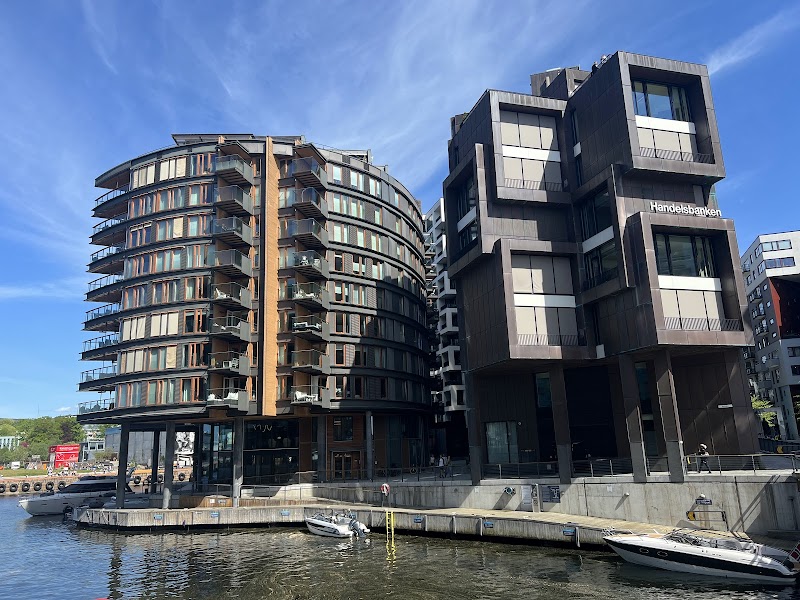
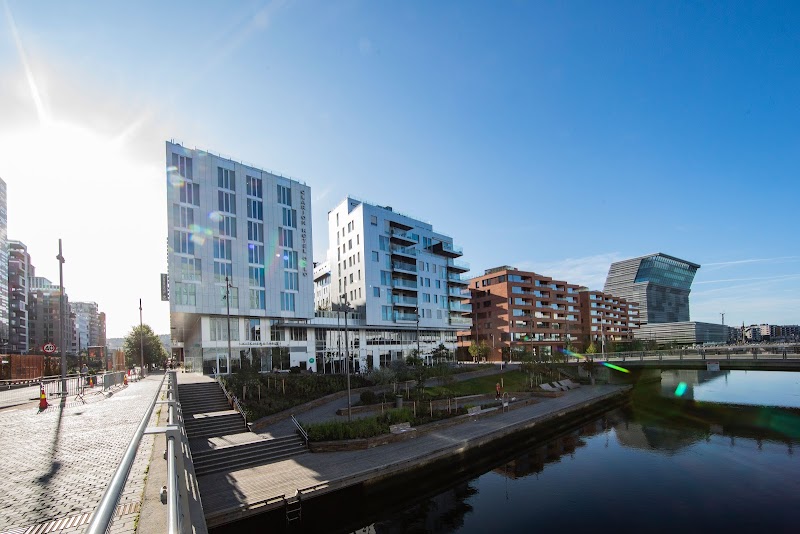
Oslo's fjord waterfront has been transformed by the Aker Brygge and Tjuvholmen developments — the Thief Hotel on Tjuvholmen island (sculpture park waterfront, direct fjord views) and the spa hotels of the Aker Brygge marina create Oslo's contemporary luxury waterfront zone. The Britannia Hotel in Trondheim (the most celebrated historic hotel in Norway) and the Arctic Panorama Lodge on the Svartisen fjord represent Norway's broader waterfront hotel range.
The best waterfront hotels in Oslo have understood that the view from the room is only the beginning of the waterfront experience. The accessible waterfront — whether a promenade, a marina jetty, a private beach, or a harbour terrace — where guests can walk to the water's edge, smell the salt or the river, hear the waves or the boats — this physical engagement with the water body is what distinguishes a waterfront hotel from a hotel with a water view.
The practical considerations for waterfront accommodation in Oslo: the direction the hotel faces determines the quality of morning vs. evening light (east-facing for sunrise, west-facing for sunset); the hotel's distance from the water's edge determines the acoustic experience (closer means waves and marine sounds, further means a visual experience that is quieter); and the season affects the waterfront experience significantly.
For room selection in waterfront hotels: always request a high floor with an unobstructed water view, specify 'water view' rather than 'partial water view' (different price tier, different experience), and ask about the specific compass direction the room faces to optimise for the lighting quality you prefer.