Downtown Manhattan — the Financial District, Fulton, and the surrounding blocks below Chambers Street — has undergone a dramatic transformation from a neighborhood that emptied at 6pm to one of the city's most dynamic residential and hotel destinations. The catalyst was partly the rebuilding of the World Trade Center area and partly the influx of residents and restaurants that followed. Today, staying downtown means accessing a Manhattan that most visitors never see.
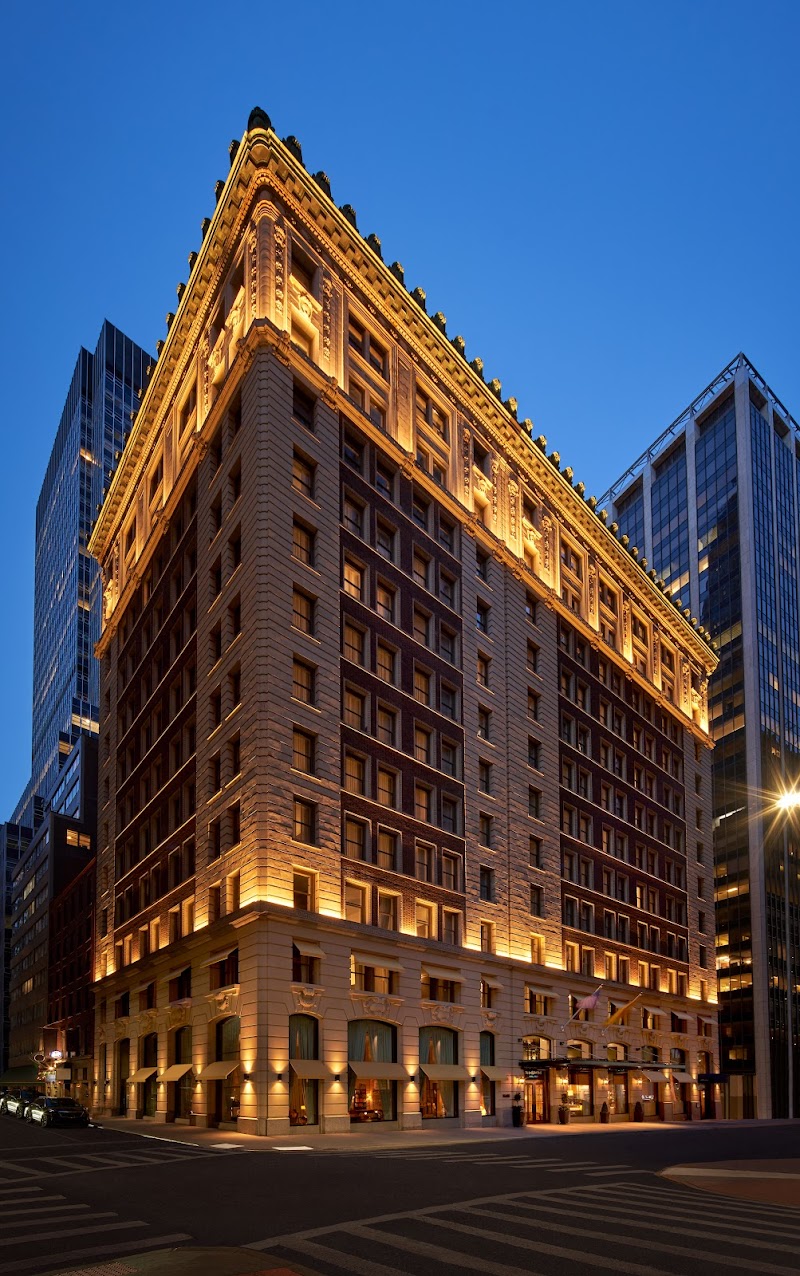
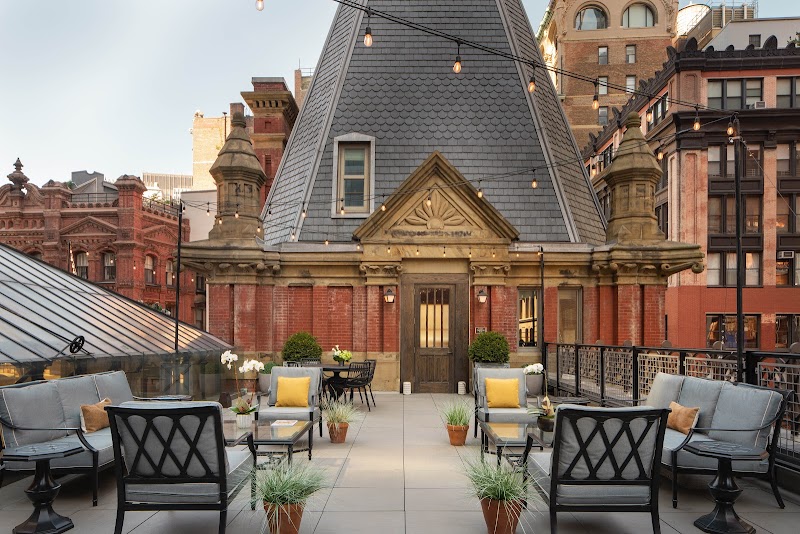
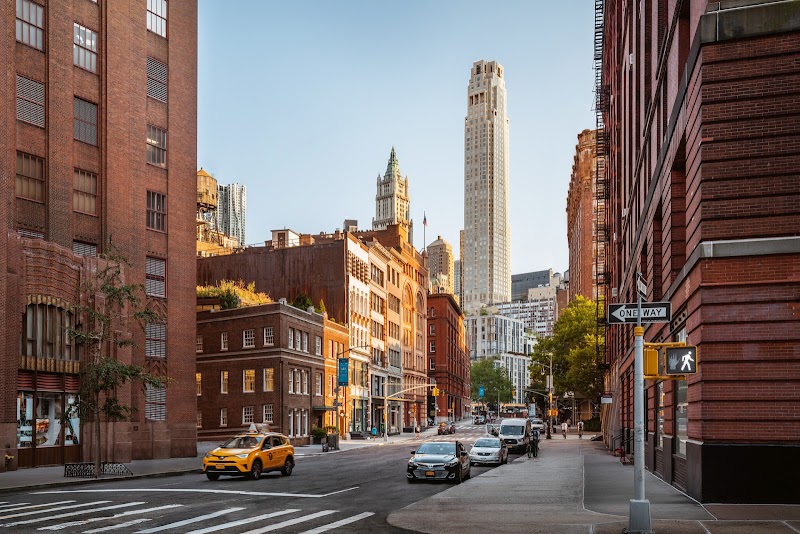
The architectural texture here is unlike anything uptown. Narrow, pre-grid streets like Stone Street, William Street, and Maiden Lane create a medieval European quality entirely at odds with the glass towers that now loom above them. The 18th and 19th century commercial buildings that survived the redevelopment waves offer some of the most atmospherically interesting boutique hotel spaces in the city — a federal-era counting house converted into a luxury hotel, a Woolworth Building suite overlooking City Hall Park.
Practically speaking, downtown is excellent for visitors focused on the 9/11 Memorial and Museum, the Statue of Liberty and Ellis Island ferries (which depart from Battery Park), Wall Street, and Brooklyn Bridge. The A/C/E, 2/3, 4/5/6, J/Z, and R trains all converge in lower Manhattan, making the entire city accessible. JFK and Newark airports are both well-connected to downtown transit hubs.
The restaurant scene has matured significantly — Nobu on Hudson Street, Le District in Brookfield Place, and the Fulton seafood restaurant from Jean-Georges are all within walking distance of any Financial District hotel. The weekend scene is particularly appealing because the financial office population disappears and the neighborhood takes on a quieter, more residential feel.