New York City has one of the world's richest boutique hotel traditions. From Ian Schrager's 1980s Morgan Hotel — widely credited as the first true boutique hotel in America — to the design-obsessed independents opening today, the city has consistently produced hotels that understand that a property can have a genuine point of view.
What separates a true boutique hotel from a small luxury hotel with boutique pretensions? Scale is part of it — most genuine boutiques have under 150 rooms, which allows for a staff-to-guest ratio and operational attention that larger properties can't maintain. But the more essential quality is intentionality: every design choice, every playlist, every cocktail menu has been considered as part of a coherent vision. The best boutique hotels feel like they were made by a single highly opinionated person, not by a brand committee.
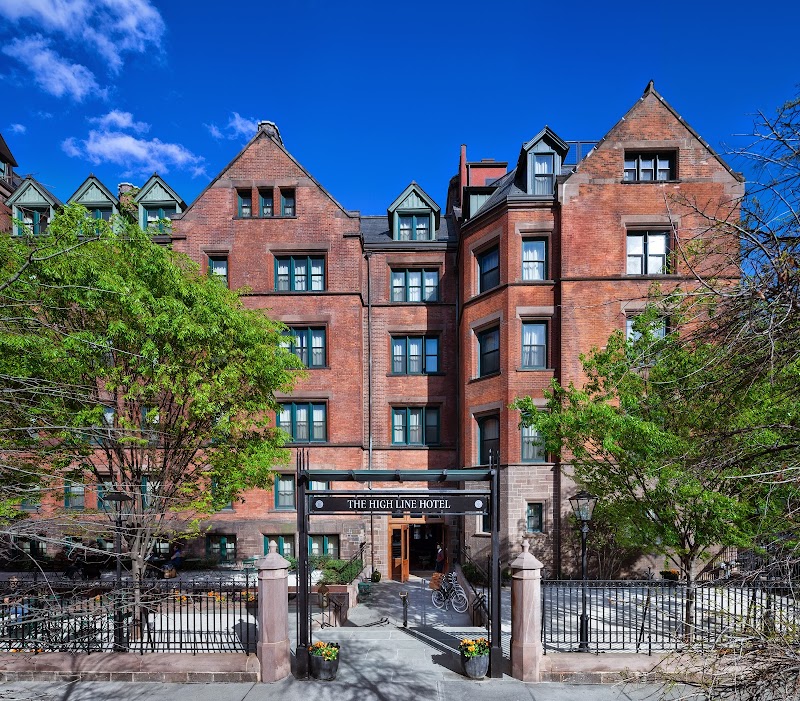
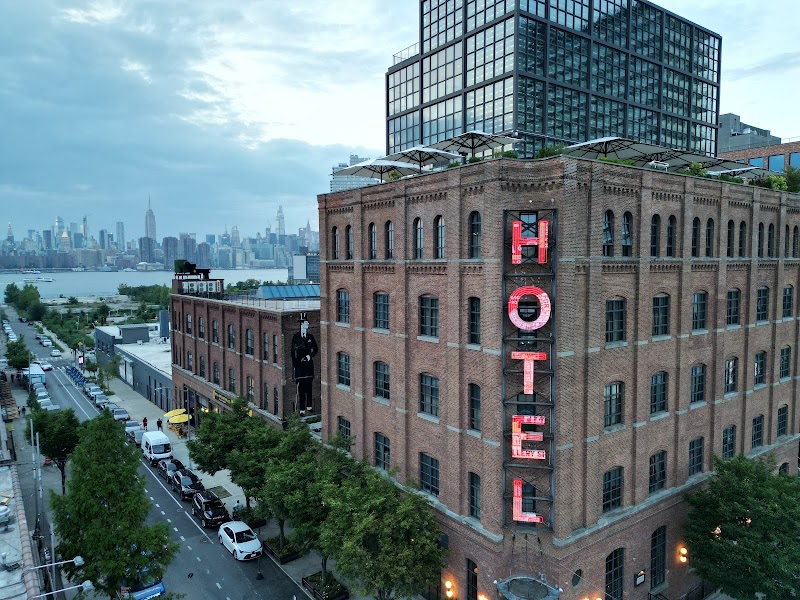
New York's best boutique hotels are spread across neighborhoods but concentrate in a few specific corridors. The West Village and Greenwich Village have the most independently owned, character-forward small hotels. SoHo and TriBeCa have the highest design budgets. Chelsea has the most architecturally interesting buildings. And new boutique properties continue to emerge in the outer boroughs — particularly in Williamsburg, Red Hook, and the rapidly developing neighborhoods of Long Island City.
A practical note on boutique hotel booking: unlike branded chain hotels, boutique properties rarely use corporate loyalty programs as a primary booking channel. The best rates often come from booking directly through the hotel website — and the best service experiences tend to reward guests who have made the effort to communicate directly rather than through an intermediary. Call the hotel, explain your occasion, and ask what's possible. Boutique hotels are where the answer is most likely to be genuinely interesting.