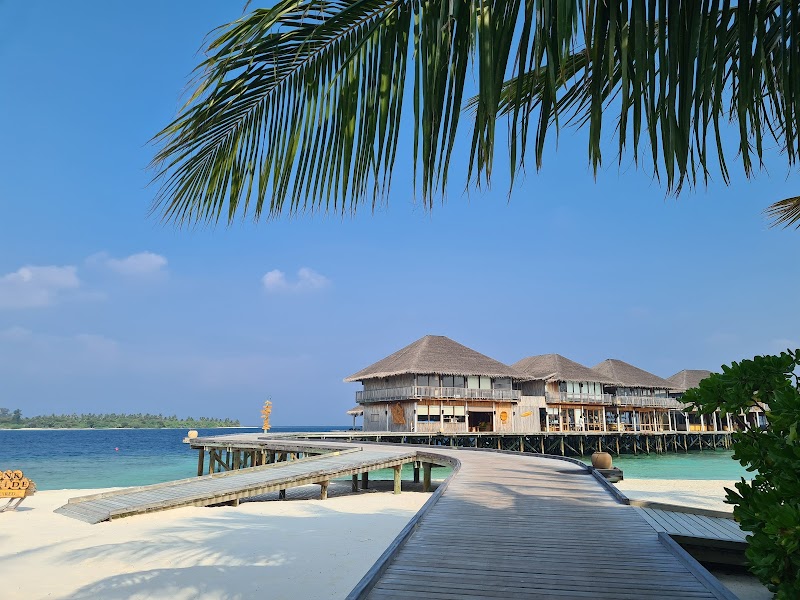
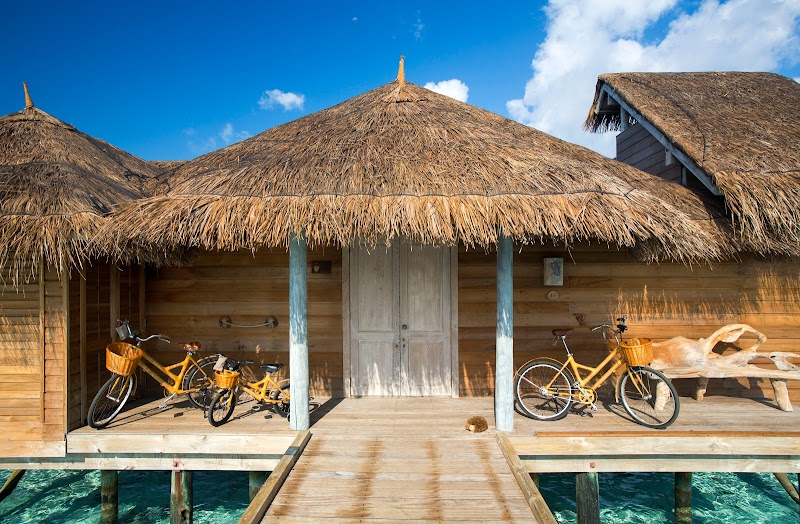
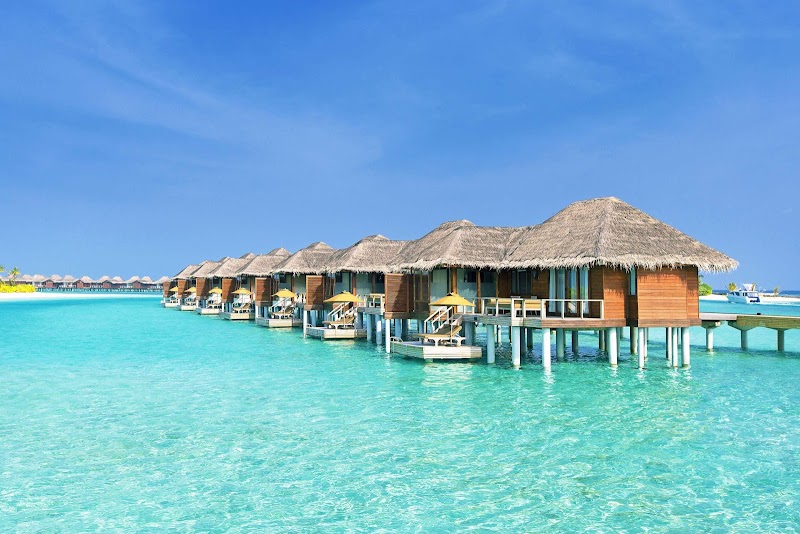
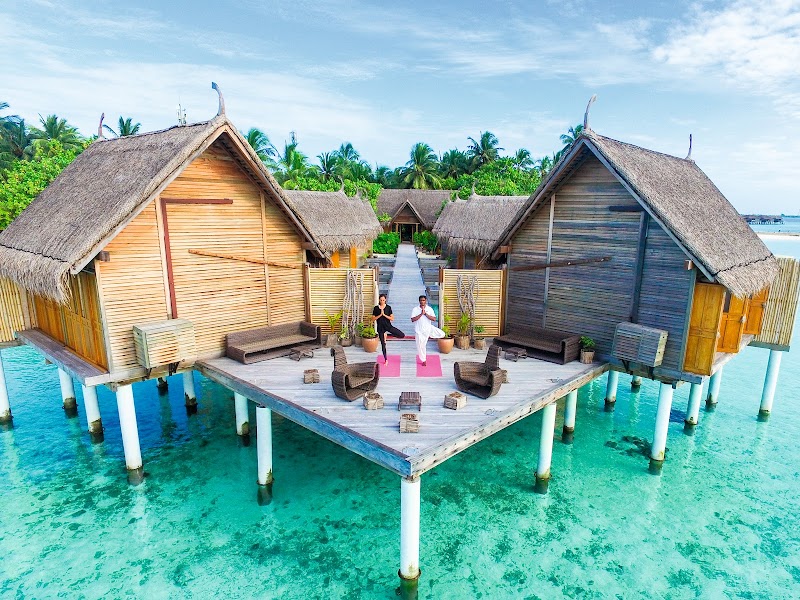
Understanding the Maldives food landscape requires understanding that almost every ingredient arrives by boat or seaplane. The remote atoll resorts that stage the most ambitious cooking do so despite supply chain challenges that would defeat most European restaurants — sourcing fresh produce from their own hydroponic and soil gardens, catching fish with the resort's dhoni that morning, and finding creative uses for the few things that grow or are produced locally. This constraint has become a culinary virtue: the best Maldives cooking is genuinely local in a way that 'farm-to-table' marketing often only promises.
Trisara in Phuket may have pioneered Michelin-level cooking in the Indian Ocean resort context, but in the Maldives it is Six Senses Laamu that has most consistently demonstrated that a remote island resort can maintain fine dining standards year-round. The LEAF restaurant — its initials standing for Local, Ethical, Artisanal, and Fresh — builds its tasting menus around ingredients from the resort's Earth Lab garden (heirloom tomatoes, edible flowers, microgreens), the reef (lobster, octopus, sustainably caught reef fish), and local Maldivian producers (palm toddy vinegar, coconut cream, dried tuna flakes known as Maldive fish). The wine list, assembled with the same care, draws from biodynamic producers in Burgundy, the Loire, and South Australia.
Soneva Fushi's culinary programme is the archipelago's most diverse — across 12 restaurants and dining experiences on the property, guests encounter everything from a sushi counter staffed by a Japanese chef (flown in for residencies) to an outdoor pizza oven in the jungle, a fresh juice bar, and the centerpiece Fresh in the Garden tasting menu restaurant where produce is harvested metres from the kitchen. The resort's annual Soneva Soul culinary festival (held in November–December) brings 20–30 leading international chefs for a week of dinners, cooking demonstrations, and collaborations that position Soneva Fushi as one of the world's great food-focused resort events.
For the Maldivian culinary experience itself — the local food rather than the international fine dining — seek out the few resorts that take island cooking seriously. Constance Moofushi's Maldivian Night (held weekly) offers a genuine introduction to mas huni (shredded smoked tuna with coconut and lime, the national breakfast), garudhiya (reef fish broth poured over rice with lime and chilli), and the coconut-based sweets that appear at local celebrations. The cooking at these events is not fine dining — it is honest, robust, and specific to a place, which makes it more interesting than most of what passes for 'local cuisine' in international luxury hotels.