Kyoto's temple circuit is the natural backbone of a solo visit, and the city is designed for independent navigation in a way that group travel simply cannot replicate. The Higashiyama trail — a stone-paved route running from Kiyomizudera temple through Ninenzaka and Sannenzaka lanes, past Kodaiji temple, and into Gion — takes about three hours at a wandering pace and passes through scenery that hasn't changed fundamentally in two centuries. The solo traveler who starts this walk at 7am, before the tour groups arrive, will have this extraordinary route essentially alone.
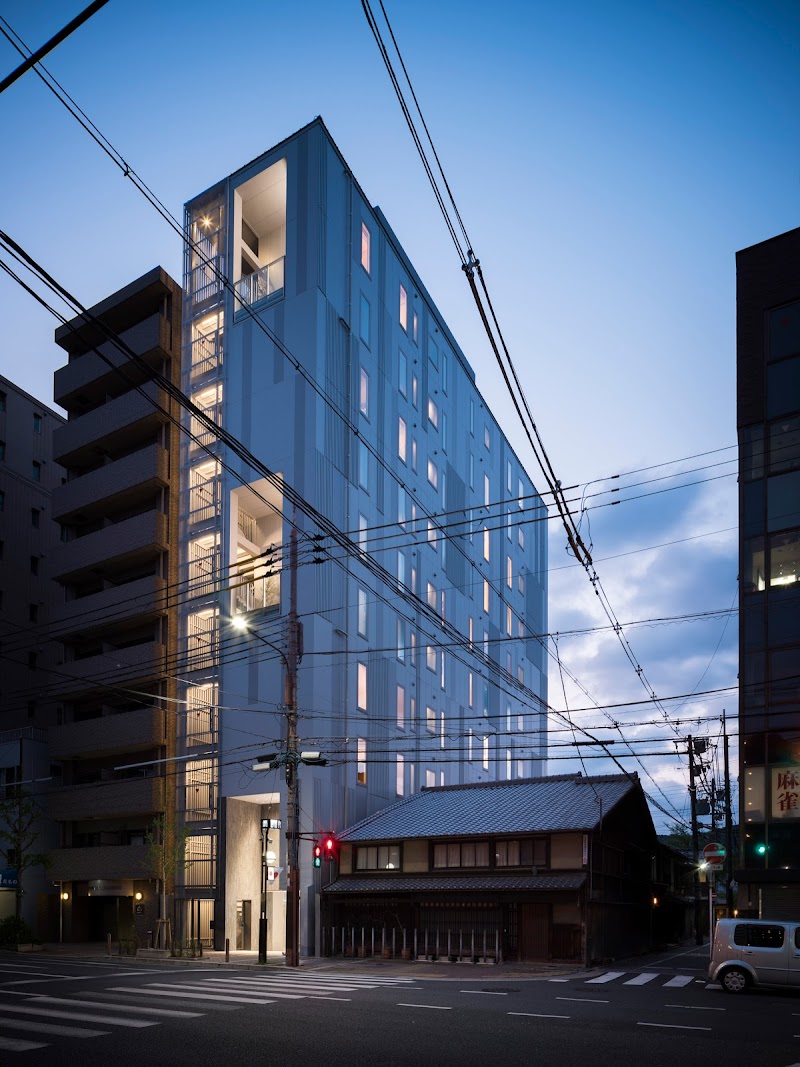
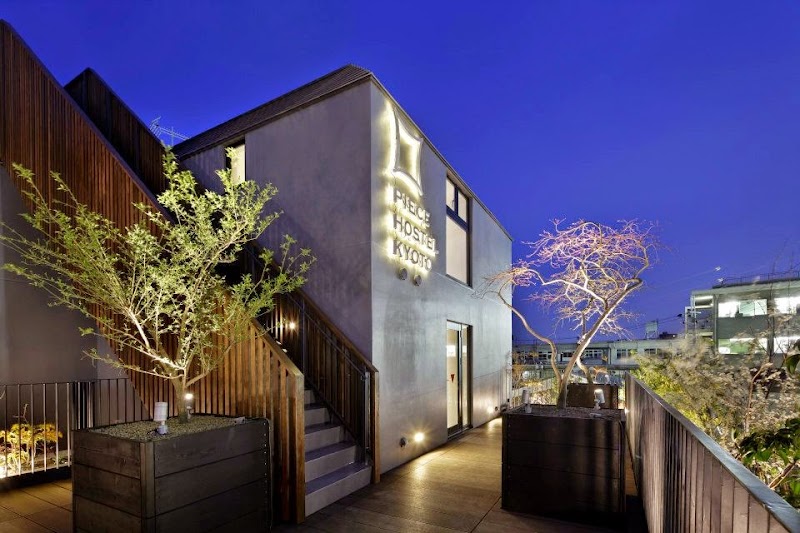
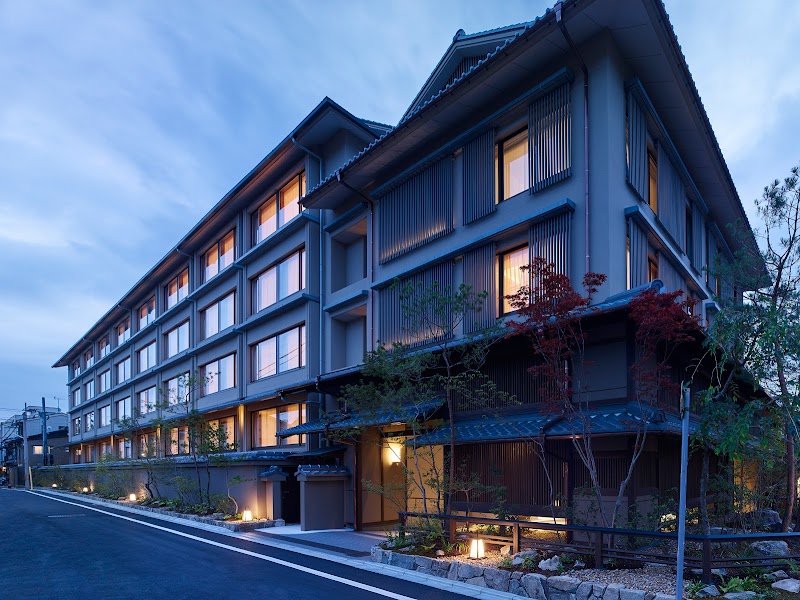
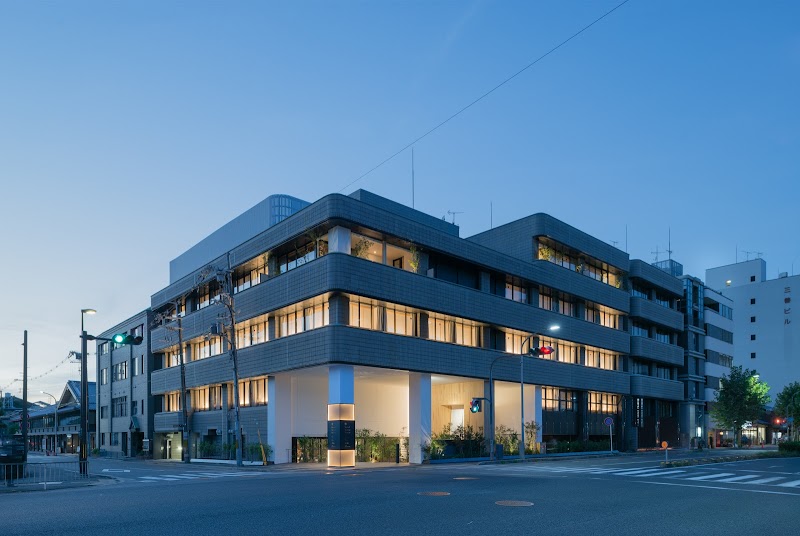
For accommodation, solo travelers in Kyoto should consider three distinct options: the modern business hotel (reliable, clean, excellent value, and often perfectly located near Kyoto Station); the guesthouse or hostel in a converted machiya townhouse (the most atmospheric option and a strong social choice); and the mid-range ryokan (the culturally richest option, though solo supplements can be significant). BnA Alter Museum in Kawaramachi and the various machiya guesthouses around the Nishiki market area offer the best combination of atmosphere, social opportunity, and value. Piece Hostel near Kyoto Station is the city's best social hostel, with a program of guided neighborhood walks and evening communal dinners.
The solo food experience in Kyoto is extraordinary. The Nishiki Market — a narrow covered shopping arcade running east-west through central Kyoto, known as 'Kyoto's Kitchen' — is 400 meters of fishmongers, pickle vendors, tofu specialists, and street food stalls that makes an excellent solo grazing breakfast or lunch. The depachika (department store basement food halls) at Takashimaya and Isetan near Kyoto Station are among the finest in Japan. For evening solo dining, Kyoto's counter restaurant culture is ideal: most kaiseki restaurants and izakayas have a bar counter where solo diners are actively welcomed, and the interaction with chefs across a counter is one of the best ways to understand Japanese food culture.
Kyoto's geography makes it ideal for day-tripping — the Nara day trip (45 minutes by express train, ¥720) is essential for solo travelers, as wandering among the 1,200 free-roaming Nara deer on the grounds of Tōdai-ji temple is one of Japan's most whimsical solo experiences. Osaka (25 minutes, ¥580 by shinkansen) offers Dotonbori's spectacular evening street food circuit. Arashiyama, accessible by train or bicycle from the center, remains one of Asia's finest solo afternoon destinations: the bamboo grove, the Tenryuji temple garden, and the Oi River's riverboat rides can fill a deeply pleasurable full day.