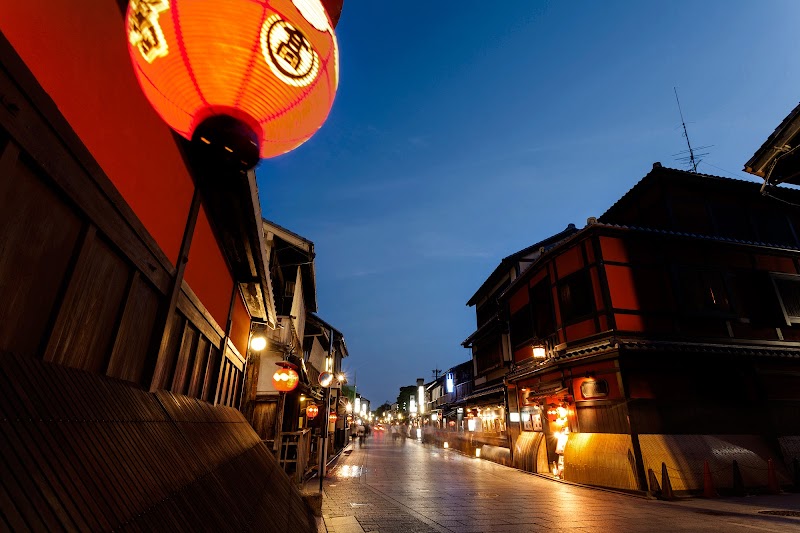
Kyoto's romantic geography is built around two complementary axes: the old imperial center (Gion, Higashiyama, Fushimi) and the bamboo forest country of Arashiyama to the northwest. Gion — Japan's most famous geisha district — is most captivating at dusk on weekday evenings, when maiko (apprentice geisha) move between ochaya (teahouses) in the narrow lanes of Hanamikoji Street and Shirakawa Canal. For honeymooners, arranging a private ozashiki (geisha entertainment dinner) through a high-end ryokan or luxury concierge is one of the rarest and most memorable Japanese cultural experiences available — expect to pay ¥40,000–60,000 per person through established connections.
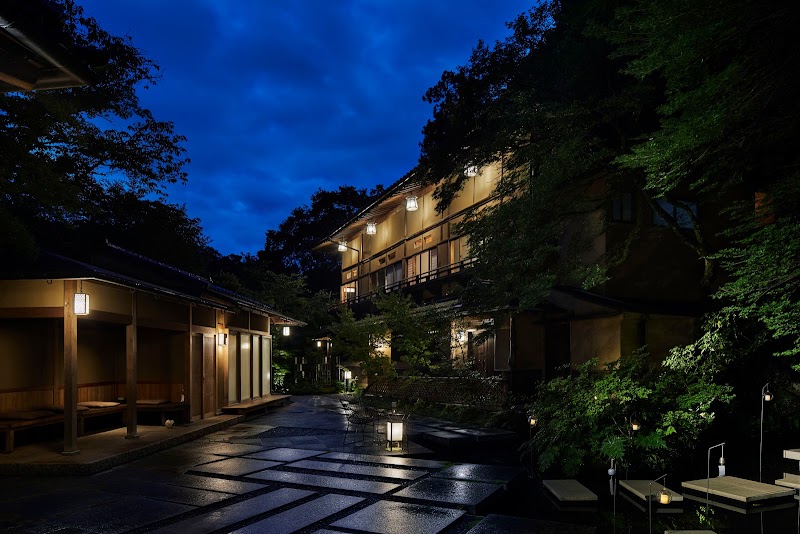
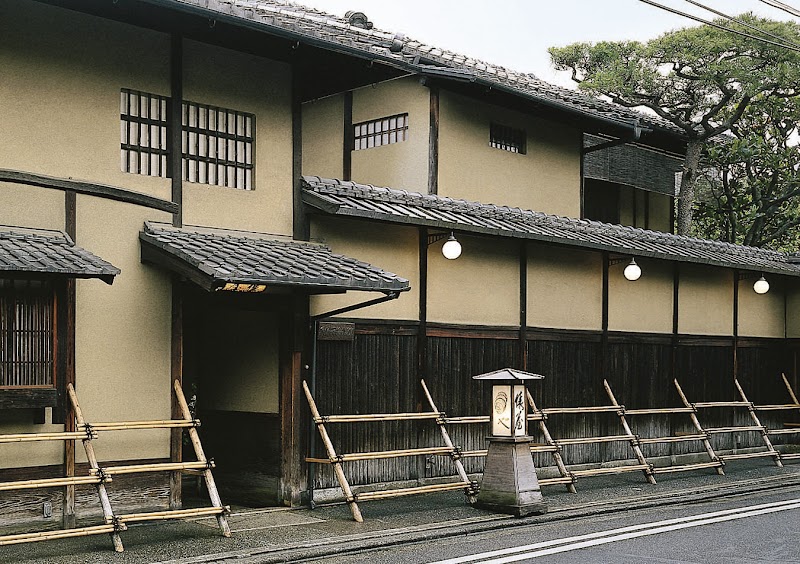
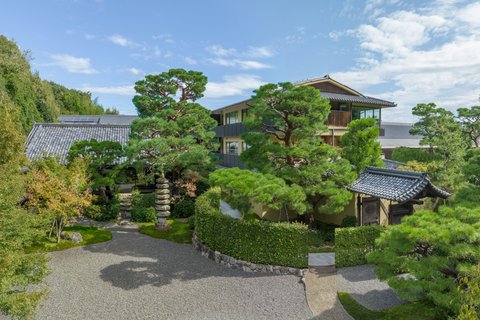
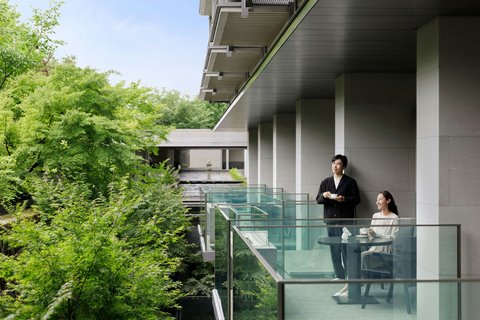
The ryokan experience — the multi-room traditional inn with futon bedding on tatami, kimono dressing, multi-course kaiseki dinner served in the room, and morning attendance at a communal hot spring bath — is the defining Kyoto honeymoon accommodation. Tawaraya, founded in the early 18th century in the Nakagyo district, is consistently ranked among the world's greatest hotels and has hosted Rockefellers, Nobel laureates, and Japanese imperial family members among its guests. Hoshinoya Kyoto, accessible only by a 13-minute boat journey up the Oi River from Arashiyama, provides a different version: contemporary Japanese design, outdoor hot spring baths overlooking the forested river gorge, and an extraordinary isolation that makes the world outside feel genuinely distant.
Kyoto's kaiseki cuisine — the multi-course seasonal Japanese dining tradition evolved from the tea ceremony's aesthetics — is at its most extraordinary in the city of its origin. Kikunoi Honten and Mizai in Higashiyama hold three Michelin stars; Nakamura in Nishiki holds two; and dozens of smaller kaiseki restaurants throughout Gion and Pontocho serve exceptional seasonal menus for ¥15,000–30,000 per person. Pontocho — the narrow lantern-lit alley running parallel to the Kamogawa river — is Kyoto's most romantic dining street, particularly in summer when the riverside yuka platforms extend over the river for open-air dinner.
Seasonally, Kyoto's most honeymoon-appropriate period is cherry blossom season (late March to mid-April) and autumn foliage (late October to mid-November) — both periods of extraordinary natural beauty but correspondingly high accommodation demand, requiring reservations 3–6 months in advance. June (rainy season) and September are significantly quieter and offer an atmospheric, misty Kyoto that the crowds never see. Winter (December–February) is cold but hauntingly beautiful, with occasional snowfall transforming the temple gardens into ink-wash paintings.