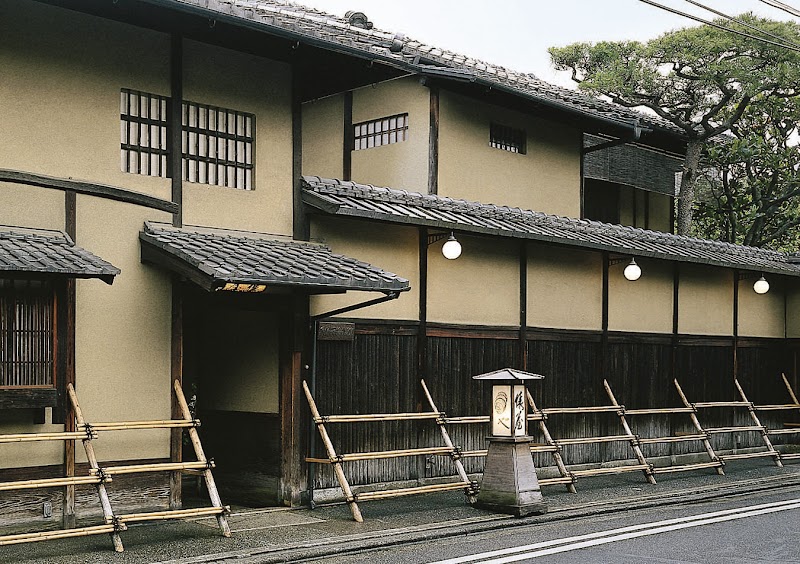
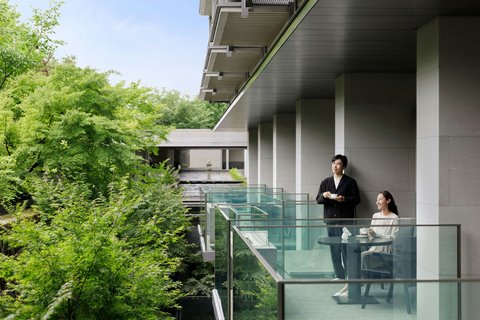
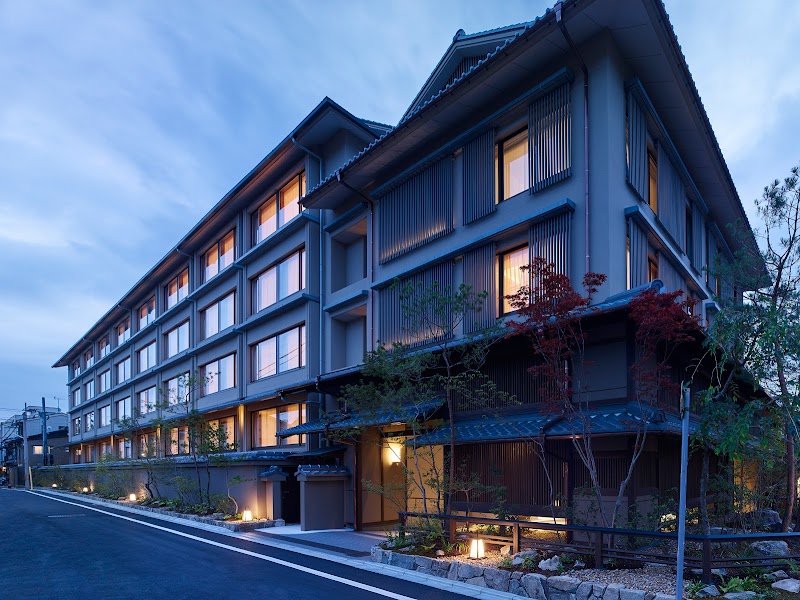
The conceptual center of Kyoto's food world is kaiseki — the multi-course seasonal Japanese meal that evolved from the tea ceremony's aesthetics and grew into Japan's highest culinary expression. A full kaiseki dinner progresses through eight to fourteen courses: sakizuke (amuse-bouche), hassun (seasonal platter), yakimono (grilled), nimono (simmered), and shiizakana (sake-pairing dishes), each ingredient chosen for its precise seasonal moment and each presentation governed by centuries of aesthetic principle. The best Kyoto kaiseki restaurants — Kikunoi Honten (three Michelin stars, Higashiyama), Kichisen (three stars, considered Japan's greatest restaurant), and Mizai (three stars, Nakagyo) — represent the pinnacle of the form, with dinner menus running ¥30,000–50,000 per person.
For food travelers who want Kyoto's culinary culture at more accessible price points, the alternatives are genuinely extraordinary. Nishiki Market — the 400-meter covered arcade that has been Kyoto's kitchen provisioner since the 17th century — offers the finest Japanese market grazing experience outside of Tsukiji: fishmongers selling freshwater ayu sweet fish and seared hamo pike conger, pickle specialists with 50+ varieties of Kyoto tsukemono, tofu sellers ladling fresh warm kinugoshi into paper cups, and wagashi confectionery shops displaying seasonal sweets that are themselves works of art. The market is open 9am–6pm daily (some stalls close Wednesday) and a ¥1,500 budget covers an excellent lunch of street foods.
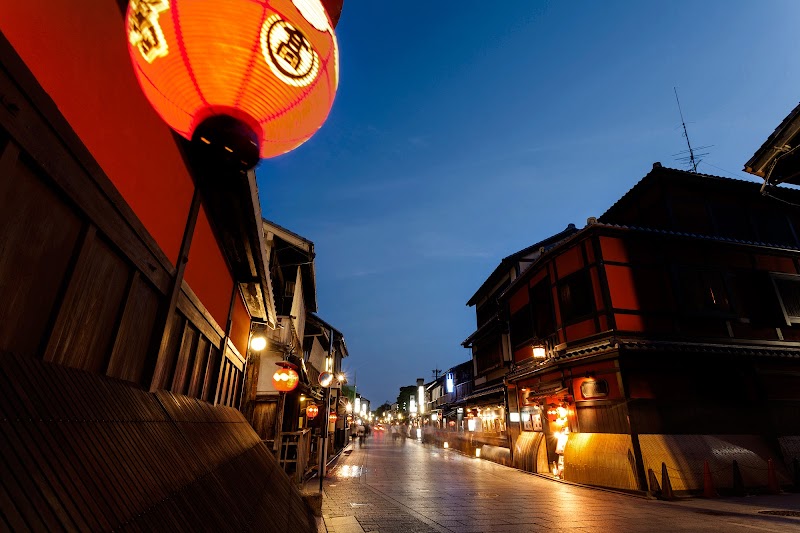
The Nishiki area opens outward into Kyoto's broader food geography. North of Nishiki, the Kawaramachi neighborhood is Kyoto's most diverse restaurant district: everything from Michelin-starred kaiseki to excellent ramen shops (Ippudo, Menya Inoichi), standing sushi bars, and the izakaya culture of Pontocho just one block east. Pontocho — the narrow alley running from Shijo Street to Sanjo Street between the Kamogawa River and Kawaramachi — is Kyoto's most famous restaurant lane: 100+ establishments in a 500-meter covered lane, from tourist-friendly teriyaki to genuinely serious kaiseki and the city's best natural wine bars.
The sake culture of Fushimi — Kyoto's southern brewing district, 20 minutes from the center — is an essential food traveler destination. Fushimi's soft underground water and historic brewing tradition (the neighborhood has produced sake since the 8th century) support around 40 active breweries, many with tasting rooms: Gekkeikan Okura Sake Museum (¥600 entry with tasting), Fushimi Sake no Machi (sake town walking route), and the monthly Saturday sake market around Fushimi Inari are all worth the KEIHAN train ride south from central Kyoto.