Skip to content

Kyoto — Traveler Guide

Best Hotels in Kyoto for Christmas 2026

Kyoto at Christmas offers one of the world's most distinctive holiday experiences — a Buddhist and Shinto city that greets December with its own winter rituals rather than Western Christmas traditions, yet does so with a beauty and ceremony that rivals any European festive season. The maple foliage season fades into illumination festivals (torinoko) that transform temple gardens into otherworldly light installations, the first snow dusts the temple rooftops and bamboo groves, and the year-end bonenkai (forget-the-year) parties fill Kyoto's izakayas and kaiseki restaurants with a festive warmth all their own.

Kyoto hotels Christmas Kyoto Christmas holiday hotels best hotels Kyoto December Kyoto New Year hotels 2026
Best Hotels in Kyoto for Christmas 2026

Quick Answer

The Best Hotels in Kyoto for Christmas 2026 at a Glance

Kyoto at Christmas offers one of the world's most distinctive holiday experiences — a Buddhist and Shinto city that greets December with its own winter rituals rather than Western Christmas traditions, yet does so with a beauty and ceremony that rivals any European festive season. The maple foliage season fades into illumination festivals (torinoko) that transform temple gardens into otherworldly light installations, the first snow dusts the temple rooftops and bamboo groves, and the year-end bonenkai (forget-the-year) parties fill Kyoto's izakayas and kaiseki restaurants with a festive warmth all their own.

  1. 1
    Hoshinoya Kyoto Arashiyama · $$$$ · ★ 9.6 Exceptional
  2. 2
    Suiran Luxury Collection Arashiyama · $$$$ · ★ 9.4 Superb
  3. 3
    Tawaraya Ryokan Nakagyo — Downtown · $$$$ · ★ 9.4 Superb
  4. 4
    Hotel The Celestine Kyoto Gion Gion · $$$ · ★ 9.2 Superb
  5. 5
    Hyatt Regency Kyoto Higashiyama — Sanjusangendo · $$$$ · ★ 9.2 Superb

6 hotels reviewed · Price range: $$$$, $$$ · Last updated March 2026

About This Guide

Kyoto's December atmosphere is shaped primarily by the Japanese year-end tradition of bonenkai — 'forget-the-year parties' that fill restaurants, izakayas, and bars throughout the month with large and animated groups celebrating the closing year. For visitors, this means the evening dining scene in Pontocho, Kawaramachi, and Gion is extraordinarily lively throughout December, with a festive social energy that compensates handsomely for the absence of reindeer and carol singers. The counter bars and standing izakayas of the city offer an intimate, warming antidote to the cold, with seasonal winter dishes (nabe hot pot, yudofu silken tofu, oden stew) and seasonal sake varieties appearing in December.

Kyoto's temple illumination festivals are the defining December visual experience. Kodai-ji Temple's momiji (maple) illumination typically runs through mid-December — the night illumination of the hillside temple garden in Higashiyama, with the reddened maple leaves lit from below against a black sky, is among the most visually extraordinary things Japan offers in any season. Fushimi Inari Taisha's thousand vermillion torii gates are illuminated at night throughout the year, but in December's cold clear air the effect is particularly dramatic. Tofuku-ji's Tsuten Bridge maple garden, Eikan-do, and Kifune Shrine are further notable December illumination sites.

Christmas Day (December 25) is not a public holiday in Japan and is treated primarily as a romantic occasion for couples — reminiscent of Valentine's Day rather than a family celebration. The commercial Christmas of illuminated shopping streets, limited-edition seasonal KFC (genuinely a Japanese Christmas tradition since 1974), and elaborate Christmas cake displays begins in November and peaks on December 24 (Christmas Eve, the actual romantic highlight). For Western visitors, this creates a pleasingly low-pressure holiday: major attractions are open, restaurants are not booked out with family gatherings, and the day can be spent at the Arashiyama bamboo grove or a temple complex in a state of relative calm.

New Year (Shōgatsu) — January 1–3 — is Japan's major winter holiday, when temples and shrines host hatsumode (first shrine visit) ceremonies that draw enormous crowds. For visitors staying over the New Year transition, the midnight bell-ringing (joya no kane) at temples across Kyoto on December 31 is one of Japan's most moving annual ceremonies — the great bell of Chion-in Temple (the largest temple bell in Japan, 74 tons) is struck 108 times from midnight to mark the clearing of human earthly desires. Crowds are massive but the experience is unforgettable.
Insider Tips

  • 1

    For the December 31 midnight bell ceremony at Chion-in — Kyoto's most powerful New Year's tradition — arrive by 10pm at the temple gate. The 108 bell strikes begin at midnight and draw tens of thousands of visitors; early positioning near the bell tower is essential to hear the full ceremony without being crushed by late arrivals.

  • 2

    The Kodai-ji Temple night illumination in Higashiyama (usually running until mid-December, ¥600 entry) is the finest December temple illumination in Kyoto — the hillside maple garden lit from below against a black December sky is one of Japan's most spectacular seasonal visual experiences. Arrive after 7pm when the daytime crowds have thinned.

  • 3

    Yudofu (simmered silken tofu in kombu broth) is Kyoto's defining winter dish — warm, gentle, and deeply nourishing after cold temple walks. The best yudofu restaurants are clustered around Nanzen-ji temple: Junsei (¥2,500–4,000 for a full course) and Okutan (Kyoto's oldest tofu restaurant, 1635, ¥3,500 course) are the most authentic.

  • 4

    The Arashiyama bamboo grove in early morning December, when frost edges the bamboo and the grove is silent before the tourist arrival, is one of Japan's most extraordinary sensory experiences — the light through frozen bamboo and the total stillness of the cold air is genuinely unforgettable. Arrive by 7am from a local hotel.

  • 5

    Japanese Christmas Eve (December 24) tradition includes eating KFC fried chicken — the campaign launched in 1974 has made KFC Kyoto a genuine December phenomenon, with advance orders required weeks ahead. Embrace the quirky tradition with the Shijo Kawaramachi branch's holiday set box (¥3,000–4,000) as an authentic piece of contemporary Japanese Christmas culture.

Our Picks

Best Hotels in Kyoto for Christmas 2026

6 hotels · Updated February 2026

Hoshinoya Kyoto — Arashiyama
$$$$ Ultra-luxury
★ 9.6 Exceptional

Hoshinoya Kyoto in winter, accessible by boat up the frost-edged Oi River, is one of Japan's most extraordinary seasonal hotel experiences. When the bamboo forest at Arashiyama is dusted with December frost or light snow, and the hot spring baths overlooking the river gorge send steam into cold winter air, the resort achieves a level of sensory completeness that no other Kyoto property approaches. The kitchen's winter kaiseki menu centers on seasonal root vegetables, yuzu citrus, and warm sake pairings. Book December weekends months in advance.

  • Riverside hot springs in winter
  • Snow-dusted bamboo views
  • Winter kaiseki
Check Availability
Suiran Luxury Collection — Arashiyama
$$$$ Ultra-luxury
★ 9.4 Superb

Suiran's Arashiyama position makes December particularly magical: the private outdoor onsen baths heated against winter air, the morning river views through bare winter maples, and the proximity to Tenryuji temple garden (beautiful in its winter starkness) combine to create a December experience of exceptional quality. The hotel hosts seasonal winter programming — New Year's Eve kaiseki dinner, hatsumode new year temple walk arrangements, yuzu-bath amenities in December — that makes it one of Kyoto's best organized winter stays.

  • New Year's Eve kaiseki
  • Outdoor onsen in winter
  • Tenryuji December garden
Check Availability
Tawaraya Ryokan — Nakagyo — Downtown
$$$$ Ultra-luxury
★ 9.4 Superb

Nakagyo — Downtown

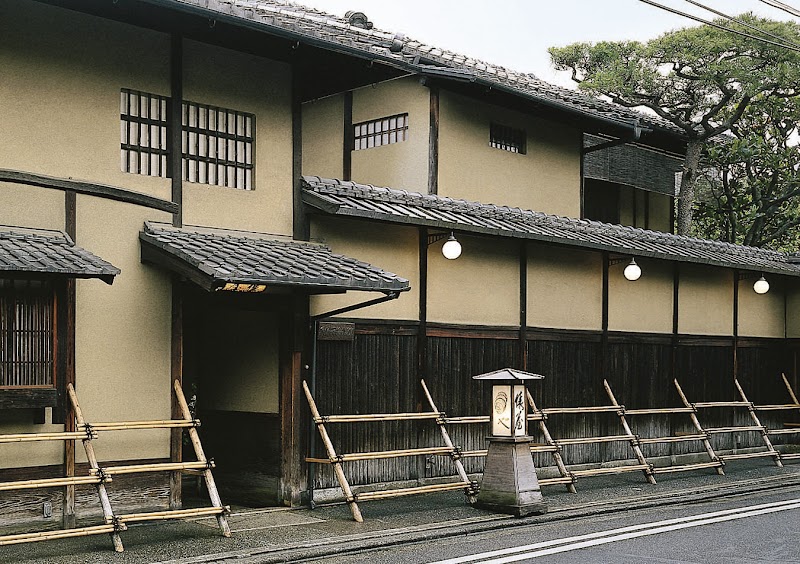
Tawaraya Ryokan

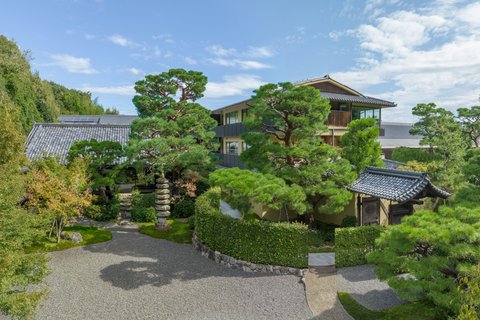
Spending December at Tawaraya — an 18th-century ryokan where winter has been honored with the same meticulous seasonal attentiveness for 300 years — is one of the finest cultural travel experiences Japan offers. The winter kaiseki dinner served in your tatami room features December-specific ingredients: turnip furofuki, botan nabe (wild boar hot pot), yuzu-dressed crab, and warming sake from Fushimi breweries. The garden viewed through the paper screen windows under winter skies is an image of Japan that lingers long after.

  • Winter kaiseki heritage
  • Seasonal tatami experience
  • Bonenkai-season atmosphere
Check Availability
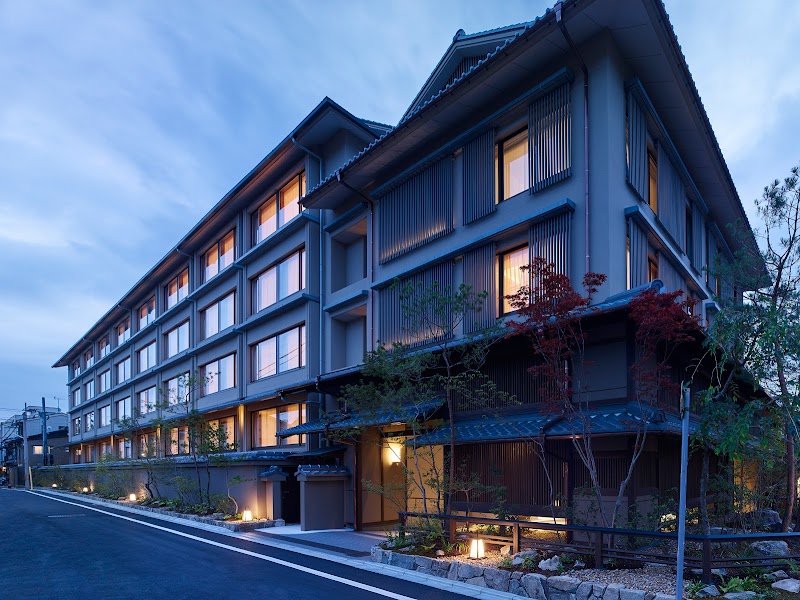
Hotel The Celestine Kyoto Gion — Gion
$$$ Upscale
★ 9.2 Superb

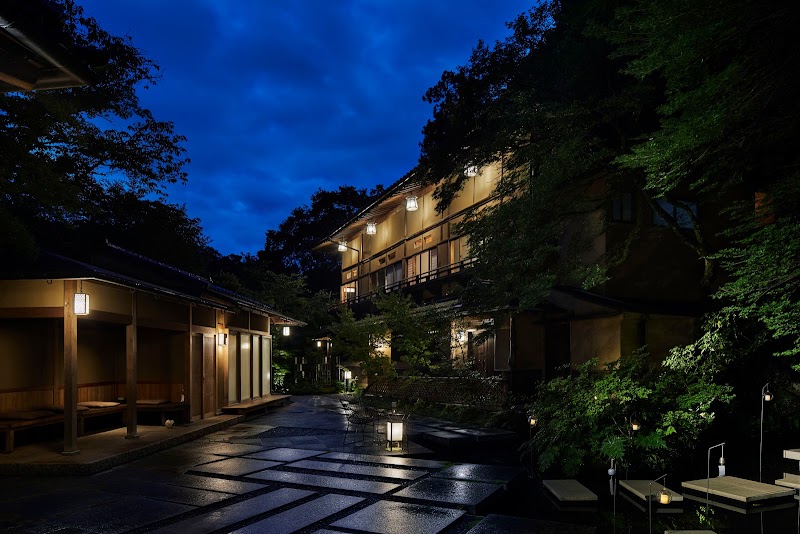
Hotel The Celestine is the ideal mid-range base for the December temple illumination circuit. Positioned in Gion, it puts you within 15 minutes' walk of both Kodai-ji's famous night illumination garden and the Higashiyama temple route, which is dramatically quieter in December evenings than in autumn peak season. The hotel's Japanese breakfast sets the day up perfectly for cold morning temple walks, and the surrounding Gion streets in December evenings — mist, lanterns, occasional maiko movement — create a winter atmosphere of extraordinary beauty.

  • Kodai-ji illumination access
  • Gion December evenings
  • Temple circuit base
Check Availability
Hyatt Regency Kyoto — Higashiyama — Sanjusangendo
$$$$ Ultra-luxury
★ 9.2 Superb

Higashiyama — Sanjusangendo

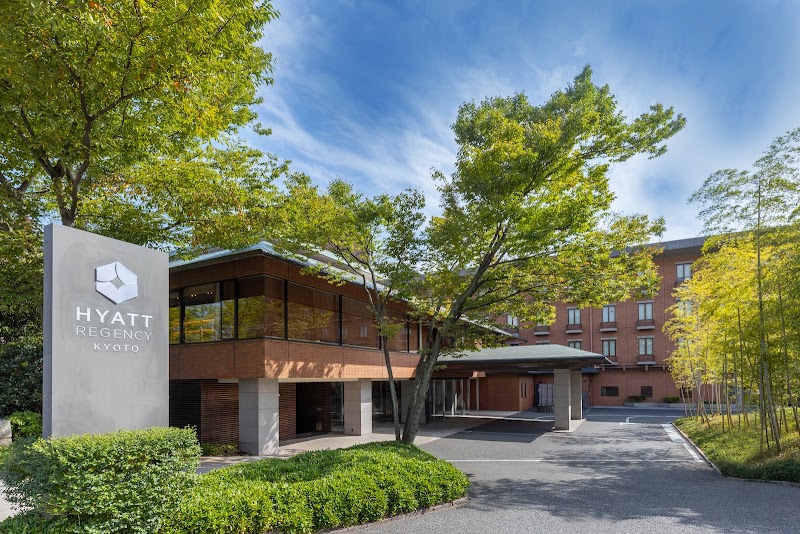
Hyatt Regency Kyoto

The Hyatt Regency Kyoto in Higashiyama is an exceptional December base: Sanjusangendo (the 1,001 Buddha hall, profoundly atmospheric in winter light) is adjacent, the Kiyomizudera temple illumination — one of December's most famous — is 20 minutes on foot, and the hotel hosts a Winter Solstice tea ceremony and New Year's countdown events each year. The Touzan Restaurant's winter menu featuring nabe hot pot and premium Japanese whisky selections by the stone fireplace makes this a particularly warming December evening property.

  • Kiyomizudera illumination access
  • Winter tea ceremony
  • New Year events
Check Availability
Sowaka — Gion — Yasaka
$$$$ Ultra-luxury
★ 9.3 Superb

Gion — Yasaka

Sowaka

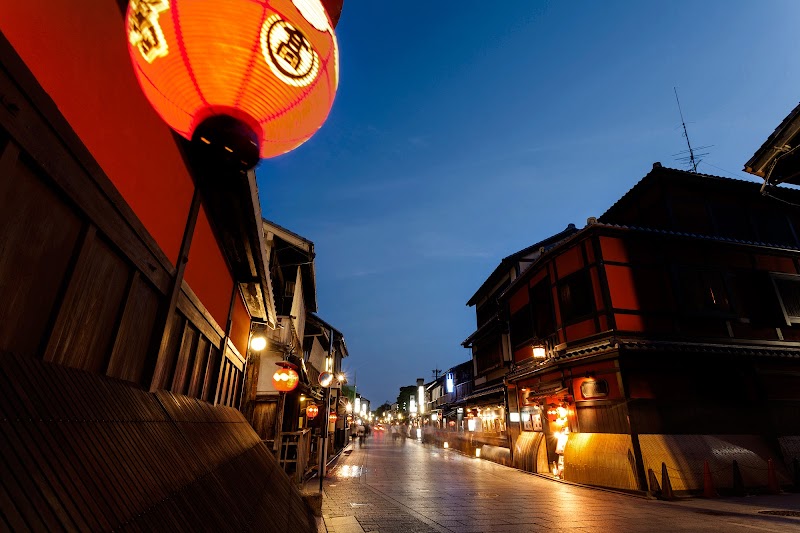
Sowaka in December is a Gion winter immersion of rare quality. The hotel sits within the geisha district at its most atmospheric season: the cedar-ball decorations hung outside sake breweries mark the new season's brewing, the ochaya (teahouses) glow with winter evening light, and the December bonenkai season fills the nearby Pontocho and Hanamikoji Streets with a festive social warmth. The hotel's yuzu-scented bathing amenities are seasonal, and the kitchen's December menu of warming Kyoto cuisine (obanzai vegetable dishes, yudofu, and sake hot toddy) is exceptional.

  • Gion bonenkai season
  • Seasonal yuzu amenities
  • Pontocho December dining
Check Availability

Common Questions

Frequently Asked Questions

Is Kyoto good to visit at Christmas?

Kyoto in December is excellent for visitors who want winter temple atmosphere without full peak-season crowds. The tail end of autumn foliage illuminations (typically running through mid-December) creates extraordinary night-time visual drama. Temperatures average 5–10°C, requiring warm clothing, but cold weather enhances the winter food experience — nabe hot pot, yudofu tofu cuisine, warming sake. Major attractions are open on December 25, which is not a Japanese public holiday.

Does Kyoto celebrate Christmas?

Kyoto marks Christmas with commercial celebrations (illuminated shopping streets, Christmas cake, and the famous Japanese KFC Christmas tradition) rather than religious observance. Christmas Eve (December 24) is treated as a romantic occasion for couples. The much bigger winter celebration is Ōmisoka (New Year's Eve) on December 31 and Shōgatsu (New Year's, January 1–3), when temple bells ring across the city and the first shrine visits draw enormous crowds.

What are the best Kyoto temple illuminations in December?

The major December illuminations are: Kodai-ji Temple (Higashiyama, typically until mid-December, evening lit maple garden), Tofuku-ji's Tsuten Bridge (autumn foliage illumination, usually early December), Eikan-do Temple (Nagamichi, maple season illumination), and Kifune Shrine in Kurama (year-round evening illumination). Fushimi Inari Taisha's torii gates are illuminated year-round and are particularly atmospheric in December cold. Check exact dates annually as illumination schedules vary slightly.

What is the New Year bell-ringing ceremony at Kyoto temples?

Joya no kane (除夜の鐘) is the Buddhist tradition of striking a temple bell 108 times on New Year's Eve to expel the 108 earthly desires that cause human suffering. In Kyoto, Chion-in Temple's joya no kane is the most famous — 17 monks swing the 74-ton bell (Japan's largest) from midnight on December 31. Tofuku-ji, Nanzen-ji, and dozens of neighborhood temples also hold the ceremony. Crowds are massive from 11pm; arrive by 10pm for good positioning.

What seasonal food should I eat in Kyoto in December?

December Kyoto food highlights: yudofu (silken tofu simmered in kombu broth, the definitive Kyoto winter dish, best at Junsei or Okutan near Nanzen-ji), nabe hot pot (available at virtually every izakaya), hamo (pike conger eel in winter preparations), kuri (chestnut) sweets at traditional confectionery shops, and seasonal sake with fresh nigori (cloudy) varieties appearing in winter. Nishiki Market stalls in December carry seasonal pickles and preserved foods ideal for winter grazing.

Ready to book Kyoto?

Prices and availability change daily. Lock in the best rate by booking early — most of our top picks offer free cancellation.

View All Kyoto Hotels