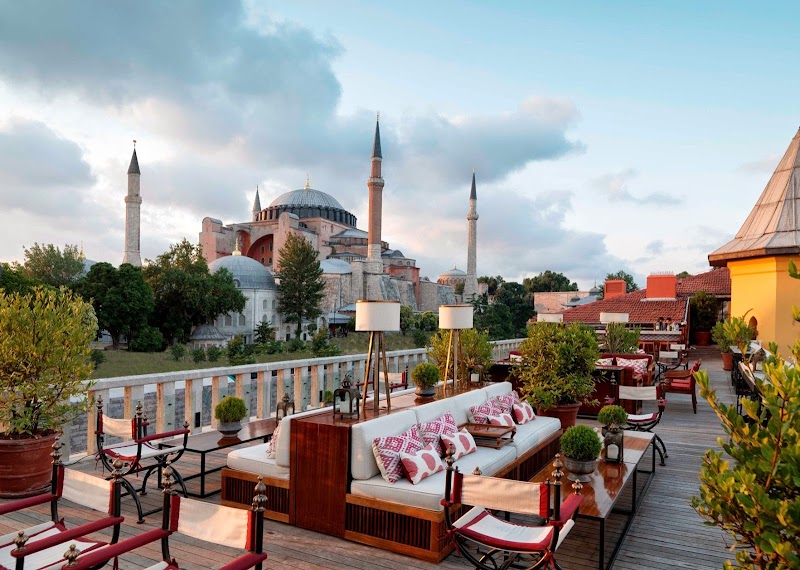
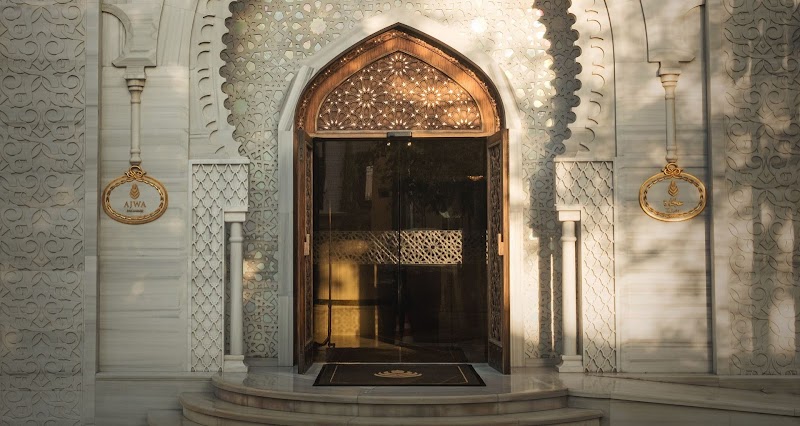
Sultanahmet, the historic peninsula that contains the vast majority of Istanbul's ancient monuments, is where the city's honeymoon story begins. Walking from the Blue Mosque to Hagia Sophia, past the Roman Hippodrome and through the Grand Bazaar's 4,000 shops, then down to the Byzantine sea walls above the Marmara, is a morning that compresses 2,500 years of history into three hours and leaves most visitors quietly overwhelmed. The boutique hotels in Sultanahmet — converted Ottoman mansions and Byzantine-era structures on cobblestoned lanes within sight of Hagia Sophia's dome — place honeymooners at the center of this world.
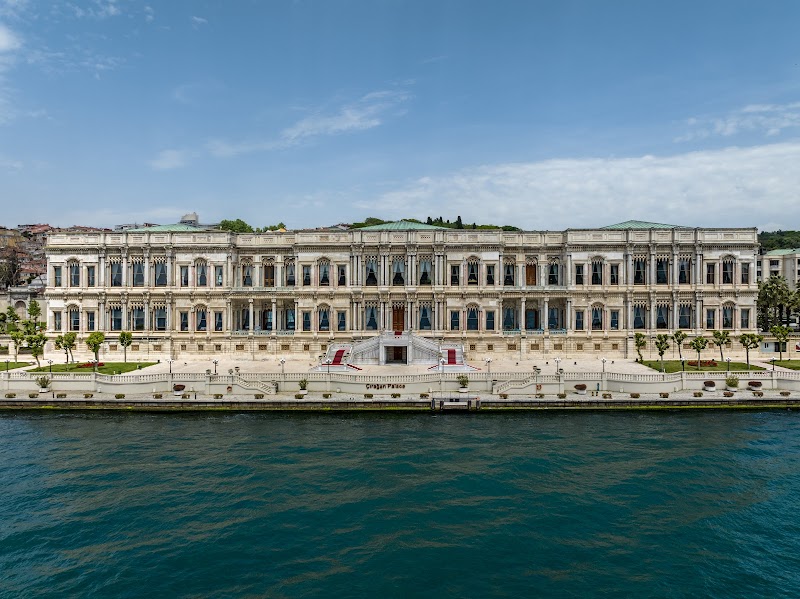
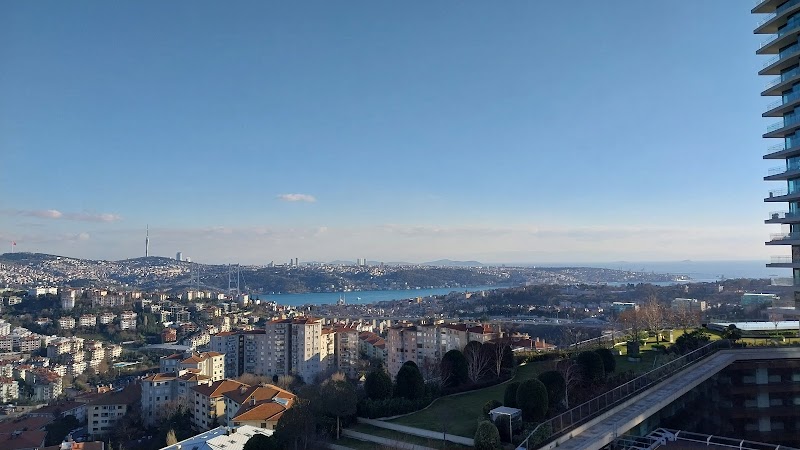
The Bosphorus shore — both the European and Asian banks — offers the most dramatically sited hotels in Istanbul. Çırağan Palace Kempinski, on the European shore north of Besiktas, was once the final palace of the Ottoman sultans and its position directly on the Bosphorus waterline, with Asia visible across the narrow strait, creates a setting of unique historical grandeur. The rooftop infinity pool above the palace gardens, looking north toward the bridges and south toward Sultanahmet's domed skyline, is among the most spectacular pool positions on earth.
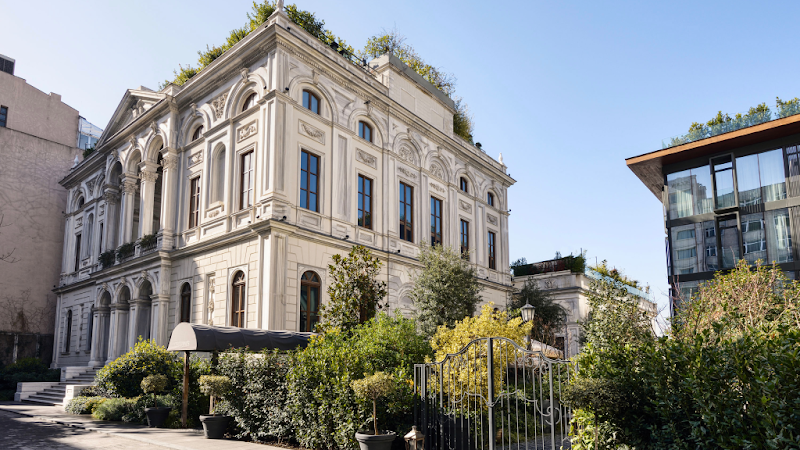
Beyoglu and Galata, the neighborhoods north of the Golden Horn, represent Istanbul's contemporary cultural and social core. The area around Istiklal Avenue, Galata Tower, and the Karaköy waterfront has the most dynamic restaurant and bar scene in the city — Karaköy Lokantası (a Turkish bistro institution), Mikla on the Marmara Hotel's rooftop (panoramic Bosphorus views, creative Anatolian-Nordic cuisine), and the craft cocktail bars of Asmalımescit serving Turkish raki with meze. Several excellent design hotels have opened here in the past decade, offering honeymoon experiences that feel more urban and contemporary than the Sultanahmet options.
A hamam visit is an essential Istanbul honeymoon experience, and the historical baths are extraordinary buildings in their own right. Çemberlitaş Hamamı, built by Mimar Sinan in 1584 (the same architect as Süleymaniye Mosque), has a domed marble chamber illuminated by star-shaped skylights that is one of the most beautiful interior spaces in Istanbul. The couples' private scrub and massage ritual, conducted in this 16th-century marble environment, is the kind of deeply cultural experience that stays in the memory long after the hotel views fade.
Istanbul's food culture is extraordinary and deeply suited to honeymoon exploration. The Kapalıçarşı (Grand Bazaar) and Mısır Çarşısı (Spice Market) provide the sensory abundance of centuries of trading culture, while the restaurant scene around Karaköy, Galata, and Beyoglu has matured into a genuine destination — with chefs like Mehmet Gürs at Mikla and Civan Er at Yeni Lokanta bringing serious culinary ambition to Anatolian ingredients.