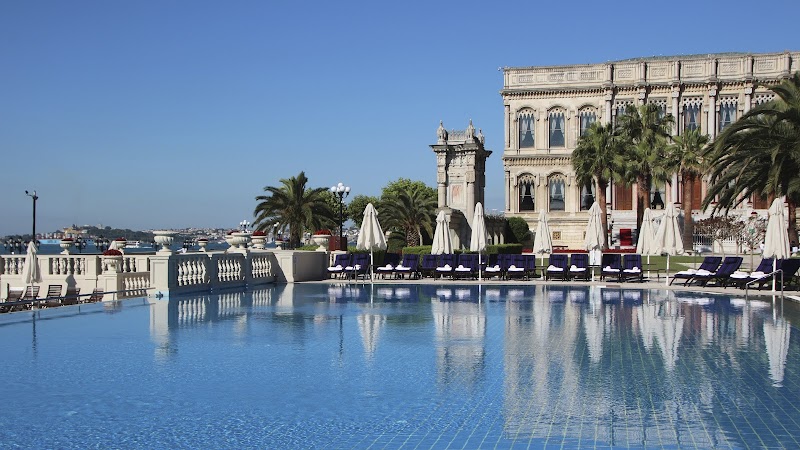
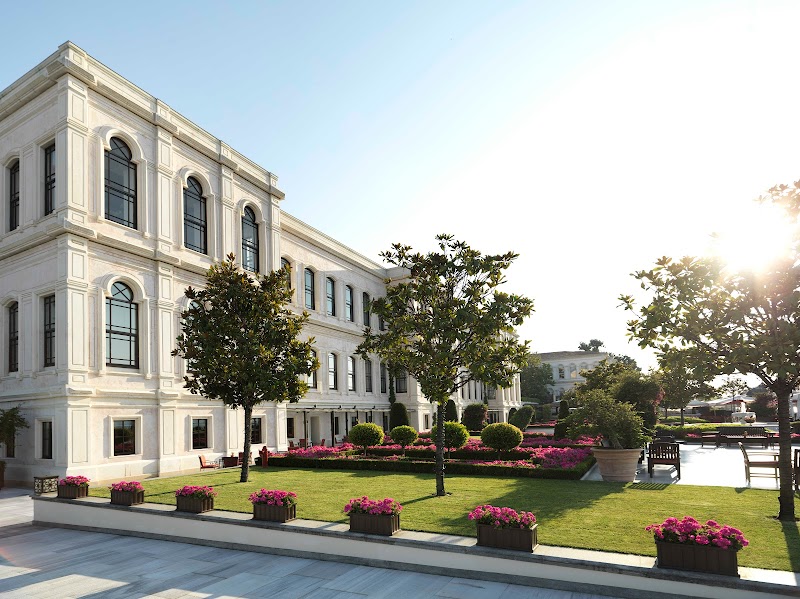
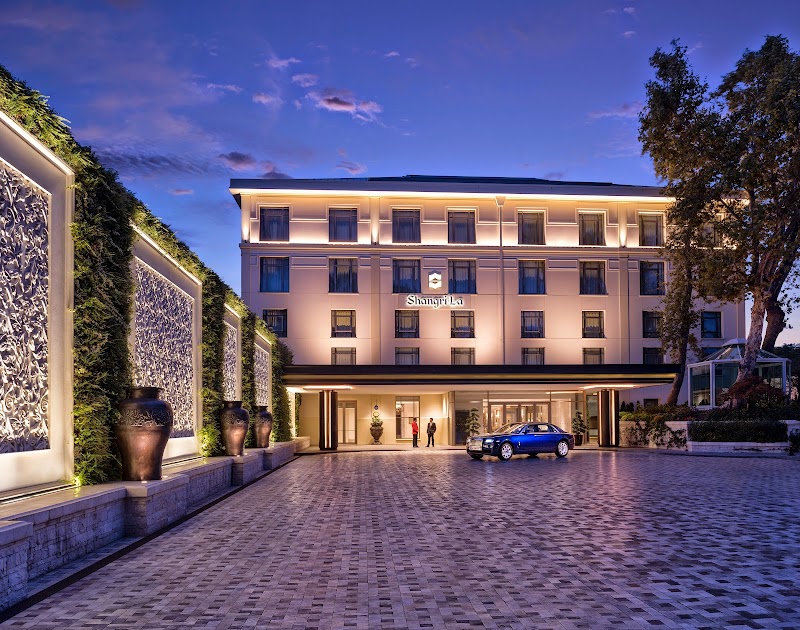
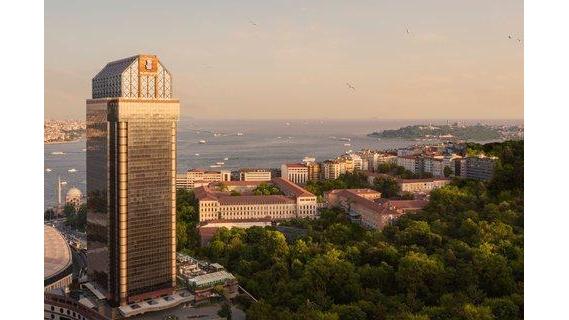
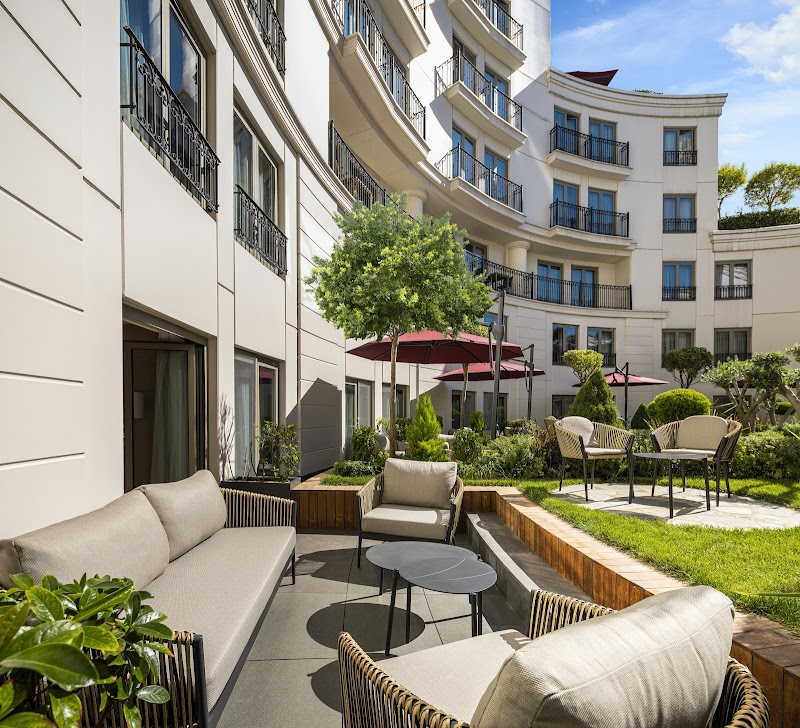
Beşiktaş has a complicated dual identity. On one level, it is Istanbul's premier Bosphorus luxury hotel district — the Çırağan Palace, Four Seasons, Shangri-La, and Ritz-Carlton all occupy its waterfront or immediate hinterland. On another, it is one of the city's most intensely local neighbourhoods — a fishing village that grew into a market town, where the fish market at the Beşiktaş iskele is operational at 6am, the tea houses open at the same hour, and the football culture of the black-and-white Kartal (eagle) dominates the neighbourhood's emotional life.
This duality makes Beşiktaş uniquely interesting as a base. You can stay in a Bosphorus palace hotel and wake up to the sounds of a neighbourhood that is completely indifferent to luxury tourism — the fish sellers, the simit vendors, the ferry commuters all going about the rhythms of Istanbul life that exist alongside but completely separately from the hotel world.
The Çırağan Palace and Dolmabahçe Palace (the last official residence of Ottoman sultans, now a museum) sit at the heart of the district — extraordinary examples of 19th-century Ottoman imperial architecture that are open to visitors and provide context for the neighbourhood's historical significance. The Yıldız Park, behind the Çırağan, is one of Istanbul's finest green spaces: a forested hillside that was the private hunting ground of Sultan Abdülhamid II, now open to the public.
For dining, Beşiktaş has excellent options beyond the hotel restaurants. The fish restaurants near the iskele (ferry landing) are genuine neighbourhood institutions, the meyhane on Barbaros Bulvarı serve traditional meze and raki culture, and the Arnavutköy village north of the main district has some of Istanbul's finest waterfront fish restaurants in a preserved Ottoman village setting.