Florence divides neatly into two food worlds separated by the Arno. The north bank — the Centro Storico and San Lorenzo — is market country. The Mercato Centrale, housed in a stunning 19th-century iron-and-glass structure on Via dell'Ariento, occupies two floors: the ground level is a working food market where Florentine housewives buy tripe and dried porcini; the upper level is a curated food hall with excellent lampredotto (offal sandwich) stands, fresh pasta, and wine bars. Sant'Ambrogio market, just east of Santa Croce, is smaller, more neighborhood-oriented, and frankly more authentic — a local butcher, a cheese lady, an old man with a trolley of seasonal vegetables.
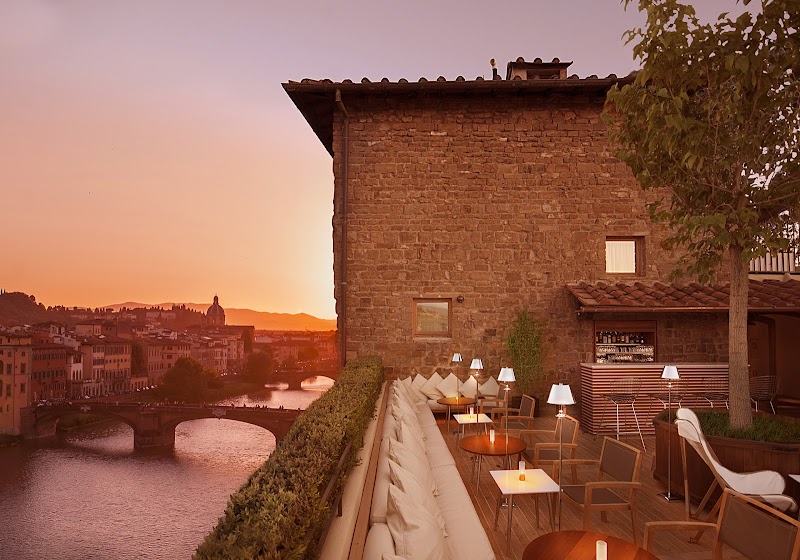
The Oltrarno, on the river's south bank, is Florence's intellectual and culinary soul. The neighborhood around Piazza Santo Spirito and Via Maggio is where you'll find trattorias that have been feeding the same families for three generations — Il Latini, Buca Mario, and the legendary Buca dell'Orafo near Ponte Vecchio. More recently, the streets around the Pitti Palace have developed a quieter, chef-driven dining scene: Buca Mario Bistrot, Gurdulù, and Il Santo Bevitore have brought international technique to Florentine ingredients without losing any authenticity.
Bistecca alla Fiorentina — the monumental T-bone cut from Chianina cattle, grilled over oak embers and served bloody at the bone — is the city's defining dish. The best versions come from Buca Mario, Buca dell'Orafo, and Trattoria Sostanza, where the tablecloths are paper and the wine arrives in a carafe. The ritual of ordering it — specifying the weight in grams, refusing to accept it any more cooked than rosy — is one of Florence's great participatory theatre experiences.
Florence's wine culture runs equally deep. The hills begin almost immediately outside the city: drive 20 minutes south and you're in the Chianti Classico heartland, where estates like Antinori, Badia a Coltibuono, and Castello di Fonterutoli have been making wine since the Renaissance. The city's best wine bars — Enoteca Pitti Gola e Cantina on Piazza Pitti, Coquinarius near the Duomo — carry extraordinary Brunello, Morellino, and Super Tuscans by the glass.
For serious food travelers, timing a visit around the annual Pitti Taste festival (March) or the autumn truffle season (October–November) elevates an already exceptional food experience. White truffle from San Miniato — a town 40km west of Florence — is shaved onto pasta and eggs at restaurants across the city during the late-autumn weeks, and the perfume fills the air in a way that stays with you for years.